Japan opens door to weapons exports, easing pressure on US supply chains
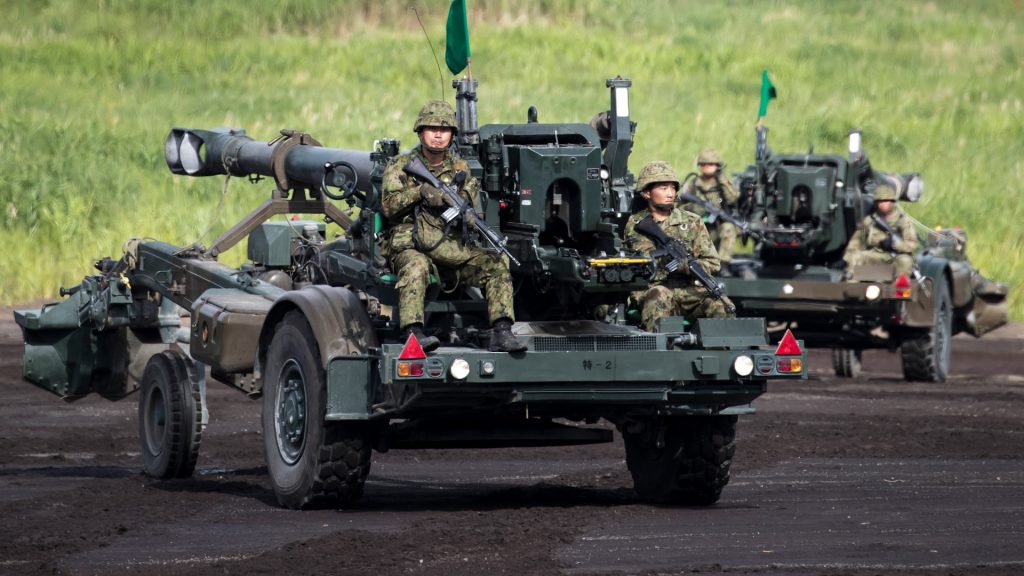
Japan lifted a postwar restriction, allowing it to export lethal weapons to 17 countries with existing defense and technology agreements. The move marks one of the country’s most significant defense policy shifts in decades.
Prime Minister Sanae Takaichi said the shift reflects a more challenging security environment, arguing that no country can ensure its safety on its own.
Why the shift matters to Japan and the US
For the United States, the impact extends beyond Japan’s break from its pacifist past.
The change could eventually ease pressure on allied weapons production, including U.S. supply chains that have been stretched by support for Ukraine, Israel and broader defense commitments.

Japan has already begun moving in that direction. In 2023, Tokyo approved the transfer of advanced air defense systems to the U.S., allowing Washington to replenish its own stockpiles while continuing to supply military aid to Ukraine.
Japanese officials say the broader policy shift is aimed at deepening defense cooperation and strengthening deterrence in a region shaped by pressure from China and North Korea.
How the new rules work
Japan’s National Security Council will review lethal export requests on a case-by-case basis.
Sales will be limited to countries with existing defense agreements, and exports to nations actively engaged in conflict will generally remain barred — though the government left room for exceptions tied to national security.
The new rules also expand Japan’s role in joint defense production. With Cabinet approval, Tokyo can export weapons developed through international partnerships to third countries.

That opens the door to future exports tied to a next-generation fighter jet program with the U.K. and Italy. Japan has also finalized an agreement to provide Mogami-class frigates to Australia, with deliveries set to begin in 2029.
Why Tokyo is moving now
The immediate impact is likely to be limited. Expanding production capacity takes time.
Over the longer term, though, the change could widen the pool of available suppliers and help support allied inventories.
Tokyo officials are also looking to strengthen the country’s own defense industry and expand its network of security partners as global alliances shift. China has criticized the move, accusing Japan of moving toward remilitarization and warning it could increase regional tensions.
What happens next
Japanese leaders plan to further define the export framework later this year when they overhaul the country’s broader national security strategy.
Officials also say they will tighten post-export monitoring, including possible on-site inspections of how export weapons are used.
The next phase will depend on how quickly Japan can translate the policy shift into production, exports, and joint programs while managing the diplomatic fallout already building across the region.
Round out your reading
- Work for food: New SNAP rules reshaping who gets to eat.
- How Iranians actually feel about regime change and war.
- Feds warn that Russians may hack your internet router. Why?
- The truth behind a medical condition that never existed.
- We’re building a new Straight Arrow. Help us shape our future by taking our survey.
Ella Rae Greene, Editor In Chief