Why most Europeans no longer view US as an ally
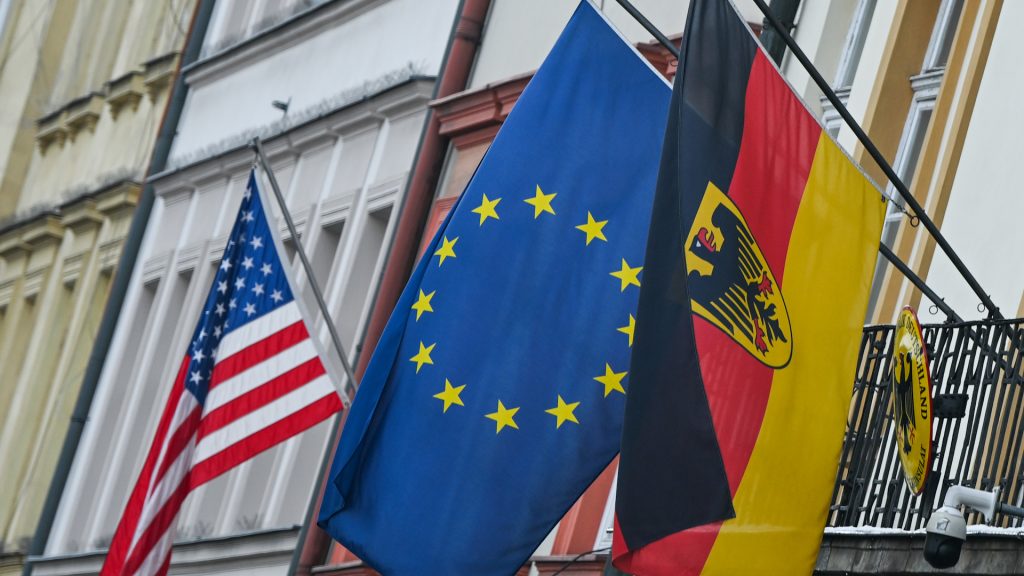
A new European Council on Foreign Relations (EFCR) poll found broad support in Europe for taking on more of the continent’s own defense burden, even as most respondents said relations with the U.S. would likely improve after President Donald Trump leaves office.
The June policy brief said only 11% of respondents now view the U.S. as Europe’s ally, down from 16% half a year earlier and 22% in November 2024. ECFR said 25% see the U.S. as either a rival or an adversary, while about half view it as a “necessary partner.”
Why the poll matters for NATO
The findings come as European officials are already exploring how NATO could function if the U.S. reduces its role, as Trump has repeatedly threatened.
Straight Arrow previously reported that European leaders have been weighing informal fallback plans to place more of NATO’s day-to-day burden on European governments. The talks picked up as European leaders grew less certain about Washington’s role.
The ECFR poll suggests voters may give leaders room to move in that direction. The survey showed voters generally favor a more Europe-centered defense posture, including higher defense spending and greater European procurement. Support softens, however, when those goals are weighed against other public spending priorities.
What Europeans said about US security guarantees
ECFR said its poll included 19,481 respondents in 15 European countries and was conducted in May.
The report found majorities in each who believe the U.S. would not defend them if they were attacked. Most respondents in nearly every surveyed country, with Bulgaria the exception, said they trusted other European countries to help if they were attacked.
Europeans were split on a Europe-only defense structure, according to ECFR. Twenty-nine percent favored replacing NATO with a European-only defense organization, while 28% opposed it.
Straight Arrow previously reported that German Defense Minister Boris Pistorius called NATO “irreplaceable,” but said Europe must take more responsibility for its defense. “NATO must become more European in order to remain trans-Atlantic,” Pistorius said, according to the earlier report.
Where European support has limits
The poll also found limits to how far Europeans want leaders to go in Ukraine.
ECFR said views of Ukraine remain broadly positive, with majorities in most countries describing it as either an ally or a necessary partner. However, a majority opposed sending troops to Ukraine after it reached a peace deal with Russia, and there was no broad public consensus for bringing Ukraine into the EU under current conditions.
Energy is another area where voters appear more decisive. ECFR said support for resuming Russian oil and gas purchases remains limited, despite pressure from higher energy costs. The report found majorities in nearly every surveyed country favored putting renewables and other clean-energy sectors first.
The narrow path for European leaders
The findings leave European leaders with competing pressures: voters want Europe to do more for its own defense without abandoning the U.S. relationship, to keep backing Ukraine while avoiding open-ended commitments, and to strengthen energy security without reopening dependence on Russian fossil fuels.
Straight Arrow previously reported that many European leaders at the Munich Security Conference earlier this year described Trump’s presidency as a wake-up call for Europe. German Chancellor Friedrich Merz said there that the rules-based order “no longer exists” and warned, “Our freedom is not guaranteed.”
Round out your reading
- People are overdosing on GLP-1 injections. What does that look like?
- Researchers put chatbots in a simulation. Grok ended the world in 4 days.
- Fearing more e-bike injuries, Illinois looks to become 10th state to mandate registration, insurance.
- Why are young professionals facing such a tough job market? Hint: It’s not just AI.
- We’re building a new Straight Arrow. Help us shape our future by taking our survey.
Ella Rae Greene, Editor In Chief