The US military has a plan to restart Iran negotiations: More bombs
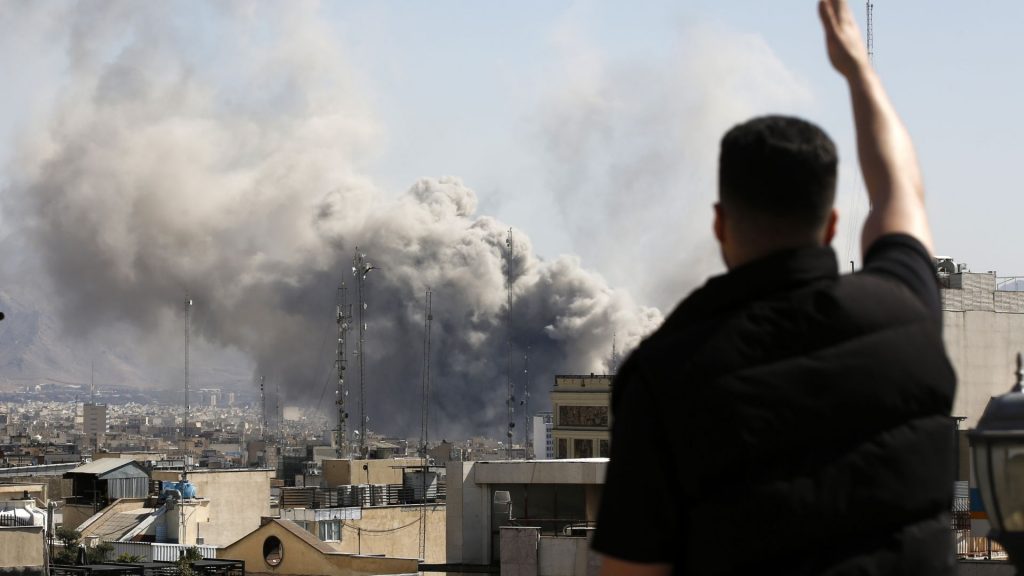
The U.S. naval blockade on the Strait of Hormuz will continue as the Trump administration’s negotiations with Iran remain at a standstill. Neither side has been able to reach an agreement since the middle of April, when talks fell apart in Pakistan.
Iran had proposed that the U.S. lift its blockade and push back nuclear negotiations to a later date, but President Donald Trump rejected the offer, Axios reports. Instead, he plans to continue his blockade, saying it’s working.
“The blockade is somewhat more effective than the bombing,” Trump told Axios. They are choking like a stuffed pig. And it is going to be worse for them. They can’t have a nuclear weapon.”
Could fighting restart?
If Trump’s strategy of an extended blockade fails to get him the results he’s looking for, he does have a backup plan — more airstrikes.
U.S. Central Command has planned a “short and powerful” series of strikes, according to sources Axios spoke to. The strikes would likely include infrastructure targets, which Trump had planned to do before the ceasefire took effect earlier this month.
Trump told the publication that Iran wants to make a deal with the U.S., but he doesn’t want to ease the pressure from the blockade.
“They want to settle. They don’t want me to keep the blockade. I don’t want to [lift the blockade], because I don’t want them to have a nuclear weapon,” he said.
Iranian officials didn’t seem as eager as Trump let on, with the English-language Iranian state media, PRESS TV, quoting a senior security official as saying the U.S. blockade “will soon be met with practical and unprecedented action.” They also said the Iranian military had previously shown restraint to see if they could work out a deal. But the official said that they “believe that patience has limits and that a punishing response is necessary” if Trump continues with his blockade.
How has the market reacted?
Over the past day, crude oil futures have risen by nearly $10, and Brent crude is just below $120 a barrel. At the beginning of the war, many economists predicted that prices would need to hit $140 for two months to spark a “mild” recession.
Consumer gas prices have steadily risen since the war in Iran began just over two months ago. The current national average for a gallon of regular gas is $4.23. This time last year, gas was more than a dollar less.
One fuel type rising even faster than oil is jet fuel. The global average for a barrel of jet fuel at the end of last week was $179. Experts said that even if the war and blockade ended tomorrow, fuel disruptions could keep prices elevated for months. Some airlines have faced hard times and could shut down, like Spirit Airlines. Trump has floated the idea of a bailout for the company, just two years after the government ruled that Spirit could not proceed with its merger with JetBlue.
Ella Rae Greene, Editor In Chief