South Carolina sued for treating tattoo parlors like strip clubs and pot shops
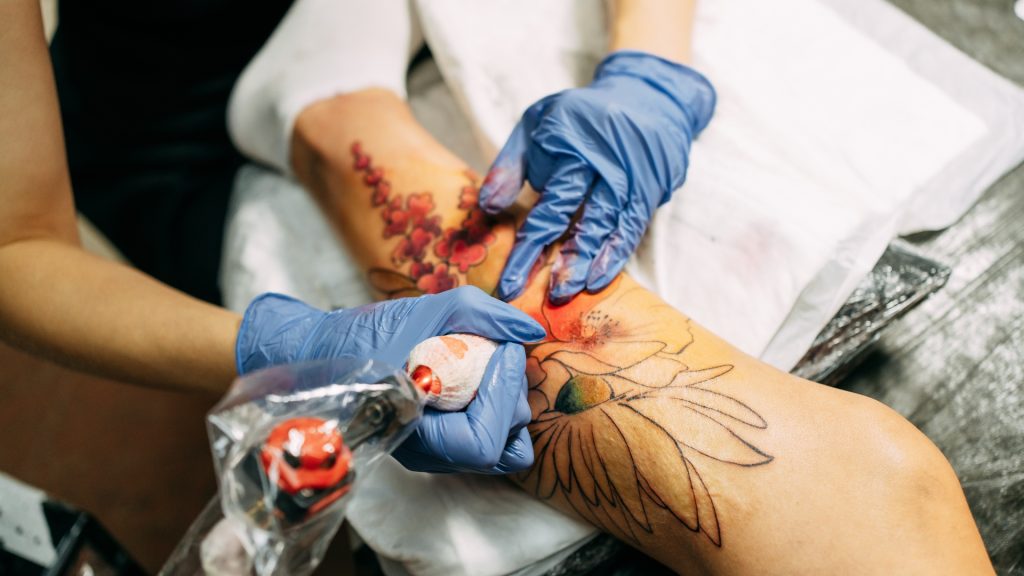
It’s common for businesses that dabble in adult entertainment, alcohol and cannabis to be forbidden from locating no closer than 1,000 feet from schools, churches or other places deemed sensitive areas. South Carolina decided tattoo parlors should join in on that restriction and is now getting sued over it.
Two South Carolina residents and a New York-based company filed suit on Friday in federal court against state Public Health Director Brannon Traxler and Attorney General Alan Wilson, alleging the state’s restrictions on tattoo parlors violate the First Amendment’s right to freedom of expression.
The Palmetto State had previously banned tattoo parlors until legalizing them in 2004. Still, the state allowed local governments to set restrictions on where they could locate. Current state law forbids a business license for a parlor if it’s within 1,000 feet of a church, school or playground.
Tiny Zaps operates studios but also offers pop-up locations in well-traveled commercial spaces. South Carolina’s 1,000-foot buffer restriction, the lawsuit said, effectively bans the company from operating in its plan to expand into Charleston. The company said in the complaint that it had already found a South Carolina-based tattoo artist who wanted to participate in its business.
Tiny Zaps planned to serve people like Josh and Stephanie McDonald, a couple from Fountain Inn, South Carolina, who joined the suit as plaintiffs. The lawsuit says the couple both have multiple tattoos and would “obtain additional tattoos, including tattoos on the head, face, or neck, from Tiny Zaps or other willing tattoo artists,” if the state allowed it.

Edgar Barragan Juarez/Getty Images
The trio is represented by the nonprofit Pacific Legal Foundation.
“Tattooing is protected expression under the First Amendment, and South Carolina cannot treat tattooing as second-class expression based on stigma or discomfort,” said attorney Dean McGee in a Friday news release. “Tiny Zaps and its willing customers deserve the freedom to create and receive lawful art without unconstitutional barriers.”
The lawsuit also targets a law barring head and neck tattoos. PLF said the restrictions on locations where a tattooist can apply their trade do not make the practice safer, but rather reflect a local distaste for it.
Round out your reading
- With more prison space than prisoners, correctional facilities are shutting down.
- ‘Game changer’: New cancer treatment turns major surgery into an outpatient procedure.
- Viewers overwhelmingly support ‘The View’s’ fight against the FCC. Will that matter?
- Why an ICE shooting in Houston isn’t leading to mass protests.
- Milwaukee detective is the latest officer charged with misusing Flock cameras.
Ella Rae Greene, Editor In Chief