Pope doubles down on AI with warnings on human dignity, identity and society
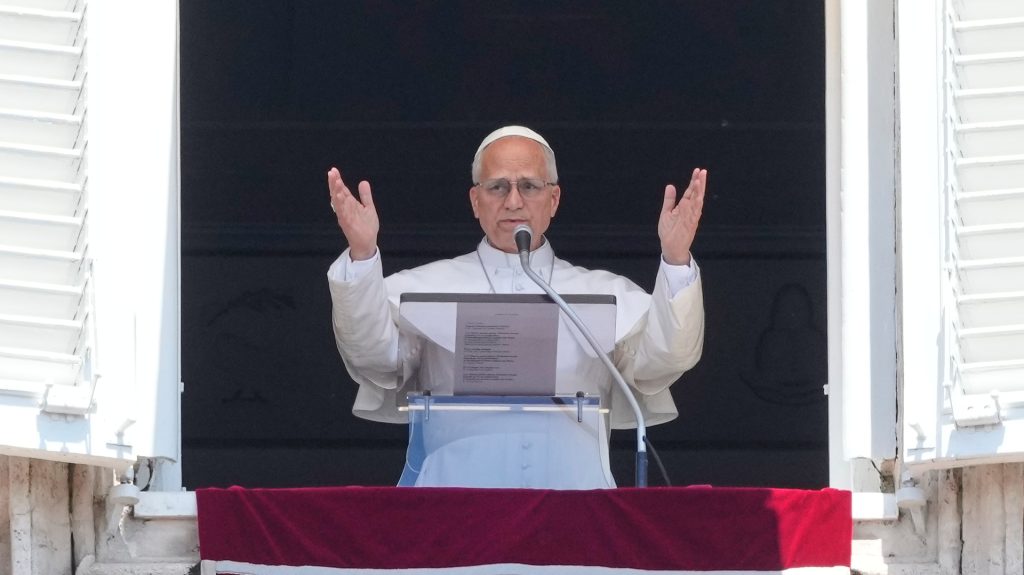
Pope Leo XIV doubled down on concerns he has about the social and cultural effects of increasing reliance on artificial intelligence.
In a series of social media posts and public addresses over the weekend, the pope addressed what he described as challenges to human identity and dignity in contemporary society. The comments fall in line with his first encyclical,“Magnifica Humanitas” (“The Greatness of Humanity”).
The pontiff referred to pressures experienced by young people in competitive environments shaped by expectations to perform and succeed, saying such conditions can contribute to anxiety and uncertainty.
He also commented on the role of digital technology, stating that increased connectivity does not necessarily address deeper human needs. He said that people may remain “disconnected from themselves, others and their own interiority” despite being linked through digital networks.
The encyclical, issued on May 15, focuses on the position of the human person in a society increasingly influenced by artificial intelligence and digital systems.
In his remarks, Leo described differences between human experience and artificial intelligence, noting that machines do not have emotions, physical experiences, or moral judgment. He stated that while such systems can simulate outputs, they do not possess the relational or experiential perspective associated with human understanding.
The pope characterized current developments as raising broader questions about human identity, indicating that the challenge is not only technological but also related to how society understands the human person.
There was also significance in releasing the document on May 15. The date marked the anniversary of “Rerum novarum,” an 1891 encyclical addressing social and economic issues during the Industrial Revolution.
Religious experts tell Straight Arrow the current debate includes questions about how technological systems affect traditional understandings of human creativity and responsibility, particularly as such systems can replicate certain forms of intellectual and creative work.
Round out your reading
- Tennessee officials will pay $835,000 for jailing man over Charlie Kirk meme.
- Why the immune system turns on women more often than men.
- More than 340 newspapers block the Wayback Machine. What that means for the future of the internet.
- Why Rep. Cohen filed articles of impeachment against Supreme Court Justice John Roberts.
- We’re building a new Straight Arrow. Help us shape our future by taking our survey.
Ella Rae Greene, Editor In Chief