Killers can’t inherit from victims, but Reiner’s case shows the accused can still try to tap the money
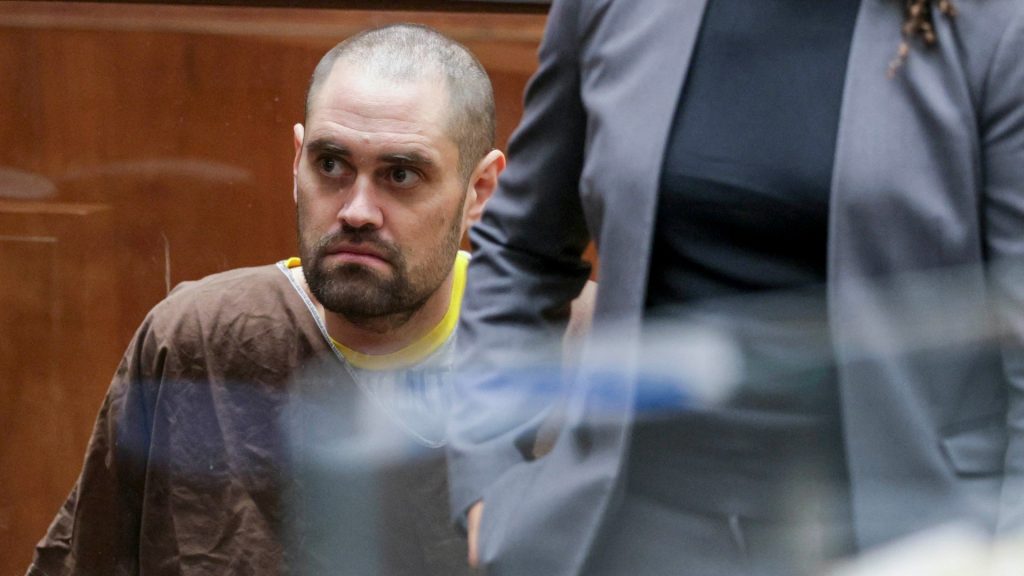
Nick Reiner, accused of killing his famous parents last year, wants to use money from a trust they established for him to pay for his legal defense.
Attorneys for Reiner — who faces two counts of murder for allegedly killing his parents, movie director Rob Reiner and photographer and film producer Michele Reiner, in their Los Angeles home in December 2025 — filed a petition to access a personal trust the parents established for their son in 1993.
According to CNN, Nick Reiner has attempted to access the funds for his defense in the months since his arrest. But his lawyers said in court documents that the trustee overseeing the account has given “a shifting series of excuses and justifications” as to why he can’t have access.
“Nick loved his parents, and he is devastated by their deaths,” the petition says. “But the facts about what did and did not happen to them are not at issue in this Trust litigation. Like anyone accused of a crime, Nick is presumed innocent, and he is entitled to mount his defense with the resources that are lawfully his own.”

The civil petition, while filed separately from Reiner’s criminal case investigation, raises a key legal question: Can someone accused of a crime defend himself with money he receives from the victims of the same crime?
Slayer rule
There actually are numerous laws in place that apply to similar situations.
First, there’s the slayer rule. According to Cornell Law School, it prevents murderers, or slayers, from retaining property interest in their victim’s estate. It was essentially designed to prevent people from committing murder to receive an inheritance.
However, things get a little inconclusive when the accused slayer hasn’t gone to trial yet, as in the Reiner case, or if the trial ends with an acquittal.
Further, if Reiner were found guilty of a lesser offense, like manslaughter, the slayer rule may not apply. Attorneys could then argue the killing was unintentional, or to claim Reiner was mentally ill or under the influence, diminishing his culpability.
Even if Reiner is acquitted or convicted of a lesser charge, the probate court administering his parents’ trust could separately find the killing was intentional and felonious — preventing him from profiting off the trust.
Other profit-preventing laws
Although they may not apply in Reiner’s case, so-called Son of Sam laws also prevent criminals from making money off their crimes.
Named for an infamous serial killer who terrorized New York City in the mid-1970s, Son of Sam laws allow state governments to seize any money a convicted person earns from book deals, movie rights, paid interviews or selling memorabilia. The first of those laws was enacted after the Son of Sam killer, David Berkowitz, received lucrative offers to sell the rights to his story.
These laws often redirect any proceeds into compensation funds for victims’ families.
Most recently, Son of Sam laws applied in the Utah case against Kouri Richins, a Park City real estate agent who killed her husband and then wrote a children’s book about grief.

Richins, who was convicted and sentenced to life in prison without the possibility of parole in 2026, cannot profit from the book she published. Any money it earns will go to her late husband’s family.
In an even more high-profile case, the Menendez brothers weren’t allowed to make money off Netflix’s series “Monsters: The Lyle and Erik Menendez Story.”
Round out your reading
- People are overdosing on GLP-1 injections. What does that look like?
- Researchers put chatbots in a simulation. Grok ended the world in 4 days.
- Fearing more e-bike injuries, Illinois looks to become 10th state to mandate registration, insurance.
- Why are young professionals facing such a tough job market? Hint: It’s not just AI.
- We’re building a new Straight Arrow. Help us shape our future by taking our survey.
Ella Rae Greene, Editor In Chief