Going out for Fourth of July festivities? Bring the bug spray, says the CDC
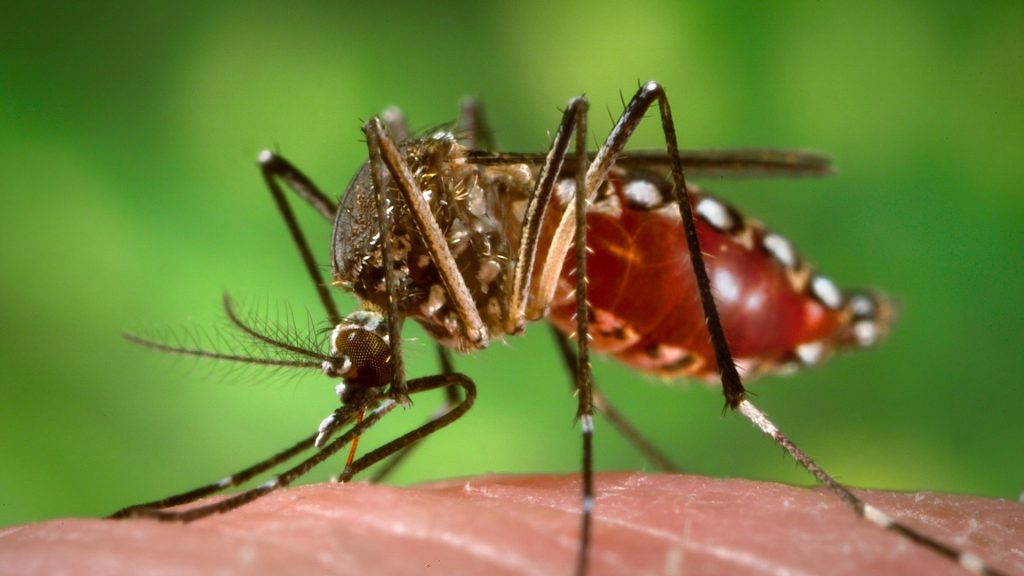
Whether you’re going outside to grill, see fireworks, or cheer at a parade this Fourth of July, remember to watch out for mosquitoes.
The Centers for Disease Control and Prevention this week said it’s seeing the earliest start to the West Nile virus season in the United States — along with the highest number of human cases since 2004.
As of Tuesday, the last time the CDC’s data was updated, the agency reported 48 total cases. Usually, an average of 10 human disease cases are reported to the CDC by the end of June.
A total of 12 states have reported cases so far this year. Arizona has seen the most with 32.
“These findings serve as an important reminder that mosquito season is well underway,” CDC Medical Epidemiologist Dr. Erin Staples said in a statement. “As families gather outdoors to celebrate Independence Day, we encourage everyone to enjoy their holiday while taking simple steps to protect themselves and their loved ones from mosquito bites.”
These steps include: using an insect repellent; wearing long, loose-fitting clothing; not being outside between dusk and dawn; and using screens on window and doors, as well as air conditioning, to keep mosquitoes outside.
What is West Nile virus?
According to the CDC, West Nile virus is most commonly spread through mosquito bites, which is why it’s not surprising that people are most often infected during mosquito season, which typically lasts June through October.
About 2,000 people are usually infected with the disease every year, though the CDC notes that this number could be an underestimate because most people don’t develop symptoms.
Symptoms for mild illness include fever with headache or body aches; joint pain, vomiting, diarrhea, or a rash. Although most people with mild illness recover, the CDC cautions that fatigue and weakness can last for weeks or months.
More severe illnesses have symptoms such as high fever, headache, neck stiffness, stupor, disorientation and muscle weakness, the CDC said, and some people’s central nervous system or illnesses can lead to hospitalization or even death.
The CDC says state and local health departments are continuing to monitor mosquito populations and implement control measures.
“CDC is working closely with public health partners nationwide to monitor disease activity and provide guidance to help communities reduce the risk of infection,” the agency said.
Round out your reading
- America at 250: Straight Arrow’s week-long look at the pressures testing modern America.
- Ketamine is booming in America. The reasons go beyond drugs.
- Cluster of AI news sites suddenly goes dark after human reporter starts asking questions.
- A 79-year-old, obese, well-connected man gained exclusive access to a new weight loss drug. Is it Trump?
- Newsom pushes national wealth tax after opposing California billionaire tax.
Ella Rae Greene, Editor In Chief