Scientists are now eyeing a possible ‘Mega El Niño’
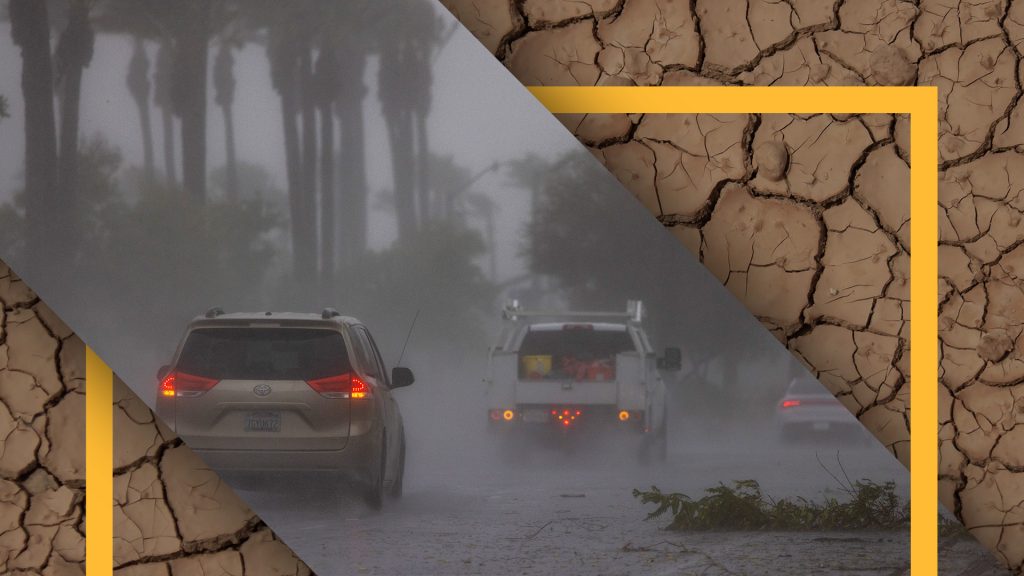
Meteorologists are warning that a powerful El Niño climate pattern intensifying in the Pacific Ocean could evolve into a rare “Super El Niño,” increasing the likelihood of extreme and unpredictable weather across the globe.
El Niño, defined by unusually warm ocean waters in the equatorial Pacific, disrupts atmospheric patterns and shifts weather worldwide. Scientists say the stronger the warming becomes, the more dramatic those shifts can be. Ultimately, this produces sharper swings between heavy rainfall and prolonged dry spells.
“This one’s coming on pretty strong,” said Jared Maples, a National Weather Service meteorologist, noting forecasters are already discussing the possibility of a “Super” or even “Mega” El Niño.
A rare and potentially historic event
Recent observations show a rapid shift from last winter’s La Niña to sustained warming across a large stretch of the Pacific. That warming has continued to intensify, increasing the probability of a strong or very strong El Niño event.
Some forecasters say comparable conditions haven’t been widely observed in more than a century, with historical parallels dating back to the late 1800s.
According to NOAA, major El Niño events — such as those in 1982–83 and 1997–98 — have produced widespread global impacts, including destructive flooding in parts of the Americas and drought in regions of the western Pacific.
Stronger extremes, faster shifts
El Niño alters global weather by shifting heat and rainfall patterns across the Pacific. Warmer waters push storm tracks and atmospheric circulation into new positions, often bringing wetter conditions to some regions and hotter, drier conditions to others.
Forecasters warn that in a stronger event, those effects can intensify quickly.
“You get really heavy rainfall, and then you might spend several weeks in a drought,” Maples told Straight Arrow.
U.S. impacts vary by region
In the United States, forecasters expect uneven effects if the El Niño strengthens further:
- The southern U.S. could see above-normal rainfall.
- Parts of the Plains may trend hotter and drier.
- The West faces uncertainty depending on summer high-pressure patterns, which could either bring moisture or prolonged drought.
- Coastal areas, particularly along the East Coast, may experience increased flooding.
Even heavy rainfall may not alleviate drought conditions, as hardened soils can cause water to run off rather than soak in, limiting relief.
Meanwhile, stronger upper-level winds associated with El Niño can suppress hurricane development, though Maples cautioned that “it only takes one” storm to cause significant damage.
Forecasting challenges and high stakes
Despite increasing confidence in a strong El Niño forming, scientists emphasize that predicting its precise impacts remains difficult. Data on the most extreme events is limited, making it harder to model outcomes with certainty.
That uncertainty carries real-world consequences. According to NOAA, misjudging El Niño’s strength or effects can lead to economic losses, crop failures and strain on water and energy systems.
Still, forecasters say one outcome is highly likely: heightened extremes somewhere on the planet.
“El Niños do lead to enhancements of certain extremes—whether that’s dry or wet, warm or cold,” Maples said.
Watching the Pacific
NOAA monitors El Niño using a network of buoys that track ocean temperatures, winds and currents, providing real-time data to researchers and forecasters worldwide.
The World Meteorological Organization says an El Niño is a slow, unpredictable phenomenon. Water temperatures in the Pacific Ocean have already set the conditions, and the WMO’s latest update predicted noticeable changes starting in June and lasting until at least November.
As those readings continue to climb, experts say the coming months will be critical in determining whether this developing event becomes one of the strongest on record.
Round out your reading
- America at 250: Straight Arrow’s week-long look at the pressures testing modern America.
- Ketamine is booming in America. The reasons go beyond drugs.
- Cluster of AI news sites suddenly goes dark after human reporter starts asking questions.
- A 79-year-old, obese, well-connected man gained exclusive access to a new weight loss drug. Is it Trump?
- Newsom pushes national wealth tax after opposing California billionaire tax.
Ella Rae Greene, Editor In Chief