Cuba says it has run out of oil as blackouts, protests spread across Havana
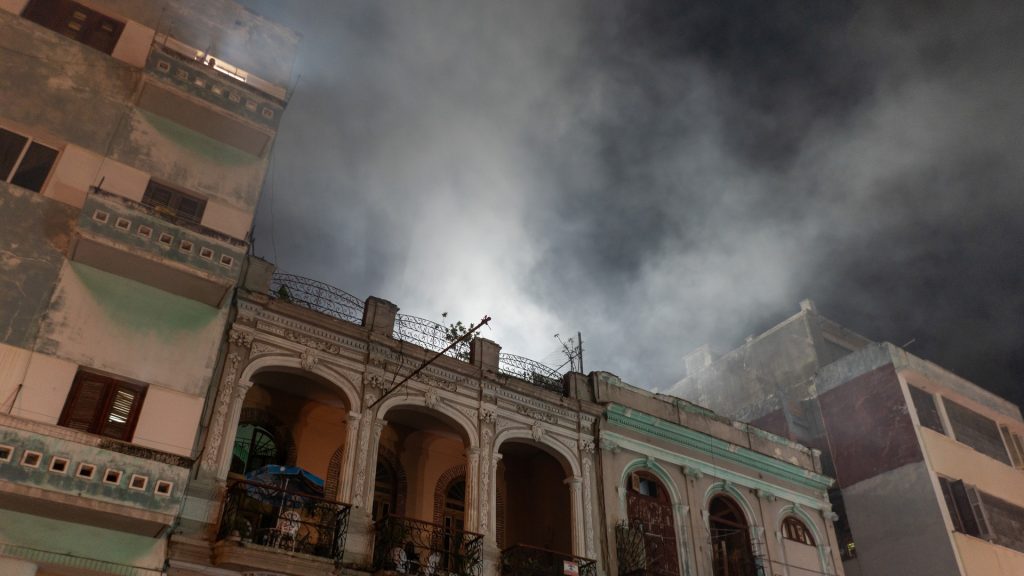
Cuba says it has exhausted its remaining reserves of fuel oil and diesel, pushing the country’s electrical grid deeper into crisis and leaving parts of Havana without power for more than 20 hours a day.
The shortages have triggered protests across the capital, where residents have blocked roads, banged pots from apartment windows and demanded electricity be restored.
Cuban Energy Minister Vicente de la O Levy said Wednesday the country has “absolutely no fuel oil” and “absolutely no diesel” available to sustain the grid. Officials said the limited electricity still being generated is being directed toward hospitals, strategic infrastructure and other protected facilities.
NASA satellite imagery and video from Havana show large sections of the island going dark in recent days, with intersections losing traffic signals and gas stations sitting empty. Reuters reporters in Havana described Wednesday night’s demonstrations as the broadest stretch of unrest the city has seen since the blackouts began earlier this year.
Fuel shipments dry up
Cuba’s electrical system depends heavily on imported fuel, while domestic oil production covers less than half of the country’s daily demand. For years, Havana relied on shipments from Venezuela, with additional deliveries from Mexico and Russia helping stabilize the grid.
Those shipments have largely stopped.

Venezuelan deliveries ended earlier this year after the United States intensified pressure on Nicolás Maduro’s government and expanded measures targeting countries and companies supplying fuel to Cuba. Mexican shipments also halted after the Trump administration threatened tariffs tied to Cuban oil trade.
A Russian tanker carrying roughly 100,000 tons of crude oil arrived in April and temporarily eased shortages, but Cuban officials say those supplies have now been depleted.
US and Cuba reopen talks
The energy collapse has unfolded alongside renewed contact between Washington and Havana.
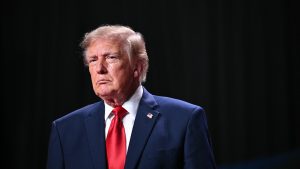
The Cuban government confirmed Thursday, and the CIA later posted on X, that Director John Ratcliffe visited Cuba for meetings with senior officials, days after President Donald Trump wrote on Truth Social saying Cuba was “asking for help” and said talks between the two governments were expected.

The State Department separately said the United States was prepared to offer up to $100 million in assistance if Cuba agrees to economic and political reforms, CNBC reports.
On X, Cuban President Miguel Díaz-Canel blamed the shortages on what he called a U.S. “genocidal energy blockade,” accusing Washington of cutting off fuel shipments needed to keep the island operating.
Secretary of State Marco Rubio rejected that argument earlier this year in an interview with The New York Times, saying Cuba’s government lacks the money to purchase oil and has mismanaged the country’s economy.

The outages have reshaped daily life across much of the island. Residents interviewed by Reuters and The Times described sleeping outdoors to escape the heat, cooking with charcoal when electric stoves fail and waking during short windows of restored power to charge phones and prepare meals.
Díaz-Canel says the country needs roughly eight tanker deliveries a month to maintain stable operations, but only one major shipment has arrived since December.
Round out your reading
- Are aliens real? Pentagon’s newly released UFO files suggest the truth is out there.
- A million Americans get this knee surgery every year. But does it work?
- Is the apocalypse now? One man is tracking flights by the rich to find out.
- ‘No Mow May’: A boon for the bees or a well-intended mistake?
- We’re building a new Straight Arrow. Help us shape our future by taking our survey.
Ella Rae Greene, Editor In Chief