COVID-19 crippled fire truck manufacturing, and it’s getting deadly
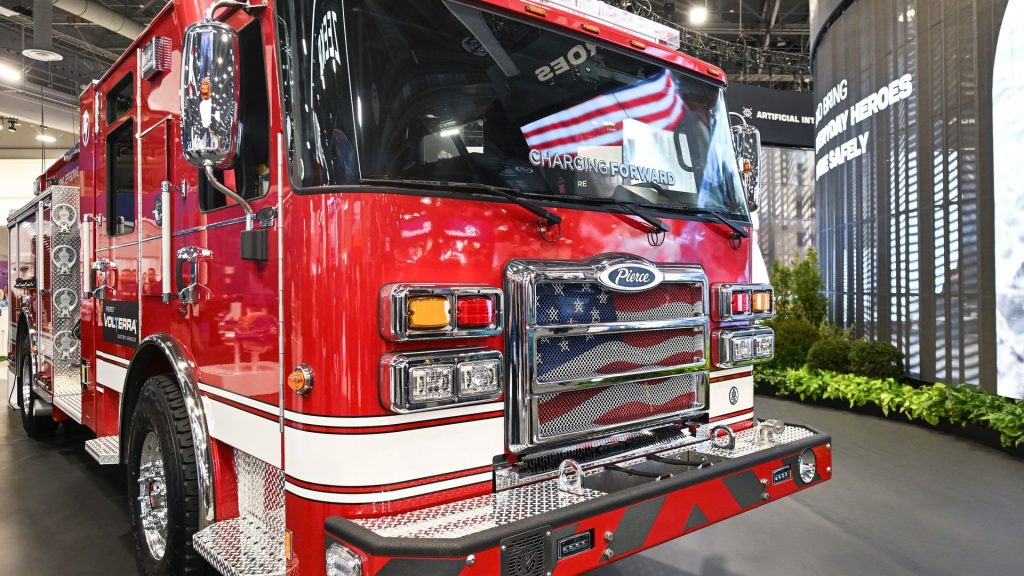
Six years after the COVID-19 pandemic spread across the globe, so many parts of the world are still feeling the impacts. Fighting fires, while not one of the first to come to mind, isn’t excluded.
Firefighting is a pillar of public safety, but the pandemic has made it tough for fire departments to replace their aging trucks in a timely manner. Prior to the pandemic, you could get a new, custom-made fire truck in 12-18 months.
Now, that process can take years.
Pandemic’s manufacturer impact
“When COVID hit, a couple things kind of happened all at the same time,” Win Slauch, a former fire captain and cohost of the firefighting podcast “The Apparatus Workshop,” told Straight Arrow.
One of those things is the massive turnover in the workforce for fire truck manufacturers.
There are a few dozen fire truck manufacturers in the U.S., but 80% of that market runs through three major companies.
Those manufacturers had many long-term, knowledgeable employees who decided retirement was the right choice when the pandemic hit.
“When things started to ramp back up, it required them to hire a lot of skilled employees who didn’t exist, and I think that that was part of the start of the issues,” Slauch said.

When billions in COVID-19 relief money began to flow from the federal government, many departments across the country decided it was time for new trucks.
The sudden spike in demand and disrupted supply lines started a fire that still hasn’t been totally extinguished.
“They couldn’t build fire trucks fast enough, and in the first year they got delayed,” Nick Wilbur, a firefighter and owner of Emergency Vehicle Response, told Straight Arrow.
Market changes
Manufacturers can’t just start churning out dozens more fire trucks, so that initial delay has set off a chain reaction that still impacts the industry six years later.
The industry has been so consolidated over the last several decades that the largest firefighter labor union is demanding antitrust authorities investigate those companies.

Departments also typically want their trucks customized, which takes more time.
A department in New York City, for instance, needs trucks better designed to handle high-rise buildings. A department in a Baltimore suburb needs trucks better designed to service single-family homes.
These manufacturers are now also offering a second option to departments. They can quickly get you a truck that just came off the line, but at several costs.
“You have little in the way of being able to specify what it can do or what it looks like, and you’re going to be paying pretty much the same price or premium that you would if you get in line like everybody else,” Wilbur said.
The cost
Cost is now another major issue. In any market, when the number of suppliers goes down, prices tend to go up.
Experts Straight Arrow spoke with used the example of a recent 2017 fire truck purchase in Maryland that cost $890,000.
That truck now costs around $2 million.
Oftentimes, departments that order fire trucks only pay for the truck once it’s completed. That means manufacturers need to shell out the initial costs.
That’s no problem for major conglomerates. For a smaller manufacturer, that can be debilitating.
“At some point you are not going to be able to get a loan to cover the materials that you need and your workforce and all of that, and you’re going to either go out of business or merge or be taken over by a conglomerate,” Slauch said.

Then there’s the customers. Major cities have significantly bigger budgets for this.
That includes Chicago, which just put in a $100 million order for a new frontline fleet. That order included 80 new fire trucks.
It’s an important order since firefighters reportedly had to crash trucks on purpose just to stop them due to faulty brakes.
However, that massive order will obviously extend the backlog of building trucks even further.
An order of that size also impacts pricing, since now those manufacturers aren’t desperate for a consumer.
“Now if you had 80 fire trucks in the queue, you could charge the next guy or gal anything you wanted, because you have 80 fire trucks still to build, and if someone pays it, then that’s great, and you just keep raising the price up until no one pays it,” Wilbur said.
What’s next?
At this point, it doesn’t appear this is going to change anytime soon.
“It’s going to take years till it gets back down to a reasonable timeframe, and I don’t know that the money part of it ever comes back down,” Slauch said.
One thing that has changed in the last several years is how fire departments are handling this new reality and how they need to handle it moving forward.
Fire trucks typically last anywhere from 15-25 years.
That means departments should have a pretty good purview of when their trucks need replacing.
When COVID hit, several departments were forced to scramble and found themselves unprepared. It’s hard to blame them for that, when the pandemic did that to millions of other people and industries worldwide.
However, at this point, the new normal is clear, and it’s up to these departments to be responsible for their fleet and how to get new trucks in the garage.
“At the beginning, that issue could be attributed to the manufacturers or the inability to get fire trucks, but I think now that inability almost becomes a result of the fire departments not planning properly,” Slauch said.

While those departments now have an updated timeline on getting new trucks, they still need to figure out how to pay for them.
Trucks are clearly getting more expensive, but that’s only part of the problem.
Costs are going up elsewhere, including a massive shift from more volunteer firefighters to career firefighters.
“As the price continues to grow for a fire truck, you might be saving money, and every year that the price increases, it’s becoming that much farther and farther away for you to be able to grasp,” Wilbur said.
Impact on communities
Is this new world of manufacturing making things more dangerous for civilians and firefighters?
In a word, yes.
“We’re killing firemen, and we’re killing people, because we can’t get there,” Slauch said. “Where we have a ladder that doesn’t operate properly, and that all comes back to the elected officials.”
Fire department funding comes from cities and municipalities. Experts Straight Arrow spoke with agreed that while it’s important for departments to understand this new process and cost, it’s just as important for the elected officials who manage the money to understand that as well.

Fire trucks are also extremely complicated pieces of equipment, which is why it’s important for departments to have people in place to inspect these now multimillion-dollar purchases.
“You don’t go buy a house without getting a home inspector to investigate the house,” Wilbur said.
He pointed to the fact that the salespeople for the manufacturers are not typically qualified to inspect fire trucks and may have “been selling sewing machines yesterday.”
Even career firefighters who have gone through a fire academy have very little training in building or the specs of a fire truck.
However, there are third parties that departments can bring in to help with those inspections.
At this point, we’re all living in a post-pandemic world, and the fire truck manufacturing industry has a new reality that everyone needs to be prepared for to keep communities safe.
“Everybody has to have an understanding of how important these things are,” Slauch said.
Round out your reading
- They built an Epstein files library, but realized they couldn’t let everyone read them.
- The doctor who claims functional medicine reversed her MS.
- For many Americans, ‘one more round’ no longer serves their lifestyle or budget.
- Trump claimed economic data is ‘rigged.’ Former officials pledge to ‘watch like hawks’ for political manipulation.
- We’re building a new Straight Arrow. Help us shape our future by taking our survey.
Ella Rae Greene, Editor In Chief