A member of the traditionally conservative Murdoch family looks to step into progressive media
The news industry has seen significant consolidations in ownership in recent years, and it seems things could tighten further.
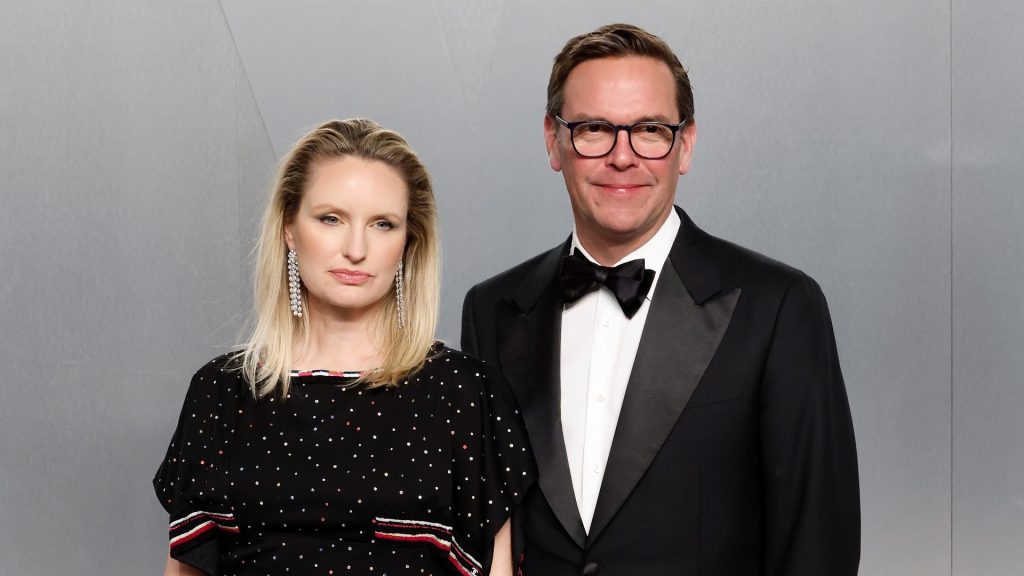
James Murdoch, son of media mogul Rupert Murdoch and former CEO of 21st Century Fox, is in talks to buy Vox’s New York Magazine and podcast division, according to The Wall Street Journal.
People familiar with the potential deal spoke to the publication, saying the deal is not final and could still fall through. However, if the sale is completed, James would officially step back into the news landscape, putting his own touch on the news media, though a bit differently from his father.
A family affair
The Murdoch family has a long-standing relationship with the news media. His father, Rupert, built a global media empire through News Corporation, which is now split into News Corp and Fox Corporation. Combined, the two consist of typically right-leaning publications and organizations such as Fox News, The Wall Street Journal, The New York Post, and more.
But James has gone about things differently from his father, specifically targeting those on the political left. This, after he resigned from the News Corp board, citing disagreements over editorial content.
A Vox purchase wouldn’t be James’ first media property purchase, but it would be his first news-focused media purchase.
James’ investment company, Lupa Systems, already has stakes in Tribeca Enterprises, which runs the Tribeca Film Festival and MCH Group, which owns Art Basel, a contemporary art fair.
His wife, Kathryn, however, has invested in news media before. In fact, she has a stake in a fast-growing digital news startup targeting people who don’t support President Donald Trump.
Now, it seems the couple is interested in expanding further into news media, specifically left-leaning outlets. AllSides has rated Vox as a left publication, saying that it strongly aligns with liberal, progressive or left-wing policy agendas.
That left-leaning tone has even shown up in stories about the Murdoch family, who are often portrayed on Vox in a less-than-shining light. In the past few years alone, the publication has written about the family at least 100 times, and about James nearly 50 times.
But despite the potential Vox purchase being distinct from the Murdoch family’s other holdings, it would still mean the family would have an even greater stake in news media.
The consolidation of news media
For decades now, media consolidation has been on the rise, and as of April 2026, the Committee to Protect Journalists (CPJ) says about 90% of American media is owned by 50 companies.
Today, six corporations comprise almost all American media: Comcast, Walt Disney, Warner Bros. Discovery, Paramount, Skydance, Sony and Amazon. But that number may drop to five, pending the Justice Department’s approval of a deal between Paramount and WBD.
The Paramount deal would mean the company would own both CBS News and CNN, among other properties.
And James Murdoch is not the first, nor will he likely be the last, businessperson and investor to have a stake in the news media game.
Amazon CEO Jeff Bezos purchased The Washington Post in 2013 for $250 million. And it’s not just national news.
Local news stations are seeing consolidations as well, most recently with the Tegna-Nexstar merger. The FCC approved that deal in March, allowing one company to now cover 80% of U.S. TV-watching households.
CPJ says that with these corporations and investors purchasing news media organizations comes a threat to press freedoms, noting many have signaled a willingness to comply editorially with U.S. politicians.
It says media consolidation “is a threat to democracy that puts press freedom at the mercy of fewer and vastly wealthier owners whose fortunes may depend on government laws and support.”
Meanwhile, journalists continue to battle artificial intelligence in the newsroom.
Round out your reading
- First, it was the schools. Now they’re coming for your cellphone at work.
- Why one of America’s top economic forecasters is worried about a recession.
- AI companies may not be adhering to their own guidelines — with potentially deadly outcomes.
- Data centers are a thorny issue for Democrats. Maine shows us why.
- We’re building a new Straight Arrow. Help us shape our future by taking our survey.
Ella Rae Greene, Editor In Chief