A flesh-eating maggot is spreading. The beef industry is watching closely
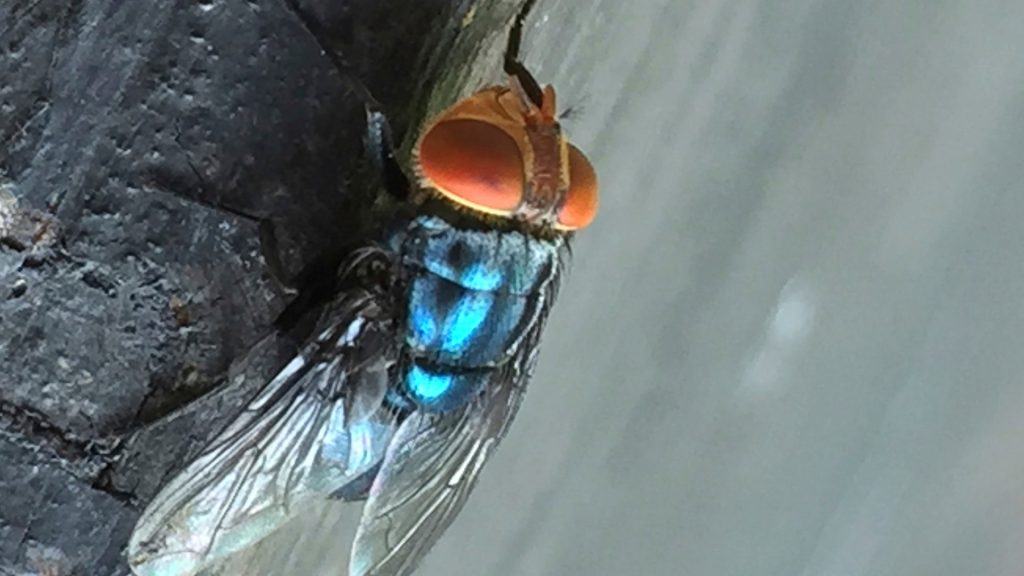
Federal officials have confirmed three additional cases of the flesh-eating New World screwworm, including the first case believed to have originated in New Mexico.
The U.S. Department of Agriculture announced Monday that a calf and a goat in Texas tested positive for the parasite. The agency also reclassified a previously reported Texas case involving a dog as the first confirmed case originating in neighboring New Mexico.
The development brings the total number of confirmed U.S. cases to five: three calves and a goat in Texas, and a dog in Lea County, New Mexico.
Why officials are concerned
The New World screwworm is not a worm at all. It is the larval stage of a fly whose maggots feed on living flesh.
Female flies lay their eggs in open wounds, and the larvae burrow into tissue, creating larger wounds that can lead to severe infections. Cattle, livestock, pets, wildlife and, in rare cases, humans can be affected. Untreated animals can die within weeks.

The parasite thrives in warm, humid conditions and has the potential to spread quickly if left unchecked.
Beef prices already under pressure
The growing number of cases is drawing attention because of what a larger outbreak could mean for the cattle industry.
The U.S. cattle herd is already at its smallest size in more than 70 years following years of drought. That has helped push beef prices higher, with USDA data showing average prices are up roughly 13% from a year ago.

Experts said the handful of cases reported so far are unlikely to immediately affect grocery store prices. But if the outbreak expands, it could slow efforts to rebuild cattle herds and keep beef prices elevated longer than expected.
Unbiased. Straight Facts.TM
The USDA plans to build a $750 million fly factory in southern Texas to breed sterile flies to stop the spread of flesh-eating larvae, or maggots.

Scientists are also watching for signs that the parasite could spread among Texas wildlife, particularly white-tailed deer, which could make containment more difficult.
Containment efforts expand
Officials are now investigating the New Mexico property where the infected dog lived. According to The Associated Press, if infected flies are found in the area, animal inspections will increase.
Texas has already established a 12-mile quarantine zone around affected areas.
As Straight Arrow reported, the USDA has been releasing sterile male flies in South Texas since February after screwworm cases were detected in Mexico late last year. The males mate with wild females, preventing reproduction — a strategy that successfully kept the pest contained near Panama for decades.
Agriculture Secretary Brooke Rollins has also announced a $100 million federal effort that includes fly traps, lures and specially trained dogs to detect infestations.
The screwworm was largely eradicated in the United States by the 1970s. Its recent resurgence in Mexico has hit that country’s cattle industry hard and prompted Canada to halt imports of cattle, livestock and horses from Texas.

University of Florida entomologist Edward Burgess said increased awareness is helping authorities identify cases more quickly.
“When that first case is seen, everyone is being vigilant and their eyes are on it more intensely,” Burgess said.
Round out your reading
- People are overdosing on GLP-1 injections. What does that look like?
- Researchers put chatbots in a simulation. Grok ended the world in 4 days.
- Fearing more e-bike injuries, Illinois looks to become 10th state to mandate registration, insurance.
- Why are young professionals facing such a tough job market? Hint: It’s not just AI.
- We’re building a new Straight Arrow. Help us shape our future by taking our survey.
Ella Rae Greene, Editor In Chief