Why do some people have vision problems years after COVID?
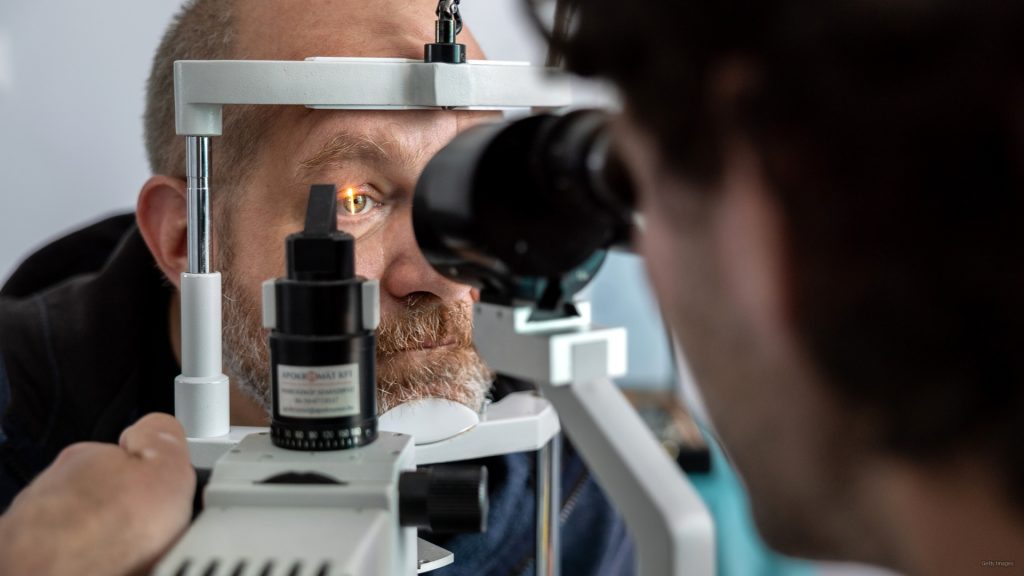
Earlier this year, researchers in Connecticut and Toronto reported that eye problems may be a more common long COVID symptom than previously recognized. In a study of nearly 600 adults, 57% reported developing new eye symptoms — including blurred or lost vision, dry eyes or flashes of light — after SARS-CoV-2 infection.
The scientists also found that patients with eye symptoms generally reported poorer overall health, more neurological and gastrointestinal symptoms and greater financial hardship than those without vision problems, suggesting eye problems may be a marker of more severe long COVID.
A new study published this week offered clues about what may be driving those symptoms.
Researchers led by a team at Linköping University in Sweden found that nearly 80% of study participants continued to experience vision problems for at least one year after COVID-19 infection. More than 30% of the study’s participants said light sensitivity, eye pain and difficulty reading lasted for two years or longer despite routine eye exams appearing normal. About a third of patients said their symptoms were so severe they had to reduce their work hours or stop working altogether.
Scientists estimate that some 15 million Americans are living with long COVID, a phenomenon that remains only partly understood. The condition has challenged the long-held view that infectious diseases are always short-lived and has fundamentally reshaped how many physicians, researchers and patients think about disease.
READ MORE: Can every infection become a chronic disease?
The findings add yet another piece to the long COVID puzzle. They may also offer new clues about how inflammation and nerve damage lead to vision problems and even underlie other lingering symptoms throughout the body.
Hidden clues
Beginning in 2022, researchers enrolled 100 adults previously infected with SARS-CoV-2 who were experiencing persistent eye symptoms; 32 people who had recovered from COVID-19 without lingering vision problems were also included. Most participants had experienced relatively mild infections and were never hospitalized, but their vision problems persisted for months or years after the initial infection.
The scientists evaluated participants’ eye function, measuring eye movements, focusing ability, pupil responses to light and the health of nerve fibers in the cornea.
Compared with participants who recovered without eye problems, those with persistent symptoms had more difficulty focusing on nearby objects, poorer eye coordination and abnormal pupil responses, suggesting the nerves that control basic eye functions were not working normally.
The team also found fewer nerve fibers in the corneas of participants with persistent symptoms, evidence consistent with nerve damage. When researchers analyzed participants’ tear samples, they identified nearly 200 proteins involved in immune activity, inflammation and nerve injury that differed from those seen in participants without vision issues. Similar protein patterns have been reported in the blood and tissues of patients with severe and fatal COVID-19, suggesting some of the same biological pathways may remain active long after initial infection.
The study has several limitations. Participants were recruited because they already had persistent eye symptoms, meaning the research cannot determine how common these abnormalities are among all people who had COVID-19. Because researchers did not have measurements from before participants became infected, they also cannot definitively prove the virus caused the changes.
Taken together, the researchers said the findings provide biological evidence that may explain why some people experience lingering vision problems after even a mild bout of COVID-19. They hope the results could eventually lead to better diagnostic tools and treatments.
“These people are really struggling in their daily lives,” senior author Neil Lagali, a professor of experimental ophthalmology at Linköping University, said. “Now we know what’s wrong with their eyes, and have several clues as to how COVID-19 may have caused these problems. We hope that the findings can lead to effective treatment and that in the long run their problems will ease, but unfortunately we don’t know yet.”
Round out your reading
- Scientists are now eyeing a possible ‘Mega El Niño’.
- Critics mocked Mamdani’s AC request. Republicans made the same ask.
- Social Security was supposed to be a safety net. To young Americans, it’s a broken promise.
- What happens when the water dries up? Much of the American West is close to finding out.
- Political insiders are targeting the two-party system’s grip on America.
Ella Rae Greene, Editor In Chief