Trump admin reverses decision, extends waiver on Russian oil sanctions
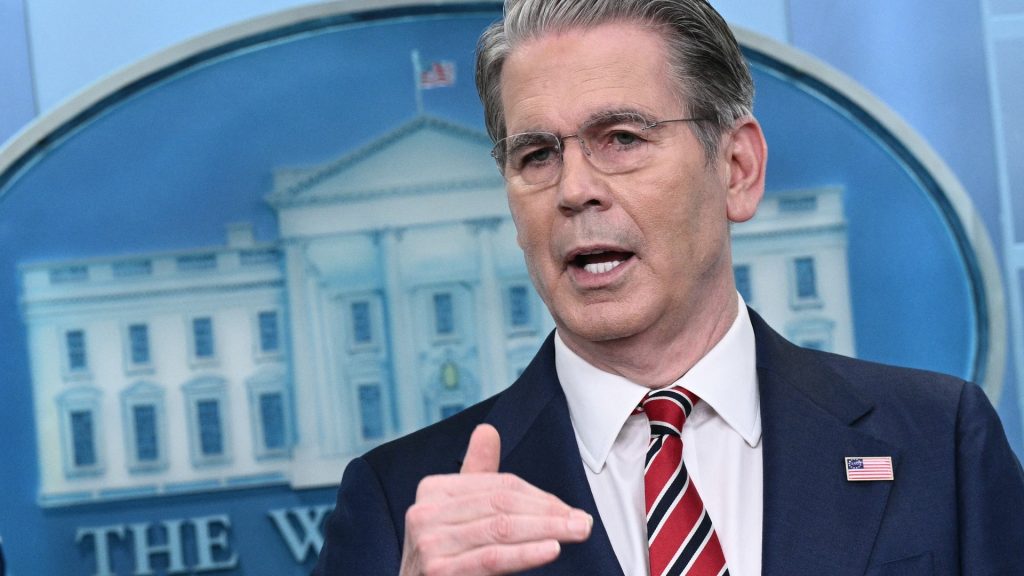
The Trump administration extended a waiver letting countries buy sanctioned Russian oil, days after Treasury Secretary Scott Bessent said it would not be doing so.
On Friday, the Treasury Department posted on its website a license authorizing the delivery and sale of crude oil and petroleum products from Russia through May 16. This waiver replaces one that expired on April 11, and does not include Iran, Cuba or North Korea.
“As negotiations [with Iran] accelerate, Treasury wants to ensure oil is available to those who need it,” a Treasury Department spokesperson told Reuters.
Lawmakers criticized the move amid Russia’s war with Ukraine, especially after Bessent said Wednesday at a White House press briefing that the U.S “will not be renewing the general license on Russian oil.”
The U.S. and Israel’s war against Iran sent oil prices soaring with the closure of the Strait of Hormuz. Iran declared that the strait was open on Friday, leading to lower oil prices. However, it later decided to close it again because of a U.S. maritime blockade on ships entering or exiting Iranian ports and coastal areas.
A U.S. source said to Reuters that its partner countries on the sidelines of the Group of 20, World Bank and International Monetary Fund meetings requested the U.S. prolong the waiver.
Senate Minority Leader Chuck Schumer, D-N.Y., Sen. Jeanne Shaheen, D-N.H. and Sen. Elizabeth Warren, D-Mass. issued a statement saying the Treasury Department’s decision is “shameful.”
“This week, Putin launched the largest aerial attack of the year so far on Ukraine, killing 18 and the Administration’s response is to relax sanctions on the Kremlin yet again,” they said. “What kind of message does this move send?”
The senators said Putin has been one of the “biggest beneficiaries” of the war in Iran, as it has seen its main oil revenue double.
Russian oil sanctions started after the country invaded Ukraine in 2022. The United States and countries in Europe leveraged their influence over the shipping industry to stop Russia from raking in huge profits from the oil industry.
The sanctions effectively capped the price that Russia could sell oil at by penalizing vessels transporting Russian crude to be sold at a higher price.
This method was designed to “take revenue away, but keep barrels on the market,” Catherine Wolfram, a former deputy assistant secretary at the U.S. Treasury who had a hand in crafting the policy, told SAN in March.
“Enough is enough. President Trump needs to stop letting Putin play him for a fool and impose additional sanctions on [Russian President Vladimir] Putin, who is clearly not feeling sufficient pressure from this President,” the senators said. “If President Trump does not change course, the war in Ukraine will continue and more innocent people will die.”
Bessent argued last month that permitting countries to purchase oil would not provide a significant financial benefit to the Russian government, because it “derives the majority of its energy revenue from taxes assessed at the point of extraction.”
Ella Rae Greene, Editor In Chief