US, Gulf states seek Ukraine’s cheap interceptor drones to stop Iranian Shaheds
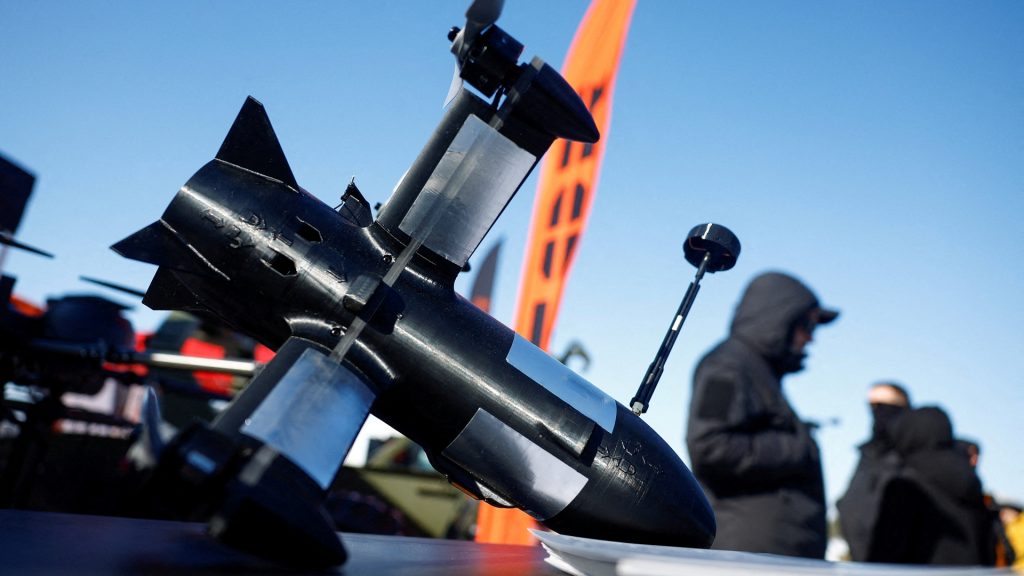
The United States and several Gulf nations are in talks with Ukraine about buying interceptor drones designed to destroy Iranian-made Shahed attack drones, according to a new report. Ukrainian President Volodymyr Zelenskyy says Kyiv has already received requests for equipment and technical support.
As Straight Arrow News has reported, Ukraine built the systems during its war with Russia, where Iranian-style drones have repeatedly targeted cities and energy infrastructure. The same type of drone is now appearing across the Middle East, including the strike that killed six U.S. troops in Kuwait during the opening hours of the current conflict.
ABC News reports the discussions center on acquiring Ukrainian-built drones capable of pursuing and destroying incoming Shaheds before they reach their targets.
Ukraine’s drone defenses draw global demand
Ukraine has spent more than a year accelerating development of low-cost interceptor drones. The systems use cameras and onboard artificial intelligence to identify and track incoming aircraft. Operators then guide the interceptor directly into the target drone to destroy it midair.
The economics are driving interest. Patriot interceptor missiles can cost millions of dollars per launch.
Ukrainian interceptor drones cost a few thousand dollars each. Iranian Shahed drones are estimated to cost roughly $30,000, according to ABC.

That gap has drawn attention from governments now facing the same threat. Ukrainian officials say every Gulf government has contacted Kyiv — either directly or through Washington — to discuss possible purchases.
Zelenskyy confirms requests for assistance
Zelenskyy says Ukraine has received direct requests for help countering Iranian drones in the Middle East.
“We received a request from the United States for specific support in protection against ‘shaheds’ in the Middle East region,” Zelenskyy said in a statement. “Ukraine helps partners who help ensure our security and protect the lives of our people.”
He said he directed Ukrainian officials to provide the necessary systems and deploy specialists capable of supporting partner nations’ defenses.
Discussions now focus on quantities and how the systems would be integrated into existing air defense networks. Interceptor drones must connect to radar and detection systems to track incoming threats, which could require additional infrastructure.
Technology shaped by battlefield experience
Russia has launched tens of thousands of Iranian-made drones at Ukraine since the invasion began more than four years ago. Ukrainian engineers and drone units responded by rapidly building interceptor systems designed specifically to destroy Shahed drones.

Ukraine has already used those interceptors in combat, and the country’s drone industry has expanded quickly enough to produce systems beyond its immediate battlefield needs.
Zelenskyy says Ukraine is willing to share that expertise with partners, provided the transfers do not weaken Ukraine’s own defenses.
U.S. officials have not commented publicly on the negotiations.
Ella Rae Greene, Editor In Chief