Most US teens aren’t sleeping enough. Is school to blame?
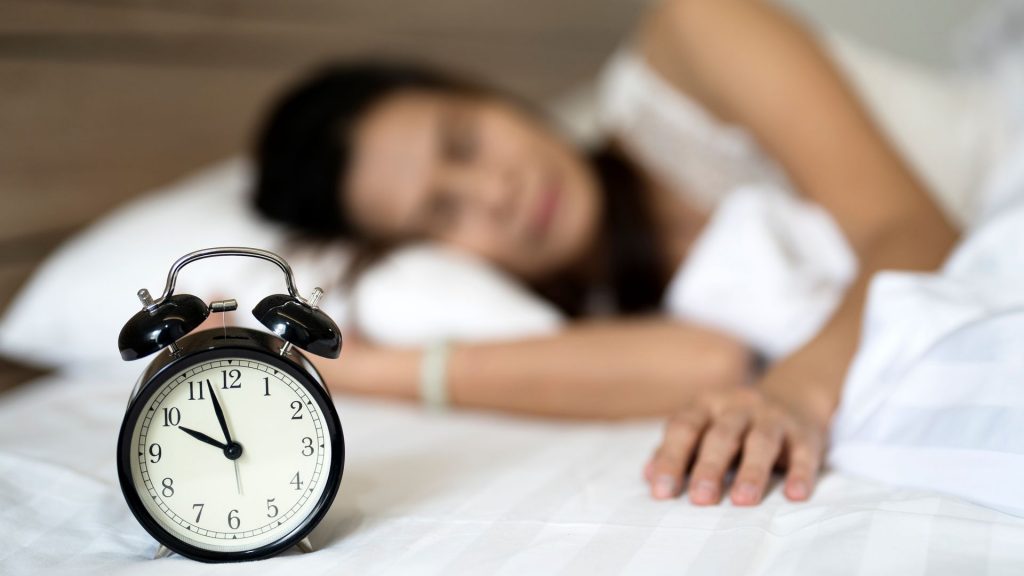
A new analysis of data from the long-running Youth Risk Behavior Study found that 77% of U.S. high school students surveyed in 2023 did not get adequate sleep, up from 69% in 2007. What’s more: The portion of teenagers who said they slept for five hours or less increased from 16% to 23% in that same period.
The American Academy of Sleep Medicine recommends that teenagers sleep eight to 10 hours per night for optimal health. Inadequate sleep has been linked to a wide range of physical and mental health issues, including obesity, diabetes and depression.
While increased screen time, drug and alcohol use and low physical activity may contribute to shorter sleep, researchers suggested that structural factors — including early high school start times — may be a more powerful driver.
Who is at risk for poor sleep?
Researchers, who published their findings this week in the Journal of the American Medical Association, found that insufficient sleep was more common among teens with certain behavioral risk factors.
For example, about 79% of survey respondents who said they spent four or more hours using social media or playing video games had insufficient sleep, while 69% of teens who never used social media did not sleep for eight hours or more. Inadequate sleep was also more common among teenagers who smoked cigarettes, used cannabis or consumed alcohol compared to those who did not.
More than 80% of teenagers who said they had no regular physical activity during the week had insufficient sleep, compared with about 73% of teenagers who exercised five days or more. Poor sleep was also more common among teenagers experiencing depressive symptoms, suicidal thoughts or who had been bullied in the past year, according to researchers.
Although insufficient sleep was consistently more common among adolescents with behavioral risk factors, the rate of increase between 2007 and 2023 was similar — and in some cases greater — among students who did not report those risks. In other words, insufficient sleep worsened across the board, not only among teens already identified as higher risk.
Researchers noted that structural challenges such as early high school start times may be driving an increase in insufficient sleep more so than social media use, drug use or lack of exercise.
What is driving poor sleep among teenagers?
The American Academy of Pediatrics (AAP) recommended for more than a decade that schools start no earlier than 8:30 a.m. Yet, only about 17% of U.S. public high schools follow that guidance today, according to the National Center for Education Statistics. More than 40% of schools start before 8 a.m., and 10% start before 7:30 a.m. Those figures do not account for student-athletes who may be required to report for practices or workouts before the first bell, sometimes as early as 5 or 6 a.m.
Several studies have demonstrated that pushing back high school start times increases the amount of time students sleep which, in turn, translates to better mental health and greater academic engagement.
While some large districts have shifted to later start times, many school boards and parents point to transportation logistics — particularly staggered bus schedules — as well as competing student commitments such as athletics and part-time jobs as obstacles to meeting the AAP’s recommendation.
Ella Rae Greene, Editor In Chief