Wildfire smoke can harm more than your lungs. Here’s how to stay safe
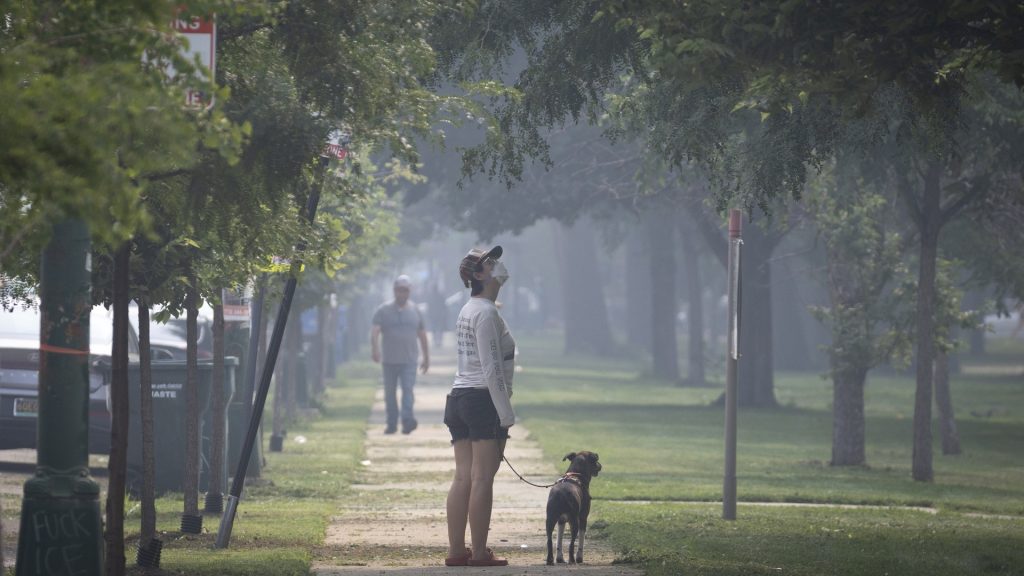
Wildfires in Ontario have spewed a thick blanket of smoke across parts of Canada and the U.S. from Minnesota to northern Virginia. Milwaukee reported its worst air quality in history, and two Toronto hospitals recorded an 80% uptick in emergency room visits.
Millions of Canadians and Americans even thousands of miles from the flames may face health consequences of the raging wildfires. One study from 2024 recorded a spike in heart and lung illnesses from wildfire smoke that originated more than 2,000 miles away.
Even limited exposure to wildfire smoke can irritate the lungs and worsen heart and respiratory conditions. Monitoring air quality, staying indoors and using high-quality air filters and masks can reduce the risks.
Here’s what to know about the health impacts of wildfire smoke and how to mitigate the risk.
How does wildfire smoke affect health?
Wildfire smoke is made up of a mixture of gases and tiny particles that are so small they can travel deep into the lungs and even enter the bloodstream, irritating airways, making it harder to breathe and straining the heart. Even healthy people may experience coughing, trouble breathing, stinging eyes, headaches and other symptoms, according to the Centers for Disease Control and Prevention.
People with heart disease, lung disease, asthma and other chronic conditions have a higher risk of becoming sick from inhaling smoke, according to state and federal health agencies. Children and adults older than 60 are also more sensitive. Exposure to wildfire smoke during pregnancy has been associated with a higher risk of miscarriage, low birth weight, pre-term delivery and autism.
There are also longer-term risks. A study published in May reported that exposure to wildfire smoke increases the risk of lung, colorectal, breast and other types of cancers.
How to protect yourself from wildfire smoke
Environmental health experts recommend tracking real-time air quality on platforms such as the federal government’s AirNow before spending time outdoors. If the air quality index — a measure of pollution — is hazardous, they recommend limiting the amount of time spent outside and postponing activities like running, yard work or other strenuous exercise, which cause you to breathe more deeply and take more smoke into your lungs.
If you’re unable to evacuate, staying indoors is the best way to reduce exposure. Keep windows and doors closed, run your air conditioner or HVAC system on recirculate, and use a clean, high-efficiency air filter if possible. A portable HEPA air purifier can further improve indoor air quality.
University of California air quality experts said it’s a good idea to avoid activities that create indoor pollution, such as smoking, vaping, burning candles, frying food or vacuuming.
People who must be outside should consider wearing a well-fitting N95, P100 or KN95 mask, which can filter out many of the fine particles.
People with asthma, chronic lung disease or heart disease should have their medications readily available and follow their health care provider’s treatment plan. If your home becomes too smoky or too hot to stay inside safely, public buildings such as libraries, shopping malls or community centers with clean, air-conditioned air may provide a safer place to spend time until conditions improve.
Round out your reading
- With more prison space than prisoners, correctional facilities are shutting down.
- ‘Game changer’: New cancer treatment turns major surgery into an outpatient procedure.
- Viewers overwhelmingly support ‘The View’s’ fight against the FCC. Will that matter?
- Why an ICE shooting in Houston isn’t leading to mass protests.
- Milwaukee detective is the latest officer charged with misusing Flock cameras.
Ella Rae Greene, Editor In Chief