Why Gen Z is staying home on the weekends. Hint: It’s not because they’re antisocial
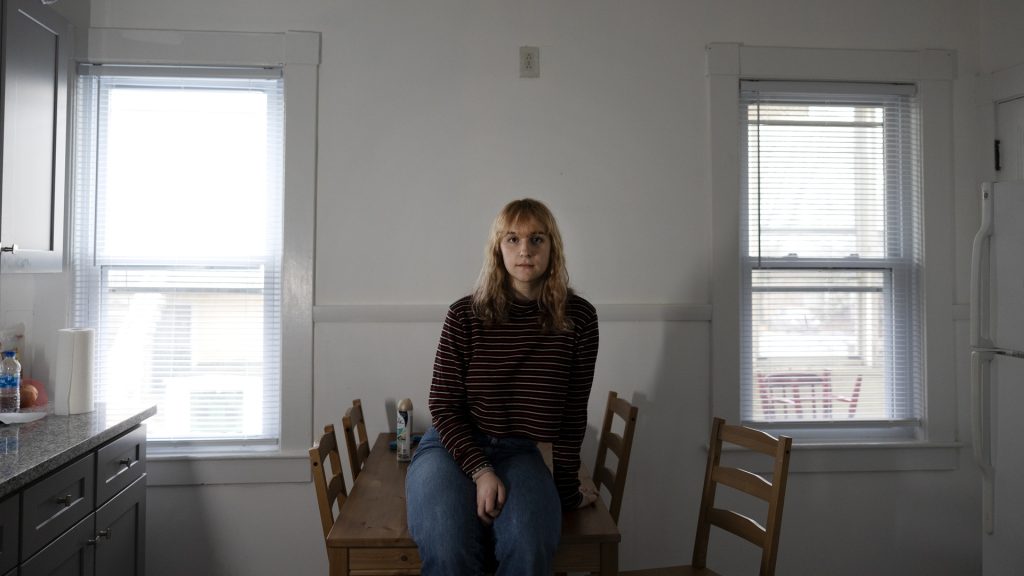
Gen Zers are staying home on the weekends because they want to save money and avoid large crowds, according to a new Harris Poll.
The Gen Z Weekend report, released Wednesday, is exactly what it sounds like. It breaks down the behavior patterns of Gen Z (those born between 1997 and 2012), specifically on the weekend, and what may be causing that behavior.
The report found that financial strain and overwhelming social interactions are keeping Gen Z at home, leading to reports of loneliness.
But don’t call them antisocial.
“For a meaningful portion of Gen Z, especially renters and women, staying home isn’t a lifestyle preference,” Tim Osiecki, director of thought leadership and trends at The Harris Poll, told Straight Arrow. “It’s a financial reality.”
Staying in and saving money
According to the Harris Poll, nearly three-quarters of Gen Z spend at least half their weekends at home.
Among those polled, 28% said they spend every weekend at home, 26% said they spend most weekends (three a month) at home and 20% said they spend about half their weekends at home.
And when pitched the statement, “Staying in has become my default weekend plan,” 73% of Gen Z adults agreed.
The reasons are twofold: to save money and for self-care. Osiecki said for many Zers, staying home is not a choice.
“The financial pressure Gen Z is under has been well-documented, but what this report makes vivid is how directly it’s reshaping something as fundamental as how they spend their weekends,” Osiecki told Straight Arrow.
The Harris Poll found that 68% of Gen Z adults agree that “going out these days isn’t worth the damage it does to my wallet.”
On top of that, 62% of Gen Zers avoid making weekend plans because they don’t want to experience financial regret afterward.
Rather, they stay home to save money and use that spare money on necessities and bills.
When they do go out, Gen Z wants it to be chill
The pressures go beyond finances. Social experiences play a part as well.
“Going out has become genuinely costly, and the traditional social formats — loud, crowded, alcohol-centered — are increasingly unappealing to this generation,” Osiecki told Straight Arrow.
The Harris Poll found roughly nine in 10 Gen Zers are actively opting out of nightlife staples, with 39% saying they actively avoid large group hangouts and 38% saying they avoid loud, crowded spaces.
Instead, they are looking to make social plans that cost less and ask less.
A quiet lifestyle, a lonely lifestyle
Alas, these financial strains and quieter social-life desires usher in increased loneliness.
“This is the most connected generation in history, but also the loneliest,” Osiecki told Straight Arrow. “That tension is striking, and it deserves more attention than it’s getting.”
READ MORE: How one city is trying to solve the loneliness epidemic
The Harris Poll found that more than half of Gen Z adults experience weekend loneliness, the highest rate of any generation.
“Loneliness at this scale has consequences that go well beyond the weekend,” Osiecki said. ”It affects mental health, community, civic participation and long-term wellbeing.”
A desire for new social opportunities and experiences
Many members of the youngest generation of adults want to be social. But they struggle to find social environments they want to be in.
In fact, 85% of those polled have already found workarounds to be social at a lower cost. Meanwhile, 62% wish their online friendships turned into real-world plans and 71% feel like they’re missing out on in-person experience that older generations had.
“What this report signals about upcoming generations is a fundamental renegotiation of what social life looks like, away from nightlife and alcohol, toward wellness, calm and lower-cost connection,” Osiecki said.
He said the Gen Z desires could have implications for urban planning, retail, entertainment and public health.
“This isn’t just a generational quirk,” Osiecki said. ”It’s a leading indicator.”
He added that stats aren’t soon to change unless social opportunities do.
“The demand for real-world connection is completely intact. Gen Z isn’t checked out, they’re locked out. The desire is there,” Osiecki said. “What’s missing is an affordable, low-pressure way back in. Any brand, city, or community that solves for that isn’t just filling a market gap. They’re filling a human one.”
Round out your reading
- What does low water at the Hoover Dam mean for power in the American West?
- Could GLP-1 drugs become the first longevity medications? Scientists think it’s possible.
- ChatGPT told him he wouldn’t face charges. Then came the arrest warrant.
- How one small city built a second act as a bio hub inside empty cigarette factories.
- If permanent Daylight Saving Time is so popular, why is it dead in the Senate?
Ella Rae Greene, Editor In Chief