Why Comcast is separating its tech and media entities while other companies consolidate
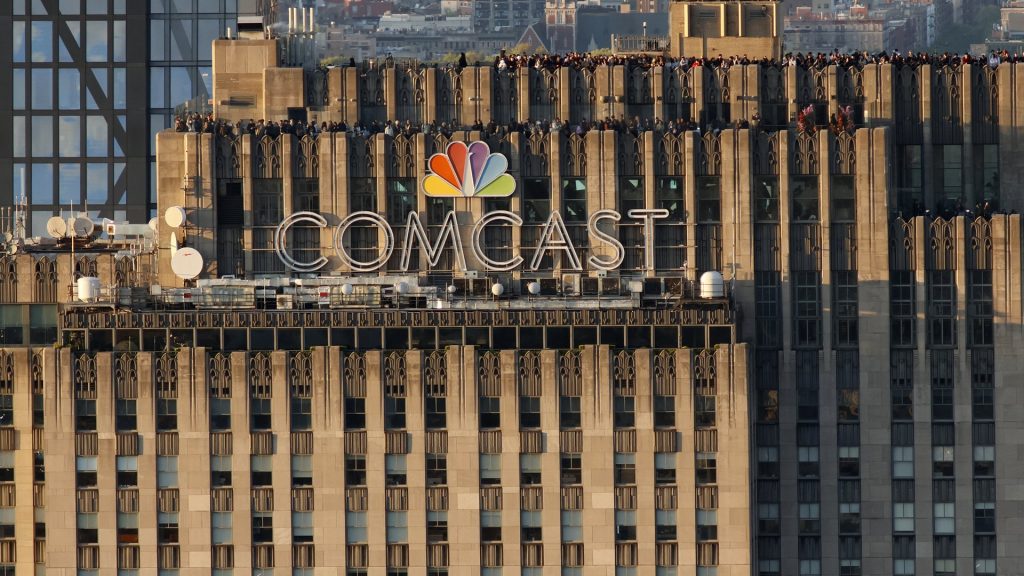
The media landscape has undergone, and will continue to undergo, significant changes this year. But what those changes look like varies drastically from company to company.
On Monday, Comcast announced plans to separate its tech and media businesses, creating two publicly traded companies: Comcast and NBCUniversal. The move, Comcast says, allows the company to compete and win in changing markets.
The move to separate its two entities, however, is the polar opposite of what Paramount Skydance is doing through its acquisition of Warner Bros. Discovery. Rather than separating, it’s consolidating all its businesses under one umbrella.
So why the different courses of action?
What Comcast is doing and why
In its announcement Monday, Comcast said the separation will put each company in a better position to “pursue its own strategic priorities, invest for growth and create long-term shareholder value as independent entities.”
Comcast will focus on serving its residential and business customers through broadband, wireless and entertainment platforms, while NBCUniversal will continue to serve as a global media and entertainment company.
“The transaction we are announcing will unlock a more entrepreneurial management approach and open up a multitude of new opportunities for each business,” Brian Roberts, Comcast’s chairman and co-CEO, said in a statement.
The separation will also allow the companies to narrow their competition to businesses within specific industries.
Comcast followed a similar strategy earlier this year when it created Versant, which owns the cable networks CNBC and MS Now. In its first earnings report, Versant showed solid cash flow and strong growth in its digital and ticketing platforms.
Paramount’s take
Paramount Skydance is taking a different approach by consolidating. In June, the Justice Department gave the green light for Paramount to acquire Warner Bros. Discovery.
With the acquisition, Paramount will take over Warner Bros. Studios, plus its entire catalog, its streaming platforms and CNN, putting some of the biggest names in media under one roof.
Consolidation, the Media Institute says, is the way of the future. In a 2025 article, the institute says fragmentation is fatal and consolidation is “the moat against extinction,” allowing media companies to compete with the likes of Amazon and Google. The institute says those companies’ reach is “a level of market power no individual broadcaster, however resourceful, can match without scale.”
Round out your reading
- America at 250: Straight Arrow’s week-long look at the pressures testing modern America.
- Ketamine is booming in America. The reasons go beyond drugs.
- Cluster of AI news sites suddenly goes dark after human reporter starts asking questions.
- A 79-year-old, obese, well-connected man gained exclusive access to a new weight loss drug. Is it Trump?
- Newsom pushes national wealth tax after opposing California billionaire tax.
Ella Rae Greene, Editor In Chief