White House vows appeal as Comey responds to tossed indictments
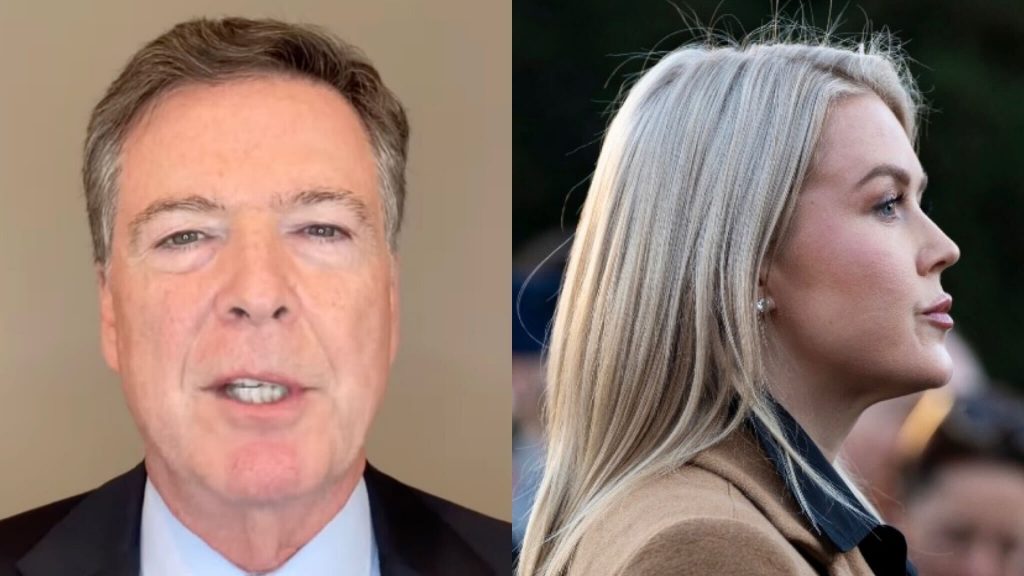
The White House is pushing back on a federal judge’s decision to throw out criminal cases against former FBI director James Comey and New York Attorney General Letitia James. White House Press Secretary Karoline Leavitt says the Justice Department is preparing to appeal.
Why the judge tossed the indictments
U.S. District Judge Cameron McGowan Currie on Monday dismissed the indictments. She ruled that Lindsey Halligan, the Trump-appointed prosecutor who brought both cases, was unlawfully appointed as interim U.S. attorney for the Eastern District of Virginia.
In a 29-page ruling, Currie wrote that “all actions flowing from Ms. Halligan’s defective appointment, including securing and signing Mr. Comey’s indictment, constitute unlawful exercises of executive power and must be set aside. There is simply ‘no alternative course to cure the unconstitutional problem.’”
Comey responds to ruling
Comey responded Monday evening in a video posted hours after the ruling. He said, “I’m grateful that the court ended the case against me, which was a prosecution based on malevolence and incompetence and a reflection of what the Department of Justice has become under Donald Trump which is heartbreaking.”
White House pushes back, says DOJ plans appeal
The ruling is a major setback for Trump’s push to prosecute two of his most prominent critics. However, the administration is signaling it has no intention of walking away.
Asked Monday about Trump’s reaction to the ruling, Leavitt told reporters, “His reaction was, we’ve seen this before, we have seen partisan judges take unprecedented steps to try to intervene in accountability before, but we’re not going to give up. And I know that the Department of Justice intends to appeal these rulings very soon.”
How Halligan was installed
Currie’s decision did more than erase two high-profile indictments. It took direct aim at the way Trump and Attorney General Pam Bondi installed Halligan, a former White House aide and one of Trump’s personal lawyers, into one of the country’s most powerful prosecutor jobs.
Halligan was tapped after Erik S. Siebert, the previous interim U.S. attorney, reportedly concluded there wasn’t enough evidence to charge Comey or James. Trump forced Siebert out and put Halligan in, even though she had no prior prosecutorial experience. Within days, she appeared alone before separate grand juries and secured indictments against both Trump adversaries.
Currie ruled that the law does not allow the attorney general to stack back-to-back interim U.S. attorneys in that way.
Once the first 120-day interim period runs out, she wrote, the power to make further temporary appointments shifts to the local district court until the Senate confirms a nominee. Allowing successive interim picks by the administration, she warned, would let the White House sidestep Senate confirmation indefinitely.

This story is featured in today’s Unbiased Updates. Watch the full episode here.
What happens next for both cases
The judge dismissed both sets of charges without prejudice, meaning the Justice Department could try to refile — particularly in James’s case — under a lawfully appointed prosecutor.
But for Comey, the timing is far more precarious. His lawyers argue the statute of limitations on his case ran out just days after his indictment in September. Currie’s opinion appeared to back that reading, noting that if an indictment is invalid when it’s issued, it does not stop the statute-of-limitations clock from running.
The post White House vows appeal as Comey responds to tossed indictments appeared first on Straight Arrow News.
Ella Rae Greene, Editor In Chief