What a rare ‘Atlantic Niña’ means for hurricane season
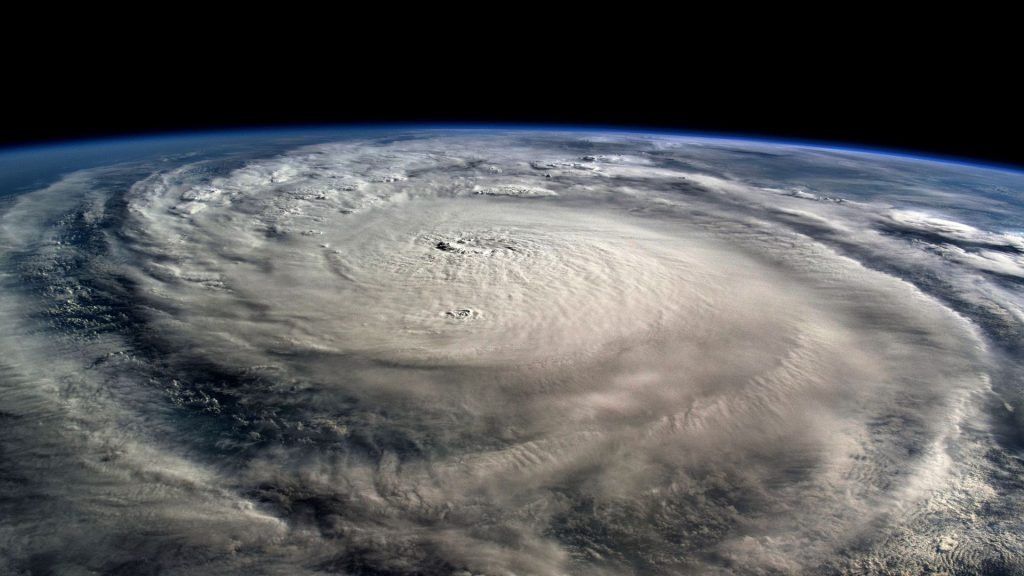
As tropical depression two continues to strengthen in the Gulf of Mexico, scientists say something else may be brewing in the Atlantic — a rare “Atlantic Niña.
The potential rare atmospheric phenomenon comes as the Pacific is dealing with its own “Super El Niño.” While the names are similar, the atmospheric conditions have different effects on the weather.
Scientists say these conflicting weather patterns could alter the Atlantic hurricane season and even change winter weather conditions further down the line.
What is an ‘Atlantic Niña’?
With an El Niño, temperatures in the Pacific Ocean warm up because trade winds, the permanent winds near the equator that push west, slow down or even reverse. That causes hot water on the surface to stay there and prevents cooler, deeper water from moving to the surface.
But an “Atlantic Niña” does the opposite. Instead of weaker trade winds, it creates stronger winds, churning cold water deep from the Atlantic to the surface and cooling overall surface temperatures.
Scientists say it’s still too early to tell if an “Atlantic Niña” has formed. Franz Philip Tuchen, an assistant professor at the University of Miami’s Department of Ocean Sciences, told The Hill that data from parts of the Atlantic are showing signs pointing in that direction.
“If this event persists, there is a high chance of an Atlantic Niña forming,” Tuchen told the outlet.
Researchers say they won’t be able to confirm the weather pattern has officially formed until later in the summer, after they’ve collected more data, according to The Hill.
The “Atlantic Niña” is quite rare, meteorologists say. According to Severe Weather Europe, if researchers confirm its formation, this year would only be the sixth time an “Atlantic Niña” has formed in over 40 years.
How could this impact hurricane season?
Unbiased. Straight Facts.TM
The deepest part of the Atlantic Ocean is the Milwaukee Deep, which plunges to depths of more than 27,000 feet.

Since an “Atlantic Niña” cools water near the equator off the coast of West Africa, it disrupts African easterly winds. These thunderstorm clusters serve as seedlings for many Atlantic hurricanes, including some of the strongest storms that eventually threaten the U.S.
When cooler water makes it harder for these waves to organize, fewer of them reach the parts of the Atlantic where storms typically develop and strengthen. Meteorologists say this will lead to fewer named storms forming in the Atlantic, essentially shielding the United States.
An El Niño in the Pacific also weakens Atlantic hurricane activity, according to the National Oceanic and Atmospheric Administration, since it increases vertical wind shear across the region. Stronger vertical wind shear makes it harder for thunderstorms to form into hurricanes and other major storms in the Atlantic.
But that doesn’t mean there won’t be hurricanes this season. Meteorologists predict tropical depression two to strengthen into Tropical Storm Bertha on Monday and are currently predicting it to make landfall this week along the Gulf Coast.
Colorado State University’s seasonal hurricane forecast still predicts nine named storms and at least one major hurricane forming this season.
What else are meteorologists looking at?
Meteorologists say El Niño in the Pacific may also shift winter weather conditions in the U.S. According to Severe Weather Europe, El Niño winters raise the odds of a weaker jet stream and a disrupted polar vortex, especially alongside a separate stratospheric wind signal the group is also tracking.
That disruption could let frigid Arctic air creep its way into North America, causing more extreme winter conditions. The “Atlantic Niña” isn’t a direct driver of that pattern on its own, but meteorologists are watching it as a corroborating clue. They say the same atmospheric setup behind this summer’s quiet hurricane season is the kind of pattern they’d expect to see ahead of a disrupted winter.
Round out your reading
- From Obama to Trump to Biden: When networks said ‘no’ to presidential speeches.
- ‘The end of American science as we know it.’ White House funding plan sparks alarm.
- AI data centers are popping up everywhere. What exactly do they do?
- The Trump administration is accused of breaking a law built to target the KKK.
- One Republican senator is dead, another is still alive. Both are the center of conspiracy theories.
Ella Rae Greene, Editor In Chief