US hospitals report broad infection declines, safer outcomes in the NICU
Each year, hundreds of thousands of people in the U.S. develop an infection during or soon after receiving medical care. About 72,000 people die from those infections — called hospital-associated infections or HAIs — according to the Centers for Disease Control and Prevention (CDC).
Fortunately, the number of HAIs fell in 2024, continuing a decline from COVID-era highs, according to a new federal report. The new data marks the third straight year of nationwide declines in hospital-acquired infections following steep increases between 2019 and 2020, when many of these infections rose by about 40% or more.
The CDC analyzed data from nearly 40,000 hospitals and health care facilities and found that most major types of infections patients can pick up during a hospital stay fell between 2023 and 2024.
Bloodstream infections linked to central IV lines — when an IV is inserted into the neck, chest or groin instead of the arm or hand — dropped by about 9%. Urinary tract infections related to the use of catheters fell by 10%. Hospitals reported fewer cases of Clostridioides difficile infections, a bacterial infection often tied to antibiotic use that targets the gut and causes diarrhea, abdominal pain and fever, among other symptoms. Infections from methicillin-resistant Staphylococcus aureus, often known as MRSA, fell by about 7% while surgical site infections after colon surgery dropped by 4%.
Before the pandemic, hospital infection rates had declined steadily for several years. Experts attribute much of that progress to improved infection control practices and federal policies that financially penalized hospitals with high rates of preventable infections and injuries.
The 2024 data is the most current; the CDC has not provided any update on hospital-associated infections in 2025.
While the latest data show progress, the CDC has called for more action to reduce hospital-associated infections. Last year, the Trump administration sunsetted the Healthcare Infection Control Practices Advisory Committee, a federal advisory group that provides recommendations on infection prevention.
Pandemic measures prevented infections
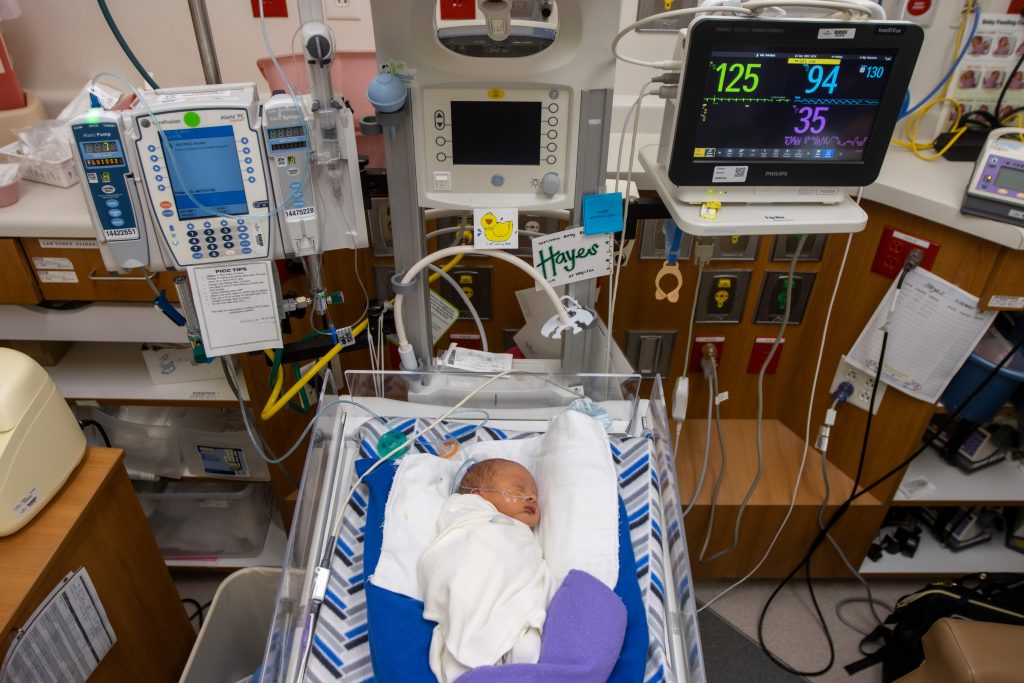
Researchers have long sought solutions to the troubling rate of infections that plague patients in health care settings. While nationwide data showed a huge uptick in hospital-associated infections during COVID-19, the same was not true for the nation’s tiniest patients. A new study, published last week, found that enhanced, pandemic-era disease prevention efforts were linked to a sharp decline in viral infections in neonatal intensive care units during that time.
Researchers analyzed data from nearly 50,000 infants hospitalized in 12 neonatal intensive care units across the U.S. and Canada. The clinicians compared infection rates from 2018 and 2019 with rates during the pandemic, when enhanced infection control practices such as universal masking, stricter hand hygiene and limiting the number of visitors were implemented.
The analysis revealed that viral infections dropped by more than half during the pandemic; the lower rates persisted even as respiratory viruses began circulating more widely again in the community. That pattern suggests that the decline was driven by changes inside hospitals, rather than by lower exposure outside.
While the number of infections caused by viruses declined, the enhanced infection control efforts did not reduce the transmission of bacteria and fungi. The study’s authors suggested that additional targeted measures are needed to curb bacterial and fungal infections.
The post US hospitals report broad infection declines, safer outcomes in the NICU appeared first on Straight Arrow News.
Ella Rae Greene, Editor In Chief