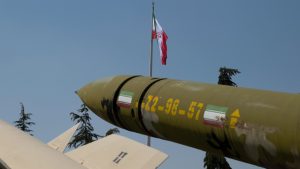
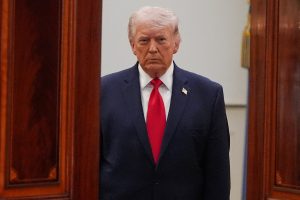
US and Iran to resume nuclear talks as Israel presses strike option
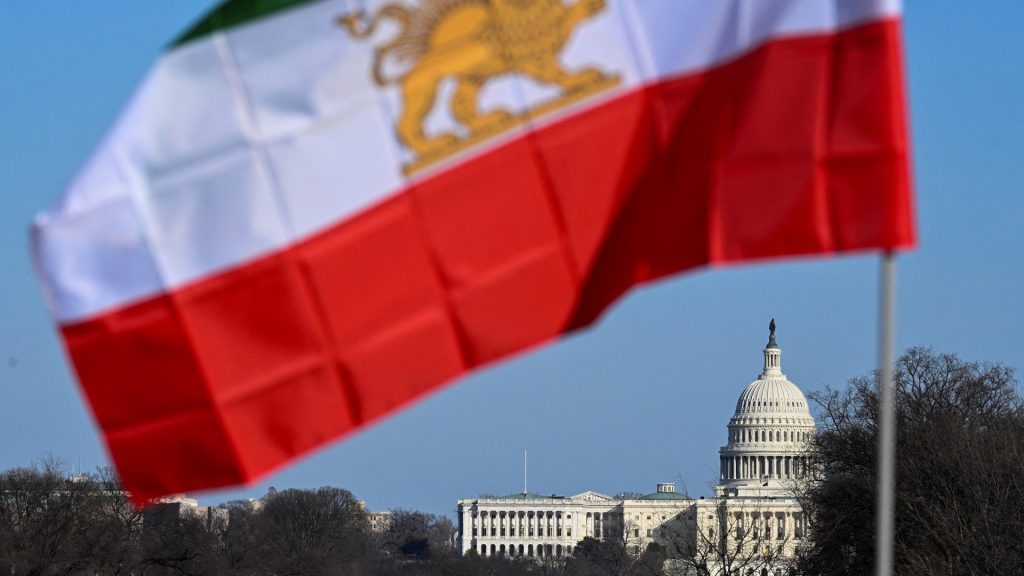
Iran’s foreign minister is in Geneva for a second round of indirect nuclear talks with the United States this week. The Trump administration says it remains focused on diplomacy, while preparing military contingencies if negotiations fail.
According to Iranian state media, Foreign Minister Abbas Araghchi arrived in Switzerland on Monday after an initial round of talks in Oman last week. Oman will again mediate the upcoming meetings, centered on Iran’s nuclear enrichment program and its stockpile of highly enriched uranium.
Secretary of State Marco Rubio confirmed that U.S. envoy Steve Witkoff is traveling for the talks and said the administration’s priority remains negotiation.
“We are focused on negotiations. That’s what we’re focused on. The president’s made that clear,” Rubio said during a news conference in Slovakia. “If that changes, it’ll be obvious to everyone.”
Diplomacy paired with military leverage
While negotiations move forward, the United States has increased its military presence in the region. President Donald Trump said Friday that the USS Gerald R. Ford aircraft carrier will deploy to the Middle East, joining existing U.S. assets.
CBS News reported that Trump previously approved support for potential Israeli strikes targeting Iran’s ballistic missile program if a deal cannot be reached. Internal U.S. discussions have examined how Washington could assist Israel, including aerial refueling and securing overflight permissions, according to U.S. officials cited by the network.
Rubio described the military posture as protective and said the U.S. is positioned to defend its forces if necessary.
“We are postured in the region for one simple reason, and that is that we understand that there could be threats to our forces in the region,” Rubio said. “We’ve seen them be threatened in the past, and we want to make sure that we have sufficient capacity to defend them, if God forbid that were to happen.”

Disputes over enrichment and scope
Iranian officials have signaled a willingness to curb some enrichment in exchange for sanctions relief. But Tehran has rejected a demand for zero uranium enrichment, a position U.S. officials have maintained.
Iran’s deputy foreign minister told the BBC that the “ball was in America’s court” to demonstrate it wants a deal. Iranian officials have pointed to possible economic cooperation, including energy and aviation, as part of negotiations.
Trump withdrew the United States from the 2015 nuclear agreement in 2018 and reinstated sanctions. Iran has since expanded enrichment to levels close to weapons-grade, though it maintains its program is peaceful.
Netanyahu demands broader terms
Israeli Prime Minister Benjamin Netanyahu has urged the U.S. to require more than nuclear limits. He’s called for dismantling Iran’s ballistic missile program and ending its support for regional proxy groups.
Netanyahu says Trump told him in Washington last week that he still remains optimistic that negotiations will prevail, but the prime minister remains skeptical.
“I expressed my skepticism of any deal with Iran because, frankly, Iran is reliable on one thing — they lie and they cheat,” Netanyahu said Sunday.
Netanyahu has also said any agreement must require all enriched material to leave Iran and include inspection mechanisms that prevent delays or concealment.
What happens next
The second round of talks is expected Tuesday in Geneva. Rubio has said that the administration will comply with applicable law in consulting Congress if military action becomes necessary.
For now, negotiations proceed under increased military pressure. The outcome will determine whether the diplomatic track continues or whether the conflict shifts to a military phase.
The post US and Iran to resume nuclear talks as Israel presses strike option appeared first on Straight Arrow News.
Ella Rae Greene, Editor In Chief