Trump revives 1930 trade law to hit Canadian goods with 50% tariffs
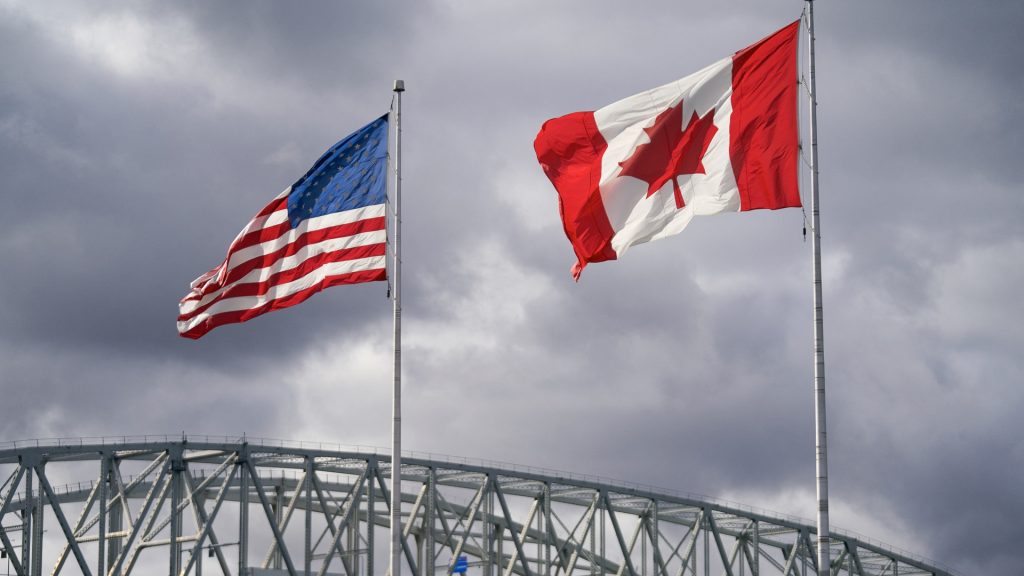
President Donald Trump signed orders Monday imposing new 50% tariffs on a broad range of Canadian goods, reaching back to a trade law written during the Great Depression after the Supreme Court limited his use of a separate tariff authority earlier this year. The new duties cover roughly $20 billion in imports and are scheduled to take effect in 30 days.
The tariffs cover a wide mix of Canadian imports, including wine, dairy products, cement, furniture and hockey equipment. The tariffs do not apply to energy products, potash, critical minerals or products already covered by existing steel, aluminum and other national security tariffs.
White House points to Canadian trade policies
Trump relied on Section 338 of the Tariff Act of 1930, which allows a president to impose tariffs of up to 50% on imports from countries found to discriminate against U.S. commerce. Trade lawyers said no president has used the law this way before.
The White House argued Canada gives other countries more favorable treatment than the United States in several industries, including motor vehicles, dairy and alcohol. Officials also pointed to Canadian restrictions on U.S. alcohol and dairy products, saying those policies put American exporters at a disadvantage.

The order also ends an exemption that had allowed many goods covered by the United States-Mexico-Canada Agreement to avoid earlier tariffs. Trump negotiated the trade pact during his first term.
White House says wildfire dispute not behind tariffs
Last week, Trump threatened additional tariffs after wildfire smoke from Canada spread into parts of the Northeast and Midwest, accusing Canada of failing to manage its forests.
A senior administration official said Monday those comments were separate from the new tariff order, saying the administration instead relied on Canada’s treatment of U.S. auto, dairy and alcohol exports.

Trump and Canadian Prime Minister Mark Carney appeared together at the FIFA World Cup final Sunday, less than a day before the tariffs were announced.
Ontario calls for a matching response
Ontario Premier Doug Ford urged Canada to answer with its own tariffs.
“I’ll never stop fighting to protect Ontario,” Ford wrote on X. “If these tariffs proceed, Canada should respond tariff for tariff, dollar for dollar.”
Ford later said Canada has repeatedly helped the United States battle major wildfires and argued Trump should remember that before criticizing Canada’s response this year.
“You gotta remind President Trump that there’s 3.9 million acres burning in the United States right now,” Ford said. “Rather than criticize and threaten Canada, your closest friends, maybe one day you’re going to need our help like you did last year.”
Trade lawyer Ryan Majerus told The New York Times he expects Trump’s use of Section 338 to face court challenges because no administration has relied on the law this way before.
Round out your reading
- From Obama to Trump to Biden: When networks said ‘no’ to presidential speeches.
- ‘The end of American science as we know it.’ White House funding plan sparks alarm.
- AI data centers are popping up everywhere. What exactly do they do?
- The Trump administration is accused of breaking a law built to target the KKK.
- One Republican senator is dead, another is still alive. Both are the center of conspiracy theories.
Ella Rae Greene, Editor In Chief