This field drug tests confused bird poop for cocaine. It has led to thousands of arrests, anyway
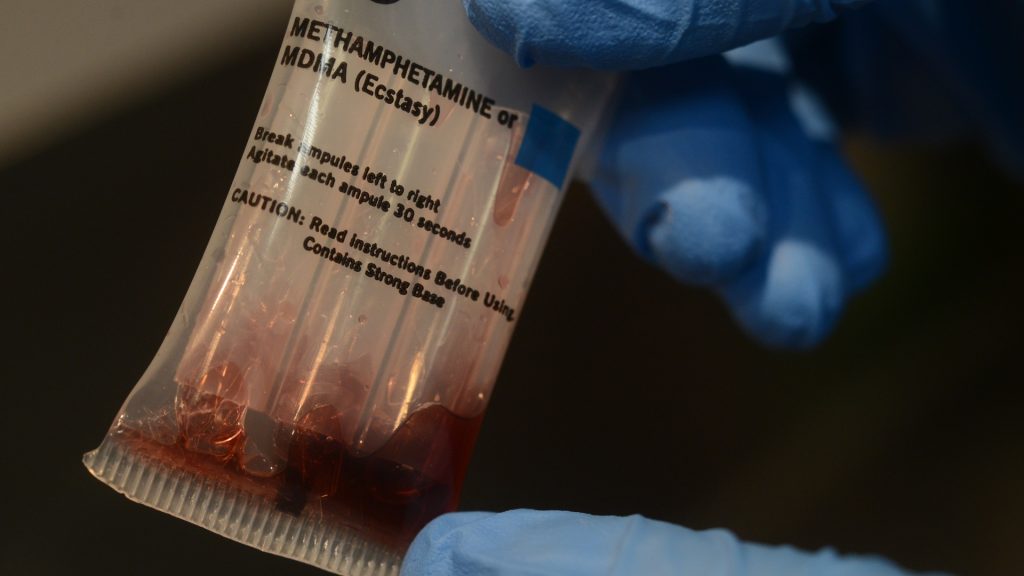
Bird poop, cotton candy, donut glaze — or cocaine? Law enforcement agencies across the country are using a roadside drug test that is mistaking common foods, medications and even bird poop for illegal drugs. The result has been thousands of unwarranted arrests.
The colorimetric field drug test involves taking a sample of a suspected illicit substance and placing it in a tube or pouch containing chemical reagents. If the coloring in the tube or pouch changes, it may indicate that illegal drugs are present.
But reactions can occur if the substance has similar compounds to amphetamines.
“For example, the chemical characteristic of amphetamine has similar characteristics to the chemical compound for sugar,” Des Walsh, founder of the Roadside Drug Test Innocence Alliance, told CNN. He said innocent people “are at risk of having their lives derailed by these inaccurate tests.”
With the test leading to an estimated 30,000 wrongful arrests a year, one state is pushing back.
Study shows significant error rate
A study by the University of Pennsylvania found an error rate of 15% to 38% for the colorimetric field drug test. Many of those false positives lead to arrests, according to the study, published in December 2023.
Researchers found that the test provided the basis for about 773,000 arrests nationwide in a single year — but that 30,000 of those arrests were the result of false positives.
“The use of presumptive field tests in drug arrests is one of the largest, if not the largest, known contributing factor to wrongful arrests and convictions in the United States,” the study said.
In Colorado, for instance, a hospitalized woman was charged with cocaine possession after officers tested a substance in her purse. Months later, and after refinancing her house to afford additional testing and an attorney, her charges were dismissed. A lab found the substance was, in fact, not cocaine.
She was lucky, Walsh told CNN.
“Over 90% of people are taking a plea deal because they can’t afford to remain in jail,” he said.
Researchers recommended blind audits on the test to determine accuracy, using more accurate testing and requiring confirmatory testing to ensure the results are accurate.
However, the most stark recommendation was that law enforcement stop using the test entirely. It’s been two years since the UPenn study was released, and only one state has taken action, and it happened last month.
Colorado passes law combating faulty roadside test
In March, the Colorado House and Senate unanimously passed a bill that bans police from making misdemeanor drug arrests solely based on the results of a colorimetric field drug test, becoming the first state in the nation to do so.
Instead, if police suspect drugs are present and colorimetric test results confirm the suspicion, officers must issue a summons to appear in court.
Further, the law requires courts to inform defendants, before they plead, of the known error rates for the drug test and allow them to request testing from a forensics lab. While the law could delay proceedings, it’s an effort to ensure Americans aren’t spending time behind bars for a false positive drug test.
In addition to the state of Colorado, Reason reported that numerous prison systems and police departments across the country have stopped using colorimetric kits, although they still remain widely used nationwide.
The only other law currently in place regarding colorimetric testing is in Nebraska. Gov. Jim Pillen approved a law allowing incarcerated individuals to challenge colorimetric test results.
Ella Rae Greene, Editor In Chief