‘Reckless’: Sen. Duckworth calls for TSA to scrap shoes-on policy
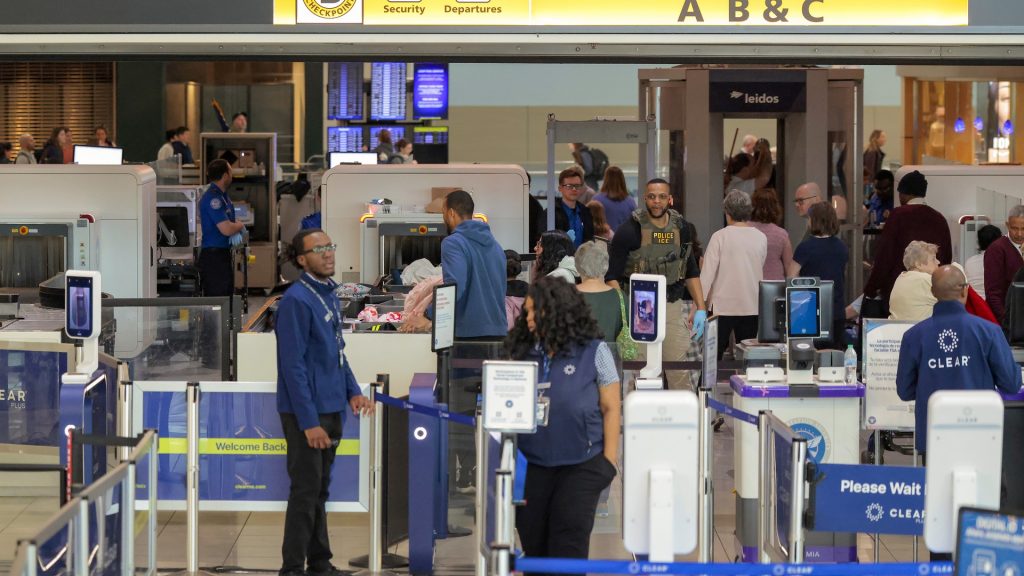
When you go through airport security these days, you may not have to take off your shoes anymore — but one Democratic senator says that could be a mistake.
Sen. Tammy Duckworth, D-Ill., is calling on the TSA to reverse its “shoes-on” policy, arguing it could put travelers at risk. In a letter Friday to acting TSA administrator Nguyen McNeill, obtained by CBS News, Duckworth called the policy a “reckless act” that may be endangering the public.
Duckworth serves as a ranking member of the Senate subcommittee that oversees aviation.
Duckworth cites watchdog findings
Duckworth’s concerns stem from a Department of Homeland Security inspector general investigation that found the policy created a new security vulnerability.
According to CBS News, the report found TSA scanners are ineffective at screening shoes, raising the risk that threats could go undetected.
Duckworth said those concerns were raised to former Homeland Security Secretary Kristi Noem, but the department did not take any corrective action. She called the lack of response “outrageous, unacceptable and dangerous to the flying public.”
“TSA’s failure to swiftly implement corrective action warrants the immediate withdrawal of Secretary Noem’s reckless and dangerous policy that increases the risk of a terrorist smuggling a dangerous item onto a flight,” Duckworth wrote.
She also said the TSA may have violated federal law by failing to address the watchdog investigation’s findings, including missing a 90-day deadline to outline corrective steps.
“Such inaction violates Federal law, Office of Management and Budget (OMB) guidance and DHS’s own directives,” Duckworth wrote.
History of TSA shoe policies
Noem implemented the shoes-on policy during her tenure as DHS secretary, saying the move would streamline TSA security processes and shorten lines at airports.
The department said the change would not put passengers at risk thanks to its “cutting-edge technological advancements and multi-layered security approach.”
The policy replaced rules put in place after the early 2000s “shoe bomber” plot, when a passenger tried to detonate explosives hidden in his shoes on a U.S.-bound flight.
Ella Rae Greene, Editor In Chief