Pope Leo XIV’s encyclical on AI warns of threats to human dignity in the digital age
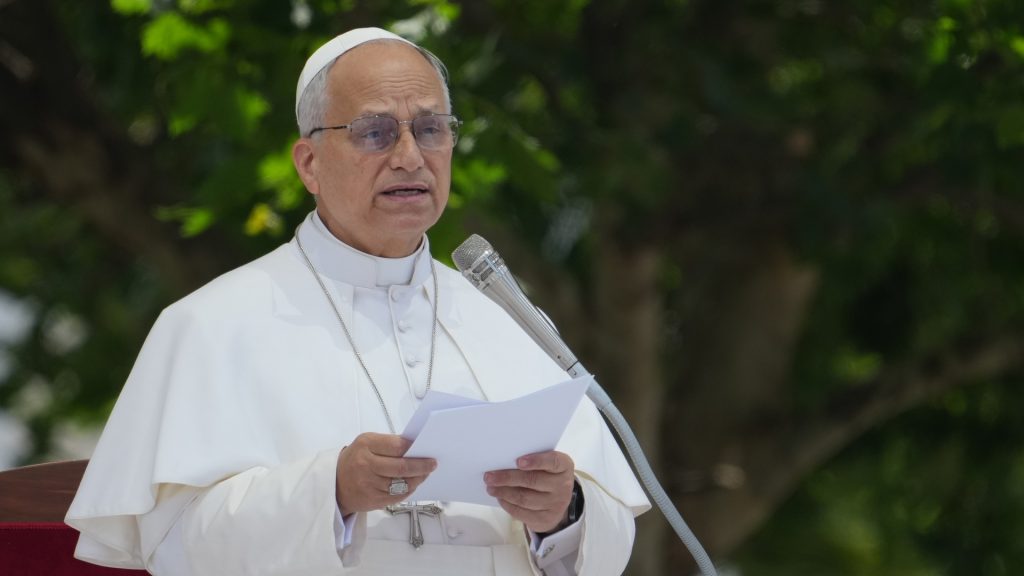
On Monday, Pope Leo XIV will release his first encyclical, titled “Magnifica humanitas” (The Greatness of Humanity). According to the Vatican, the document focuses on safeguarding the human person in an age increasingly shaped by artificial intelligence and digital systems.
An encyclical is a letter written by the Pope addressed to Catholic bishops but meant for the whole Church. The letter either clarifies Church doctrine, provides moral guidance, or addresses social and cultural issues.
In a recent social media post, the pope hinted at the letter’s contents. He said the widespread promotion and implementation of technology “at the expense of human dignity” reflects an “eclipse of the sense of what it means to be human.” He added that the central challenge facing society is “not technological, but anthropological,” calling for a renewed understanding of human identity grounded in spiritual and moral principles.
Anthropic co-founder Chris Olah is set to speak at the presentation of the encyclical.
“The questions posed by AI are bigger than the AI community,” Olah said on X. “We urgently need the world — religions, civil society, academics, governments — to participate in creating a positive outcome.”
According to a Vatican statement, the encyclical bears the date May 15, marking the anniversary of “Rerum novarum.” That encyclical was written in 1891 by Pope Leo XIII. It addressed workers’ rights during the Industrial Revolution.
The encyclical comes as religious leaders and theologians deal with the growing influence of AI across nearly every aspect of society.
In a recent interview with Straight Arrow, Grant Kaplan, a theology professor at Saint Louis University, said the pope’s focus reflects concern over how emerging technologies challenge traditional ideas of human uniqueness. He noted that tools such as large language models can now replicate forms of intellectual and creative work once seen as distinctly human.
“That’s the real question of what human dignity looks like if we can’t even be sure whether a poem is written by a computer or a human,” Kaplan said.
Kaplan also pointed to reports that the pope has discouraged clergy from relying on AI to prepare homilies. He framed the issue as part of a broader ethical concern about authenticity and responsibility in religious life. Kaplan compared the potential use of AI-generated sermons to past instances of plagiarism among clergy.
“If they’re abandoning reflection and just putting a prompt into AI, it doesn’t reflect well on their ethical standards,” he said, emphasizing the expectation that religious leaders personally engage with sacred texts.
The debate extends beyond clergy, reflecting wider public unease with the role of technology in daily life. Kaplan said many people recognize the potential downsides of digital dependence but feel uncertain about how to respond, particularly in the absence of strong political leadership on the issue.
He added that some technology leaders have promoted ideas about a “post-human” future involving closer integration between humans and machines.
While the Catholic Church has historically engaged with technological change, Kaplan said the current pace of innovation has raised new concerns about the need for ethical limits and cultural reflection.
Round out your reading
- They built an Epstein files library, but realized they couldn’t let everyone read them.
- The doctor who claims functional medicine reversed her MS.
- For many Americans, ‘one more round’ no longer serves their lifestyle or budget.
- Trump claimed economic data is ‘rigged.’ Former officials pledge to ‘watch like hawks’ for political manipulation.
- We’re building a new Straight Arrow. Help us shape our future by taking our survey.
Ella Rae Greene, Editor In Chief