Police who defended Capitol on Jan. 6 sue over Trump compensation fund
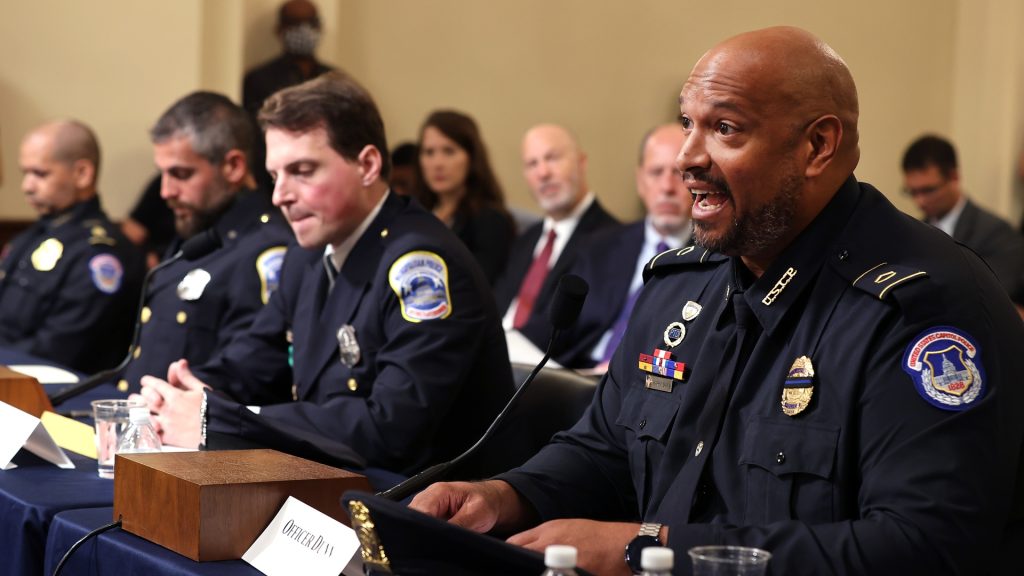
Former Capitol Police officer Harry Dunn and D.C. police officer Daniel Hodges filed a federal lawsuit Wednesday seeking to stop the Trump administration’s new $1.776 billion “Anti-Weaponization Fund,” arguing the program could ultimately steer taxpayer money toward people involved in the Jan. 6 attack on the U.S. Capitol.
The filing opens the first legal challenge to a program the administration says is designed to compensate people who believe they were unfairly targeted by the justice system.
No payments have been made from the fund.
Officers challenge how the fund was established
Dunn and Hodges named President Donald Trump, acting Attorney General Todd Blanche and Treasury Secretary Scott Bessent as defendants. Their lawsuit argues the administration overstepped its authority by creating the program without congressional approval and by using federal settlement money for a purpose Congress never authorized.
The administration established the fund through an agreement tied to Trump’s lawsuit against the IRS over the disclosure of his tax records. Trump agreed to drop the lawsuit, while the administration moved forward with creating a nearly $1.8 billion fund for people who claim they were victims of a “weaponized” legal system.
The Washington Post reports the money would come from the federal Judgment Fund and be distributed through a five-member commission selected by Blanche.
The complaint uses unusually direct language in describing the arrangement, calling it “the most brazen act of presidential corruption this century” and accusing the administration of establishing “a taxpayer-funded slush fund” for people who committed violence in Trump’s name.
Jan. 6 remains central to the dispute
Administration officials have repeatedly said the fund is not limited to Jan. 6 defendants and is open to anyone who believes they were unfairly prosecuted or investigated.
Dunn and Hodges argue the practical result could be much narrower than the public explanation. Their lawsuit points to reporting and public statements surrounding the fund and argues that people charged in connection with the Capitol attack could seek payments through the process.
More than 1,500 people faced charges tied to the Jan. 6 riot, and Trump later issued nearly 1,600 pardons and commutations connected to those cases.

Questions over eligibility surfaced again this week during testimony on Capitol Hill. Blanche declined to rule out payments to people convicted of violent assaults on police officers during the attack.
“As was made plain yesterday, anybody in this country is eligible to apply if they believe they were a victim of weaponization,” Blanche said.
Lawsuit cites constitutional restrictions
The lawsuit also argues the fund violates constitutional limits related to insurrection and rebellion.
Dunn and Hodges point to the 14th Amendment, which states that “neither the United States nor any State shall assume or pay any debt or obligation incurred in aid of insurrection or rebellion against the United States.”
Dunn and Hodges were among the officers who later testified publicly about the violence they experienced during the Capitol attack. More than 140 law enforcement officers were injured during the riot.
The Justice Department defended the administration’s position Wednesday, arguing previous administrations improperly used federal resources against political opponents.
Round out your reading
- They built an Epstein files library, but realized they couldn’t let everyone read them.
- The doctor who claims functional medicine reversed her MS.
- For many Americans, ‘one more round’ no longer serves their lifestyle or budget.
- Trump claimed economic data is ‘rigged.’ Former officials pledge to ‘watch like hawks’ for political manipulation.
- We’re building a new Straight Arrow. Help us shape our future by taking our survey.
Ella Rae Greene, Editor In Chief