OPEC+ to lift oil output slightly as war risks tighten global market
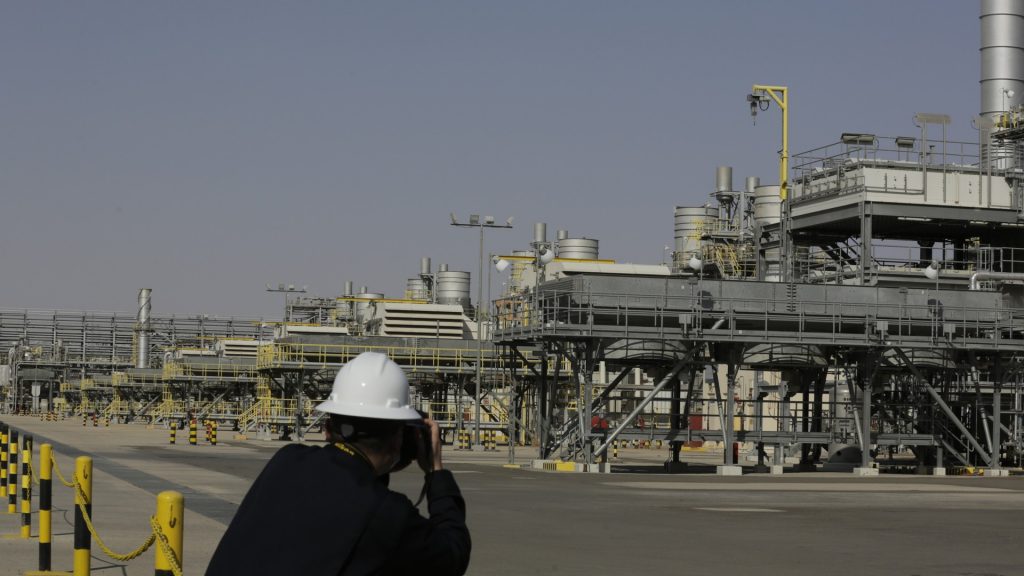
Eight key members of the OPEC+ alliance agreed Sunday to an increase in oil production next month while warning that war-related disruptions and attacks on energy infrastructure are escalating price swings in global markets.
Saudi Arabia, Russia, Iraq, the United Arab Emirates, Kuwait, Kazakhstan, Algeria and Oman said they would raise output by a combined 206,000 barrels per day starting in May.
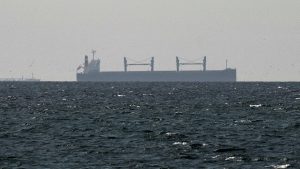
The decision came after the group held a virtual meeting to review market conditions amid escalating regional tensions and concerns about the security of shipping lanes and energy facilities. The Strait of Hormuz, which 20% of the world’s oil supply flows through, has been closed since the U.S. and Israel’s war with Iran started on Feb. 28.
In a statement, the countries reaffirmed their commitment to stabilizing the oil market, stressing that the latest increase could be paused or reversed if conditions worsen. They also left open the possibility of restoring, in part or in full, the voluntary cuts announced in April and November 2023, depending on how supply and demand evolve.
“The committee stressed that any actions undermining energy supply security, whether through attacks on infrastructure or disruption of international maritime routes, increase market volatility,” the group said.
The eight countries also reiterated their commitment to fully compensate for any overproduction since January 2024 and to comply with the broader Declaration of Cooperation. Compliance will continue to be monitored by the Joint Ministerial Monitoring Committee.
In addition to supply policy, the group voiced concern about attacks on energy infrastructure and praised member countries that have used alternative export routes to keep oil flowing.
The countries said they would continue meeting monthly to assess market conditions. Their next meeting is scheduled for May 3.
United States drilling remains unchanged
The OPEC+ decision comes as the United States shows little sign of a rapid drilling boom despite higher global prices.
As Straight Arrow News previously reported, U.S. crude oil production hit a record 13.6 million barrels per day in 2025, according to the Energy Information Administration. About 60% of the oil consumed in the United States is produced domestically, with most of the rest imported from Canada and Mexico. The U.S. is a net exporter of oil, but domestic prices are still set by the global market.
American producers, however, face higher costs than many of their Middle Eastern counterparts. New drilling in major shale regions such as the Permian Basin typically requires prices above $60 per barrel to break even, according to surveys of oil and gas companies.
“We have to rely on OPEC keeping the price up above our break-even cost in order to turn a profit,” Ed Hirs, an energy fellow at the University of Houston, told Straight Arrow News.
Before U.S. and Israeli strikes against Iran began in February, global oil markets were widely seen as oversupplied, with demand growth flat and OPEC+ gradually easing earlier production restraints. In January, U.S. benchmark West Texas Intermediate crude fell to about $55 per barrel.
Lower prices and investor pressure for discipline have helped curb drilling activity. Baker Hughes reported that the number of active U.S. oil rigs in mid-March was down by nearly 40 from a year earlier.
Ella Rae Greene, Editor In Chief