Oil prices jump after Iran strikes, Saudi refinery hit; Gas prices could rise
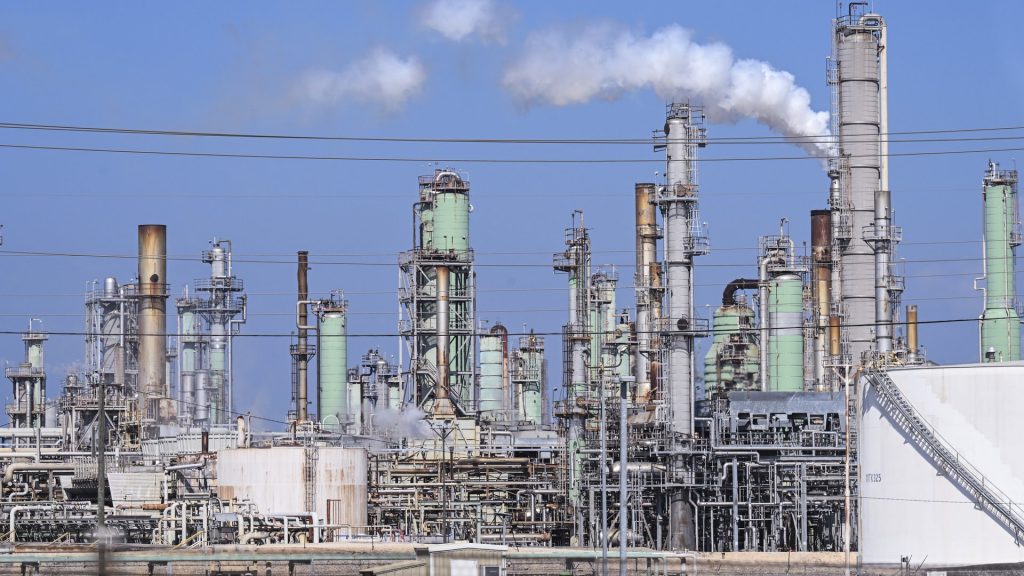
Oil prices surged more than 10% Sunday night after U.S.-Israeli strikes on Iran and retaliatory attacks targeting shipping and energy infrastructure in the Persian Gulf. Brent crude pushed toward $80 a barrel, an $8 jump within hours of trading resuming. If those gains hold, drivers could see higher gas prices within days.
U.S. crude rose roughly 12%, while the international benchmark climbed about 14% as traders recalibrated supply risk tied to the Strait of Hormuz.
Strait traffic disrupted
The pressure point is the Strait of Hormuz, the narrow corridor that moves more than 20% of the world’s oil supply.
At least two vessels were struck near the strait, and major shipping firms have begun diverting tankers away from the route. Dozens of ships are anchored outside the passage rather than risk transit.

Iran has warned vessels not to enter. A sustained slowdown there would tighten global supply quickly, given the volume of crude and liquefied natural gas that passes through the channel each day.
Saudi refinery halts operations
The conflict widened overnight when an Iranian drone hit an oil-storage facility at Saudi Aramco’s Ras Tanura refinery, Saudi officials said.
Operations were halted as a precaution after a small fire broke out. Officials said it was brought under control. Ras Tanura is one of Saudi Arabia’s primary refining and export hubs, with both processing facilities and a major offshore loading terminal.

The strike extends the conflict beyond shipping lanes and into core energy infrastructure.
Gas prices likely to follow
Retail gasoline prices tend to track crude, with historical estimates placing the pass-through at roughly 2 to 3 cents per gallon for every $1 move in oil.
If crude holds near current levels, drivers could begin to see higher prices within days, depending on wholesale markets and regional supply.
Price direction now hinges largely on whether traffic through the Strait of Hormuz stabilizes or remains constrained.
Ella Rae Greene, Editor In Chief