Netanyahu heeds Trump on Iran strikes as oil spikes, gas hits 2022 high
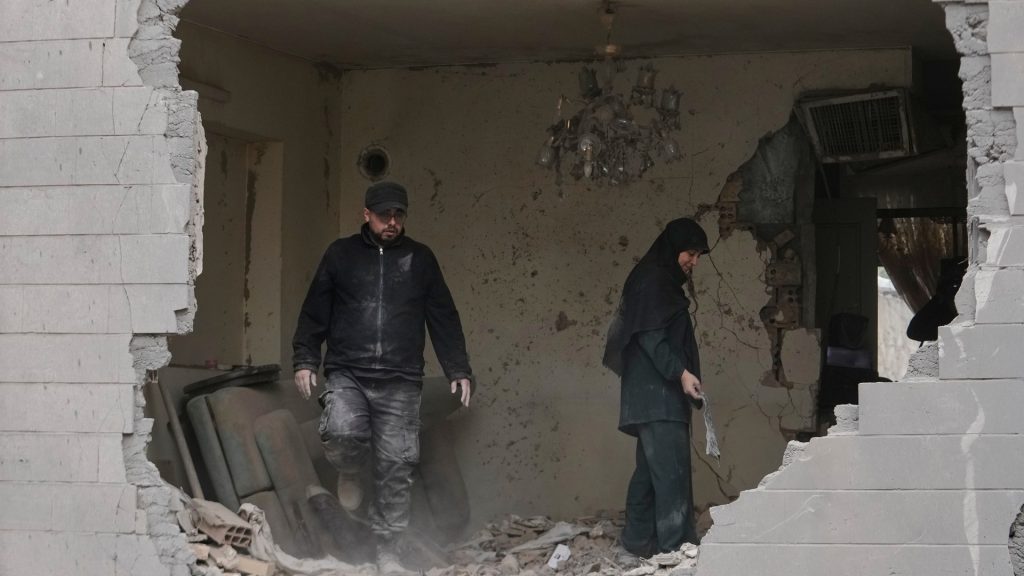
Israel launched a new round of strikes inside Tehran Friday morning as the war moved into its third week. Iran fired back with missiles into northern Israel, widening the conflict and pushing energy markets higher.
The Israeli military said it targeted infrastructure tied to the Iranian government in the capital. The strikes followed Israel’s decision to hold off on further hits to major Iranian energy sites.
Israel pulls back after gas field strike
Prime Minister Benjamin Netanyahu said Israel carried out the earlier strike on Iran’s South Pars gas facility on its own and will not repeat that specific operation for now.
“Israel acted alone against the Asaluyeh gas compound… President Trump asked us to hold off on future attacks and we’re holding out,” Netanyahu said.
His comments directly push back on earlier reporting that the strike was coordinated with the United States, contradicting claims from Trump that Washington had no prior knowledge.

U.S. and Israeli officials familiar with the operation say the U.S. was aware of the strike in advance.
Iran widens missile and drone attacks
Iran kept up its retaliation Friday with multiple waves of missiles and drones targeting Israel and other countries in the region.
Sirens sounded across northern Israel, including Haifa and areas near the Lebanese border. Emergency officials reported no fatalities, though some people were injured while rushing to shelters.

Iran also launched strikes on targets in Gulf states, including Kuwait, where air defenses intercepted drones and missiles.
Oil holds above $100 after volatile spike
Energy markets have been volatile following strikes on oil and gas infrastructure.
Global benchmark crude briefly surged above $119 a barrel before pulling back to around $110. Analysts say prices are likely to stay elevated with damage to energy facilities and shipping routes still disrupted.
The Strait of Hormuz — which carries about 20% of the world’s oil — has been largely shut for nearly three weeks, tightening supply.
U.S. gas prices are still climbing. The national average rose another three cents overnight to $3.91 a gallon — the highest level since October 2022.
Goldman Sachs says prices could remain above $100 for an extended period if disruptions continue.
Qatar’s Ras Laffan facility, the world’s largest natural gas processing site, has already lost export capacity after missile strikes.
U.S. targets vessels as allies weigh options
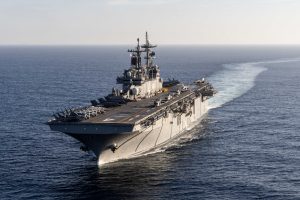
Meantime, the U.S. military is targeting Iranian mine-laying vessels and coastal sites to reduce threats to commercial shipping.
At the same time, international groups are working on a plan to move ships out of the Gulf. The United Kingdom has sent military planners to coordinate with the U.S., but there is still no agreement on how to fully reopen the strait.
Roughly 20,000 seafarers remain stranded in the region.
War funding fight builds in Washington
As Straight Arrow News has reported, the Trump administration is preparing to seek up to $200 billion from Congress to fund the war.
On Thursday in the Oval Office, Trump defended the expected request, arguing the cost is necessary to keep the military ready.
“We want to be sure… it’s a small price to pay to make sure that we stay tippy-top,” he said.

The proposal is already running into resistance, including from some Republicans who want clearer objectives and a defined timeline before approving more funding.
Ella Rae Greene, Editor In Chief