Nebraska begins Medicaid work requirements ahead of federal deadline
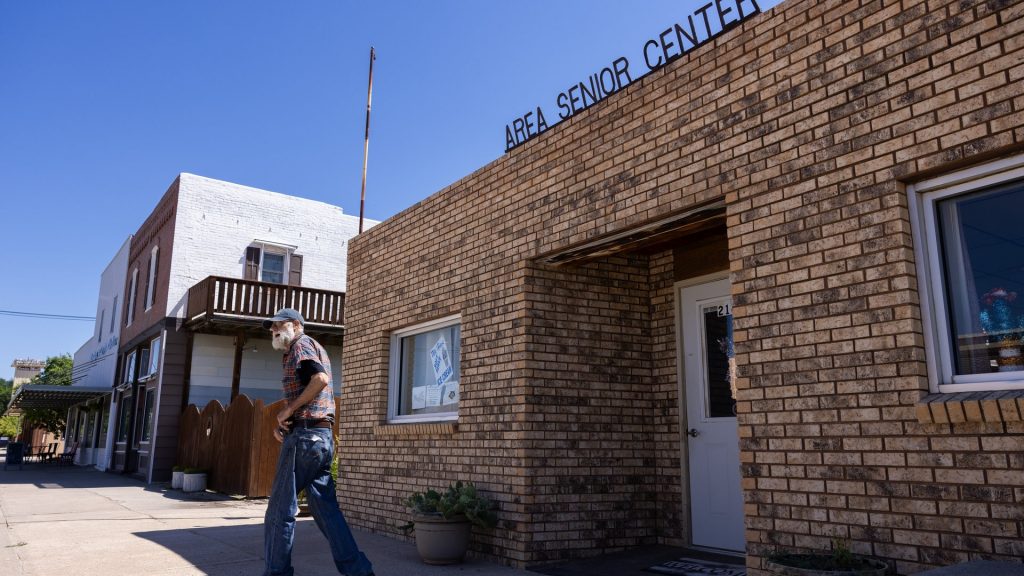
Nebraska’s Department of Health and Human Services on Friday began implementing new work requirements for certain Medicaid recipients, becoming the first state to roll out the policy ahead of a federal deadline.
State officials said the requirements, which apply to adults covered under Medicaid expansion, phased in starting May 1 and will be fully implemented through mid-2027. The changes stem from a piece of federal legislation, H.R. 1, known as the “One Big Beautiful Bill,” which mandates that states adopt work requirements for able-bodied adults ages 19 to 64 by Jan. 1, 2027.
Under the policy, most expansion enrollees must complete at least 80 hours per month of qualifying activities — such as employment, schooling, job training or volunteering — or meet an income threshold equivalent to working at the federal minimum wage. New applicants must comply immediately, while current enrollees will be evaluated at their next eligibility renewal.
“We want to make sure members know that they will not necessarily need to meet these new requirements as soon as they go into effect,” said Drew Gonshorowski, director of the Division of Medicaid and Long-Term Care in Nebraska. He added the agency will first try to verify compliance using existing data before requesting additional documentation.
State officials said outreach efforts included tens of thousands of mailed notices, texts and emails, along with advertising campaigns, to inform recipients of the changes.
Medicaid expansion covers low-income adults, including parents and individuals without dependent children. Nebraska officials said exemptions will apply to certain groups, including people with disabilities, pregnant individuals and those facing temporary hardships.
Nationally, the policy marks a significant shift in Medicaid eligibility rules and has drawn sharp debate among policymakers and researchers.
An analysis by Center on Budget and Policy Priorities estimates that between 9.9 million and 14.9 million people could be at risk of losing Medicaid coverage by 2034 under the new requirements, largely due to administrative hurdles and reporting rules. The group said many of those affected may already be working or qualify for exemptions but could still lose coverage because of paperwork issues.
Similarly, the Congressional Budget Office projected that Medicaid work requirements included in the law would lead to millions losing coverage, contributing to a broader increase of about 16 million uninsured people by 2034 when combined with other policy changes.
Research cited by policy groups and federal analysts has found that work requirements generally do not increase employment but instead can lead to coverage losses, delays in care and increased medical debt.
Some states have moved forward more quickly on the requirements than federally mandated, including Nebraska. A recent survey by KFF found that most states plan to implement them closer to the 2027 deadline, though a small number are opting for earlier rollouts or stricter verification processes.
The survey also found states are grappling with logistical challenges, including how to verify compliance, define exemptions and update eligibility systems in time.
In Nebraska, officials said most current beneficiaries will not see immediate changes and should continue reporting any updates that could affect eligibility. If the state cannot verify compliance through existing data, individuals will be contacted to provide additional information.
Medicaid eligibility in Nebraska includes a wide range of groups, such as low-income adults, children, pregnant women, seniors and people with disabilities. State officials emphasized that only a subset of expansion enrollees will be subject to the new work rules.
Round out your reading
- Scientists unearth new evidence on how the Grand Canyon was shaped.
- Why the Army is adding a second fitness test for combat.
- Illegal midwives, growing demand: The fight over home birth in America.
- 40 years after Chernobyl, the U.S. pushes nuclear power once again.
- We’re building a new Straight Arrow. Help us shape our future by taking our survey.
Ella Rae Greene, Editor In Chief