More teens are using AI chatbots than their parents think: Poll
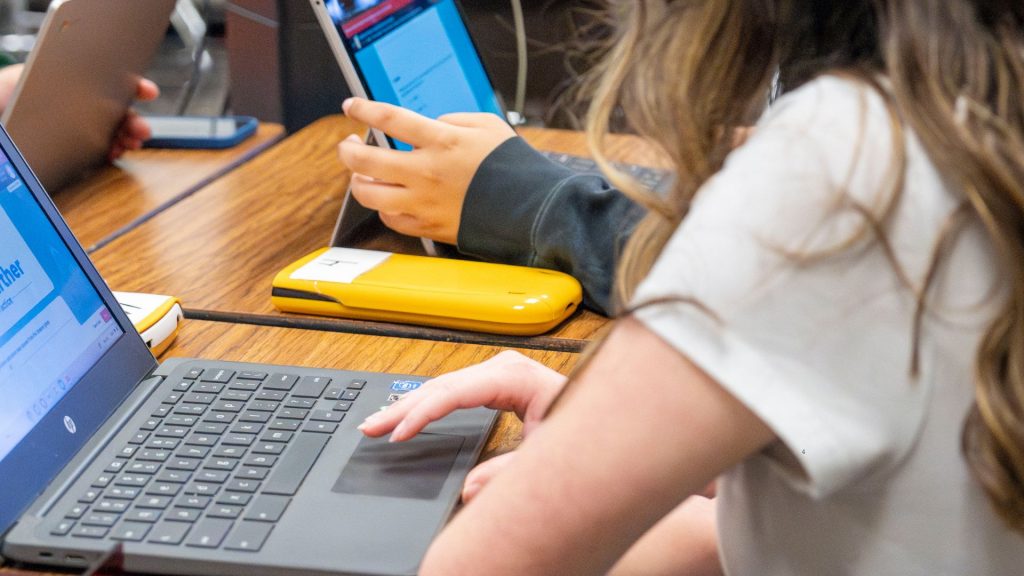
As artificial intelligence companies struggle with low adoption rates, one group is adapting to the technology with open arms — teens. According to a new Pew Research survey, most teens use AI chatbots, with many using them daily.
Chatbots have become a new fear for parents, as lawsuits allege ChatGPT and other programs led their children to mental health crises or worse. But the Pew survey found that very few teens are using chatbots as personal therapists. Teens are instead asking for help with math homework rather than their personal lives.
However, the survey did show that parents are unsure how their teens are using the software. Others didn’t even know their kids were using it.
How do teens use AI?
The majority of teens who use AI chatbots, 57%, said they used it to search for information, while 54% said they used it to help with schoolwork. Another 42% said they used it to summarize information, like books or articles.
Just 16% of teens say they use chatbots for casual conversation. This is apparent in the kind of chatbot used. In a separate Pew survey, only 9% of teens reported using Character.ai, a chatbot specializing in entertainment and companionship.
The vast majority of teens use ChatGPT, which is the most popular chatbot overall. Gemini’s usage among teens ranked second at 23%.
But the one topic teens rarely use AI for is emotional support or advice, according to the survey. Only 12% said they had used AI for that. Some have raised concerns after parents of a teen alleged that their child used ChatGPT to help with taking his own life.
One trend the survey found was the number of teens who believed others used AI to cheat in school. About 6-in-10 teens said students at their school sometimes use chatbots to cheat. Of those, 34% say it happens very or extremely often.
More teens view AI as a positive rather than a negative, but most, 34%, say it’s a mix of both. Among those who had a positive opinion of chatbots, most said they liked them because they made life easier. At the other end, most teens said overreliance on technology could lead to a loss of critical thinking or creativity.
Some studies suggest that those teens could be correct. A recent study specifically examining students who overrelied on AI chatbots found that they indeed had lower critical thinking scores.
What do parents think of their teens’ AI use?
While about 64% of teens report using AI chatbots, only about 50% of parents say their teens use the technology. Nearly 30% say they’re unsure, according to Pew.
The majority say they have talked to their children about AI usage, but 42% said they never have. Parents with higher incomes are more likely to talk to their child about chatbots, according to the survey.
Experts say it’s important for parents to speak with their children about using technology safely and properly, including AI. They say parents should explain to their children that chatbots can hallucinate or provide incorrect information. Parents should teach children to be skeptical of the answers chatbots produce and to question where those answers come from.
Parents are also encouraged to set boundaries for using chatbots by creating rules with their children, like not using them late at night. Another good suggestion is for parents to model healthy behavior for their kids and prioritize real-world connections over digital ones.
Ella Rae Greene, Editor In Chief