Memorial Day cookouts can dish out food poisoning, and it’s no picnic
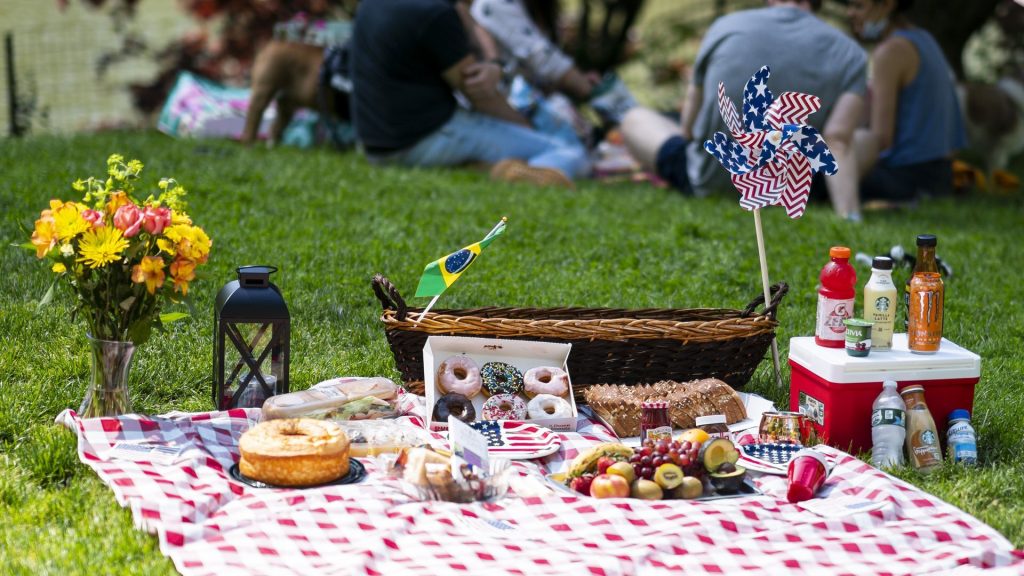
As Americans prepare for Memorial Day weekend gatherings, health experts warn that the combination of warm weather and outdoor dining can send people to the bathroom, hospital or morgue if the host isn’t vigilant about food safety.
According to the Centers for Disease Control and Prevention, nearly 9.9 million people in the United States contract foodborne illnesses each year, putting tens of thousands in hospital beds and killing hundreds more. Many cases go unreported, meaning the true number is likely much higher.
Picnics, barbecues and all-day grazing events are holiday weekend staples, so food safety specialists say awareness is key to preventing illness.
Jennifer Masloski, a support services assistant manager at Mercy Hospital St. Louis, says one of the biggest hazards at outdoor gatherings is how long food sits out.
“Anything that’s been sitting out for four hours or longer should go straight in the trash,” she said, noting that even foods left out for two hours begin entering a higher-risk window depending on heat and exposure.
She emphasized that many of our favorite summer foods become the most dangerous when left in the heat for too long.
“Anything that has a lot of protein in it, like anything that has mayo or any kind of meat or cheese or dairy products… if it’s been sitting out for more than four hours, you should pass,” Masloski said.
The ‘Danger Zone’ for Food
Masloski pointed to what food safety professionals call the “temperature danger zone”. This is the range of 41 to 135 degrees Fahrenheit where bacteria multiply most rapidly.
Outdoor gatherings often expose food to those temperatures for extended periods, particularly when dishes are left uncovered or not properly chilled while the cook’s busy flipping burgers.
Even foods people often consider safe, such as cut fruit, can quickly become risky.
Sliced watermelon, tomatoes and leafy greens are considered foods requiring time and temperature control, meaning they must be handled with the same caution as meats or dairy once they are cut.
Why Hygiene Matters Just as Much as Temperature
Bottom line: tell the kids to wash their hands before going back for more watermelon.
Masloski said hygiene is a major factor in preventing illness.
“The most common form of foodborne illness is actually called the fecal-oral route of contamination, meaning someone went to the bathroom and didn’t wash their hands,” she said.
That risk can persist even after someone feels better from a previous illness, as viruses and bacteria can still be present for days or weeks.
To reduce risk at gatherings, Masloski recommends:
- Encouraging frequent hand washing or providing sanitizer when sinks are unavailable
- Using separate utensils for each dish to prevent cross-contamination
- Providing disposable paper towels instead of shared cloth towels
Another risk of eating outdoors will always be bugs. Flies, for example, can carry bacteria such as Shigella and spread it to exposed food, where it can multiply rapidly.
Cooking Meat Properly Remains Essential
Grilling is the undisputed champion of Memorial Day celebrations, but undercooked meat remains undefeated as the leading cause of foodborne illness.
Masloski said using a food thermometer is a cook’s best friend. Recommended internal temperatures include:
- 165°F for poultry
- 155°F for ground meats
- 145°F for whole cuts of meat
Ground beef is particularly associated with E. coli, while poultry carries a higher risk of Salmonella contamination.
Simple Steps to Stay Safe
While foodborne illnesses are common, experts say they are largely preventable.
Masloski says hosts need to plan ahead by keeping extra portions refrigerated and rotating dishes onto serving tables instead of leaving all food out at once.
“If I’m in charge of bringing the potato salad… I’m going to divide that into two or three bowls and keep the rest in a cooler until it’s needed,” she said.
She also suggests moving serving areas indoors or into screened spaces when possible to reduce exposure to heat and insects.
Round out your reading
- They built an Epstein files library, but realized they couldn’t let everyone read them.
- The doctor who claims functional medicine reversed her MS.
- For many Americans, ‘one more round’ no longer serves their lifestyle or budget.
- Trump claimed economic data is ‘rigged.’ Former officials pledge to ‘watch like hawks’ for political manipulation.
- We’re building a new Straight Arrow. Help us shape our future by taking our survey.
Ella Rae Greene, Editor In Chief