Mega El Niño could drive up food, insurance and tourism costs
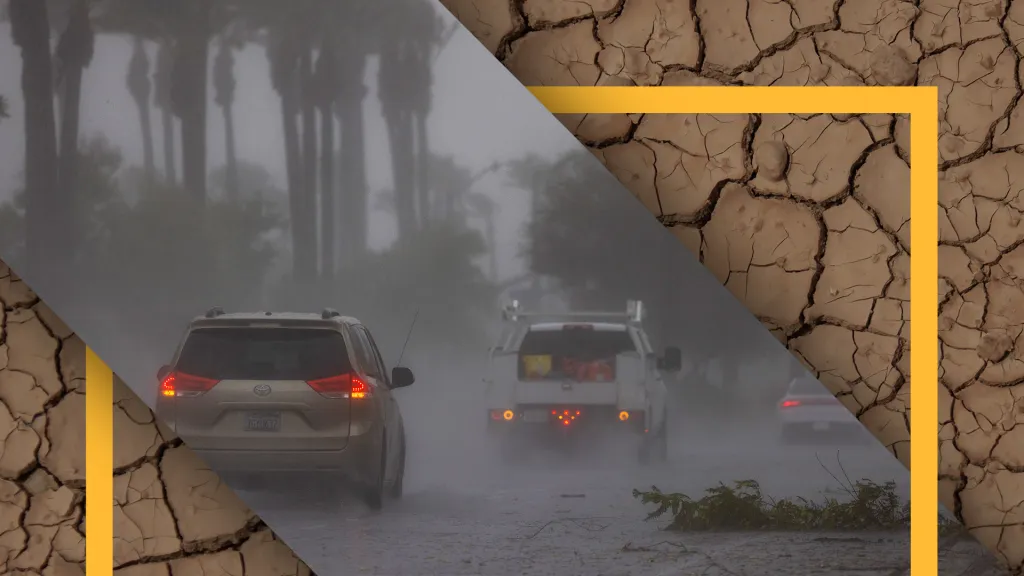
A strengthening El Niño in the Pacific could soon be felt far from the ocean. Grocery aisles, insurance bills, utility costs and the budgets of tourism-dependent towns already strained by heat, drought, wildfire smoke and flooding face economic strain.
The emerging climate pattern, sometimes described by forecasters as a possible “super” or “mega” El Niño, is not just a weather story. Economists, climate scientists and urban planners say it could compound existing pressure from energy prices, tariffs, wars and insurance losses.
“It is a massive challenge to our stability,” Jesse Keenan, a climate change and urban planning expert at Tulane University told Straight Arrow. He said the risk is not El Niño alone, but El Niño arriving on top of a warmer planet and an already stressed economy. Keenan’s book “North: The Future of Post-Climate America” focuses on how people, governments, and markets respond to climate impacts.
El Niño is a natural warming of the central and eastern equatorial Pacific that reshapes weather patterns around the world. The National Oceanic and Atmospheric Administration said in July that El Niño was strengthening and had a 97% chance of lasting into early spring 2027, with an 81% chance of becoming very strong during the fall.
Those forecasts do not translate into a single outcome for every region. But stronger El Niño events tend to tilt the odds toward heavier rain in some places, drought in others and more disruptive swings in food, water, energy and transportation systems.
For consumers, the most immediate pressure may come from food. Drought can reduce yields and pastureland, while flooding can delay planting, damage crops and disrupt shipping. The GEOGLAM Crop Monitor, an international agricultural monitoring initiative, said past El Niño events have tended to reduce global rice yields while boosting soybean yields, with regional impacts varying widely.
Keenan said agriculture is already facing overlapping shocks, including high fuel and fertilizer costs. That matters because higher costs for farmers can move through the supply chain, affecting prices for produce, meat and processed foods.
“Food, ag, insurance,” Keenan said, when asked where households could see higher costs. “It’s important to understand this is a compounding problem.”
Insurance is another pressure point. More flooding, wildfire damage and severe storms can push claims higher, contributing to rising premiums or reduced availability in high-risk areas. Even places not directly hit by a disaster can feel the cost as insurers spread risk across wider markets.
Tourism-dependent communities face a different threat: lost weeks of business. Keenan pointed to parts of Florida where extreme heat can keep visitors indoors and to northern recreation areas where wildfire smoke, dry conditions and reduced snowfall can weaken both summer and winter tourism seasons.
Michael Wysession, a geophysics professor at Washington University in St. Louis, said scientists can describe probabilities, not guarantees. El Niño forecasts depend on complex interactions among ocean temperatures, winds and atmospheric circulation.
That uncertainty can itself be costly. Businesses must decide whether to buy supplies, adjust schedules, alter travel plans or prepare for floods, drought or heat without knowing exactly where the worst effects will land.
Still, Wysession said the baseline has changed. A strong El Niño now arrives in a warmer world, meaning the same ocean temperature anomaly can produce more damaging heat, heavier rainfall and more severe flooding than a similar event decades ago.
That could leave governments and households paying in different ways: more money for cooling, higher repair costs after floods or fires, disrupted school and work schedules, and higher prices for staples if weather damages crops in the wrong places at the wrong time.
The World Meteorological Organization says early warnings and seasonal forecasts can help governments, farmers, water managers and public health officials prepare. But experts say preparation has limits when climate shocks arrive at the same time as inflation, geopolitical instability and stretched local budgets.
“We’re a clever species,” Wysession said. “We can figure this out.”
Round out your reading
- What does low water at the Hoover Dam mean for power in the American West?
- Could GLP-1 drugs become the first longevity medications? Scientists think it’s possible.
- ChatGPT told him he wouldn’t face charges. Then came the arrest warrant.
- How one small city built a second act as a bio hub inside empty cigarette factories.
- If permanent Daylight Saving Time is so popular, why is it dead in the Senate?
Ella Rae Greene, Editor In Chief