It’s getting easier for seniors to drink in their nursing homes
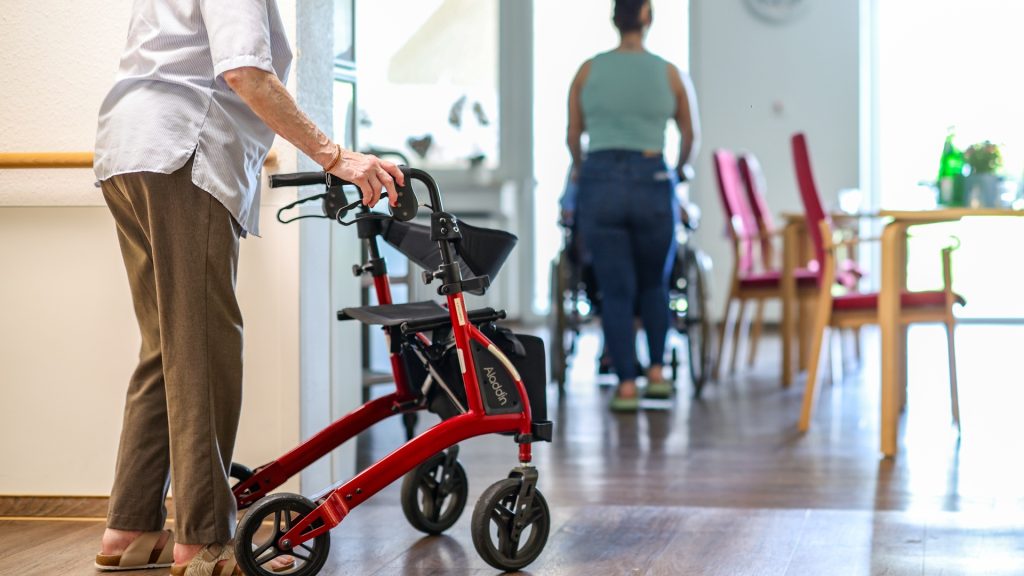
One state just made it easier for grandma and grandpa to enjoy a cocktail in their nursing home. Last week, Minnesota lawmakers approved a law allowing care facilities, like nursing homes and assisted living communities, to serve alcohol at resident social events.
Gov. Tim Walz signed the bill, called “Grandparents’ Happy Hour”, into law Tuesday.
Minnesota’s new law
Under the law, facilities will no longer have to navigate the state’s liquor licensing restrictions. Rather, facilities must inform the state of their intent to serve and adhere to Minnesota’s safety standards.
There’s one major caveat: The booze can’t be sold.
“[I]ntoxicating liquor may not be sold, offered for sale, or otherwise provided for any form of consideration,” the law says.
READ MORE: 95-year-old ‘Swiftie’ asks Taylor Swift to visit his nursing home
The new law takes effect Aug. 1 and is part of a larger liquor bill that also updates licensing laws for businesses, attractions and college campuses in the state.
Why is Minnesota doing this?
The new law will help boost seniors’ independence, Walz said.
“Growing older shouldn’t mean giving up the traditions and freedoms you’ve enjoyed your whole life,” Walz said last week, adding the law is “about dignity, independence and recognizing that community is an essential part of quality care.”
Anita LeBrun, 82, who testified on behalf of the law, made a similar point when it passed.
“Today we raise our glasses, not just for happy hour, but for independence,” she said, according to The Independent. “This law affirms that living in assisted living doesn’t mean giving up the everyday pleasures that help us live life on our own terms.”
She went on to say that happy hours within facilities allow seniors to connect, laugh and share stories from their lives.
What about in other states?
Minnesota joins several other states that permit alcohol to be served in assisted living and nursing homes. Regulations vary, particularly regarding licensing and other steps the facility must take to do so.
In Minnesota specifically, facilities were required to obtain a liquor license to serve. However, states like Wisconsin, California, Oregon, Washington and Colorado embrace resident choice, making alcohol much more commonly available.
Many facilities have their own policies. Some simply don’t allow residents to drink due to their health status — especially if the facility is a memory care facility.
At the end of the day, it’s up to the facilities. But hey, it just got a whole heck of a lot easier in Minnesota, so cheers!
Round out your reading
- With more prison space than prisoners, correctional facilities are shutting down.
- ‘Game changer’: New cancer treatment turns major surgery into an outpatient procedure.
- Viewers overwhelmingly support ‘The View’s’ fight against the FCC. Will that matter?
- Why an ICE shooting in Houston isn’t leading to mass protests.
- Milwaukee detective is the latest officer charged with misusing Flock cameras.
Ella Rae Greene, Editor In Chief