In race for AI data centers, regulators move to fast-track Louisiana gas plants
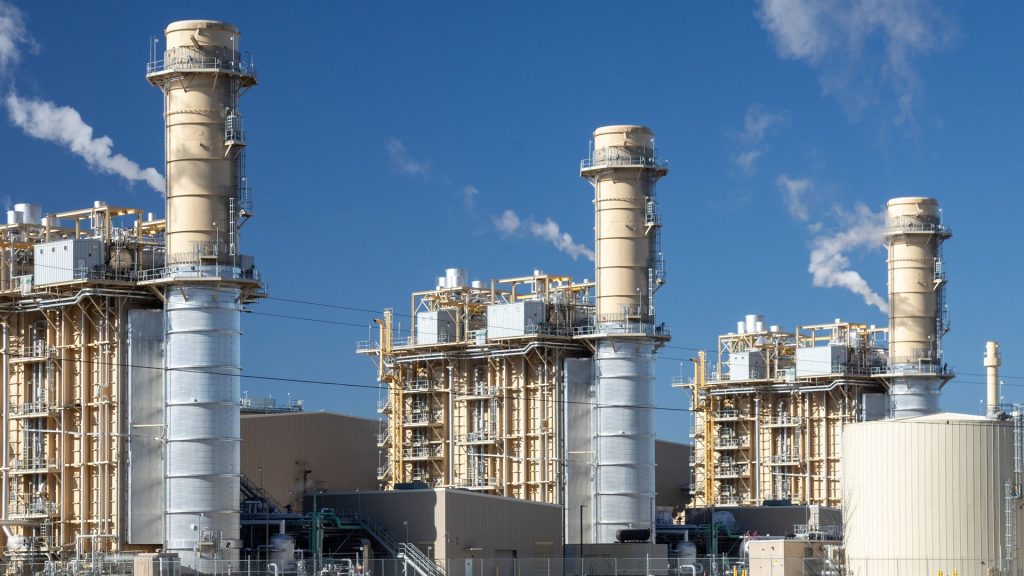
Louisiana is becoming a testing ground for how fast America can build new power plants, and whether speed sacrifices consumer protection. On Wednesday, the Louisiana Public Service Commission (PSC) voted 4-1 to expedite a proposal to build seven new gas power plants for Meta’s data center expansion through a new “lightning initiative” — an accelerated process the state created for permitting new infrastructure.
While the commissioners voted to decide on the plan by December, they did not officially greenlight all of the lightning initiative’s many terms. The project is expected to become the first to proceed under the initiative.
The fast-track process has garnered support from politicians and industry groups that argue existing regulatory processes are too slow for this current moment when the grid needs power fast. But critics say the process lacks transparency and could saddle ratepayers with the risk.
Forecasts show surging electricity demand as the tech industry inks deals to build new data centers that run artificial intelligence tools. In northeast Louisiana, Meta — the company that owns Facebook and Instagram — is building what could become one of the largest data centers in the world.
Last year, the PSC approved plans from the state’s largest utility company, Entergy Louisiana, for three new gas power plants to serve Meta’s data center in Richland Parish.
Now, Meta appears poised to expand with a new data center. In February, Meta purchased 1,400 acres of land next to 2,250 acres it already owns. Then in March, Entergy announced plans to build seven more gas power plants to provide Meta with 5.2 gigawatts of electricity, enough to power several million homes.
Through the lightning initiative process, the proposal could be approved by December. It would not require the standard competitive bidding process to ensure the lowest costs or a judicial review that allows others — such as environmental groups, corporations or smaller utilities — to intervene.
What is Entergy Louisiana’s plan?
Entergy plans to build seven combined-cycle gas power plants, each with a capacity to generate 754 megawatts of electricity. The company said that in the future, the power plants will have the capability to use carbon capture technology to reduce emissions or use hydrogen fuel, which does not emit carbon dioxide.
Entergy intends to build 2.5 gigawatts of renewable power and is committed to “explore the future development and use of nuclear power,” according to a press release. The plan also includes 240 miles of transmission lines to move new power around the grid.
The agreement is structured so Meta “pays its full cost of service” and generates $2.7 billion in savings for other customers. Some of those savings come from Meta’s contribution to fixed costs of running the grid, such as storm recovery costs. However, it’s unclear how Entergy arrived at the $2.7 billion figure, and the company did not answer questions from Straight Arrow News about customer savings.
Under the terms between Entergy and Meta’s subsidiary Evest LLC, Evest will cover all costs for 20 years.
The project could cost upwards of $21 billion, according to an analysis of Entergy’s application by the nonprofit consumer advocate Alliance for Affordable Energy. Entergy has not released an estimate of the total cost.
Why are consumer advocates worried?
Alaina Di Laura, policy coordinator at the Alliance for Affordable Energy, told SAN she is concerned the process is moving forward without enough time or transparency to verify the claimed benefits.
“We don’t know that the benefits are going to come to fruition,” Di Laura said.
The Alliance for Affordable Energy is one of seven groups to intervene in the Public Service Commission’s consideration of Entergy’s application. In that process, an administrative law judge hears evidence and testimony from the applicant and intervening groups. The judge then issues an independent recommendation to the commission regarding the application.
Groups can still intervene under the lightning initiative, but the commission proceeds to a vote without considering the independent recommendation. The lightning initiative also bypasses a competitive bidding process in which multiple contractors submit competing plans to meet the new electricity load from Meta. This could include lower-cost gas power or other resources such as solar and batteries.
The normal regulatory process matters to Di Laura, because there are contested details in the 1,200-page application. For example, a typical gas power plant has a lifespan longer than the 20-year length of the contract. After 20 years, ratepayers could wind up on the hook for the remaining operational or debt payments associated with the power plants.
Di Laura also pointed to the fact that a Meta subsidiary — not the Big Tech company itself — is party to the agreement, and details on the financial guarantee from the parent company are not public. Non-disclosure agreements are common practice between government officials and data center developers, which she said can undermine trust in the process.
“The most important part about anything is what protections exist for regular folks,” Di Laura said. “They’re moving too quickly. And if it’s Zuckerberg that said ‘move fast and break things,’ well, we’re the ones that are bearing the risks of that, of what’s being broken.”
Ella Rae Greene, Editor In Chief