How taxpayers are liable for sexual misconduct by members of Congress
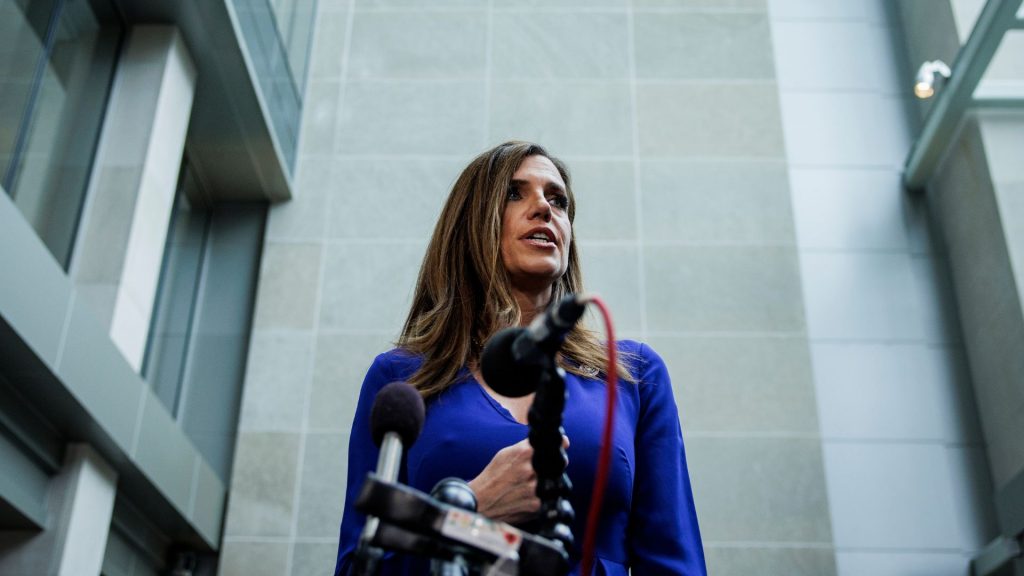
In early March, Rep. Nancy Mace, R-S.C., stood on the House floor to force a vote on a resolution that would have released details from all reports of sexual misconduct and harassment by members of Congress. Her motions followed reports claiming her colleague, Rep. Tony Gonzales, R-Texas, had an affair with a staffer who later died by suicide.
The vote on the resolution, 357 to 65, showed rare bipartisan agreement — to defeat Mace’s proposal.
The resolution’s defeat underscored a long history in Congress of dealing with sexual misconduct by lawmakers mostly in private. While some have resigned under pressure, including Gonzales and Rep. Eric Swalwell, D-Calif., few have faced public punishment.
The issue came to the surface in recent days after multiple publications reported that women had accused Swalwell of sexual assault. Swalwell denied the allegations but suspended his campaign for California governor and then resigned from Congress.
That’s a time-honored tradition. In 1976, for example, The Washington Post published an article accusing Rep. Wayne Hays, D-Ohio, of paying his mistress $14,000 in public funds. He denied the allegations, but when The Post interviewed his alleged mistress, who was his former secretary, she said, “I can’t type. I can’t file. I can’t even answer the phone.” Less than a month later, Hays resigned.
The fund nobody talks about
Before 1995, U.S. lawmakers were exempt from about a dozen major workplace laws, such as the Civil Rights Act, the Americans with Disabilities Act, the Age Discrimination in Employment Act and the Fair Labor Standards Act.
To address the double standard, lawmakers that year passed the Congressional Accountability Act.
“For years, Iowans have asked me, ‘Why doesn’t Congress have to follow the same laws as we have to follow?’” Sen. Chuck Grassley, R-Iowa, said in 2025. “The American people expressed that they were fed up with government-knows-best and a Washington mindset that applied rules for thee, but not for me.”
The law required Congress to use the same employment laws that apply to the private sector and the executive branch. It created the Office of Compliance to administer claims and resolve disputes.
The office — or more specifically, an account it oversees — has been the focus of widespread scrutiny. The taxpayer-funded account has been called a harassment “slush” fund since it provides monetary settlements to people who file complaints if they go through mediation. The payments are public record. The details of the allegations, however, remain hidden.
Since its inception, the fund has paid out more than $17 million in 264 cases, according to GovTrack. In addition to sexual misconduct, the payments cover such matters as overtime disputes, disability claims and violations of family-leave requirements.
The first documented case of taxpayer money from this account being used to settle a sexual harassment claim against a member involved Rep. Blake Farenthold, R-Texas. His former communications director sued him in December 2014, accusing him of gender discrimination, sexual harassment and creating a hostile work environment, Politico reported. Both parties reached a settlement agreement of $84,000 the next year but his identity wasn’t revealed until 2017.
Former Rep. Jackie Speier, D-Calif., who was also assaulted as a congressional staffer, told NPR she thought it was unfair that those in the private sector are fired immediately but lawmakers are allowed to stay even after the taxpayer bails them out.
“I mean, when you think of the private sector, a CEO has a relationship with some subordinate, and he’s gone, or she’s gone,” Speier said. “But in Congress, not only are you not gone, you get to continue to serve, so to speak, and collect your check.”
Congress makes reforms
The #MeToo movement forced Congress’ hand to address issues with the 1995 accountability act. But some believe the changes didn’t go far enough.
In December 2018, Congress passed the awkwardly named Congressional Accountability Act of 1995 Reform Act. It changed the name of the Office of Compliance to the Office of Congressional Workplace Rights, expanded certain protections to unpaid staff, mandated a biennial survey of the legislative branch workplace environment and changed the way it resolved claims.
One of the most significant changes was requiring members to personally reimburse the Treasury if the settlement involved the member’s personal conduct.
Reimbursement has conditions and taxpayer funds are still taken out first. Resignations also stop investigations, so if a lawmaker is in the middle of an inquiry and resigns, he or she doesn’t have to pay back the money.
But what the law didn’t do was remove the secrecy of the original law. All the names of the members who used the fund are still hidden from the public. That was what Mace’s resolution addressed.
“The fact that taxpayer dollars are being used to basically pay off people’s sexual harassment — that’s wrong,” Rep. Anna Paulina Luna, R-Fla., told Axios in February.
The gender divide
Mace’s resolution came shortly after the allegations against Gonzales came to light, following months of rumors.
Her proposal would have given the Ethics Committee 60 days to publicly release all reports related to investigations into sexual harassment or sexual misconduct involving members of Congress or their aides. But there was an important clarification: her resolution would have required redactions to protect the victim.
Despite this, the proposal failed. The Ethics Committee’s leaders said Mace’s resolution “could chill victim cooperation and witness participation in ongoing and future investigations,” Roll Call reported.
The most vocal of the supporters were women, especially conservative Republicans who had no political incentive to align with Democrats. Mace, who has spoken publicly about being a sexual assault survivor, framed the vote starkly.
“This is a good old boys club, and women that come to work on the Hill need to be respected, whether you’re a member of Congress and a female or you’re a female staffer,” she told NBC News.
Paulina Luna was also sincere about her support.
“We just had a member of Congress literally sexually harass a woman that then lit herself on fire and you guys all protected him. My own side, your side,” she said.
Mace framed the issue as bipartisan.
“Both parties colluded to protect predators,” Mace said. “They voted to keep sexual harassment records buried, and they did it together.”
Will any real change happen?
The biggest issue preventing change is the way the Ethics Committee is set up. Since it has jurisdiction only over current members, investigations automatically cease when an accused member resigns.
Even if members resign under a cloud, they are still entitled to collect their pensions — unless they are convicted of one of 31 specific felonies.
Lawmakers can take a pension if they are 62 years old and have been in Congress for five years. So, while Swalwell and Gonzales, who are in their 40s, won’t be able to receive it immediately, taxpayers will ultimately pay them an average of just under $60,000 per year in pension benefits.
Despite the setbacks, Mace isn’t stopping. The House Oversight Committee approved her motion to subpoena the Office of Congressional Workplace Rights for settlements made before 2018. That subpoena process is still active, according to The Hill.
Attention is now moving to two other members facing scrutiny: Rep. Sheila Cherfilus-McCormick, D-Fla., and Rep. Cory Mills, R-Fla.
The Ethics Committee recently found Cherfilus-McCormick guilty of using federal COVID-19 relief funds in her congressional campaign, and she faces federal charges over the matter. The Ethics Committee has opened an investigation into allegations of financial and sexual misconduct by Mills. Both have denied wrongdoing and remain in office.
Sen. Andy Kim, D-N.J., agreed with Mace that something needs to change regarding congressional ethics complaints. “Whatever we are doing when it comes to misconduct on Capitol Hill,” he told PBS’ Lisa Desjardins, “it’s not working.”
Ella Rae Greene, Editor In Chief