How a facial recognition match led to a Florida man’s wrongful arrest
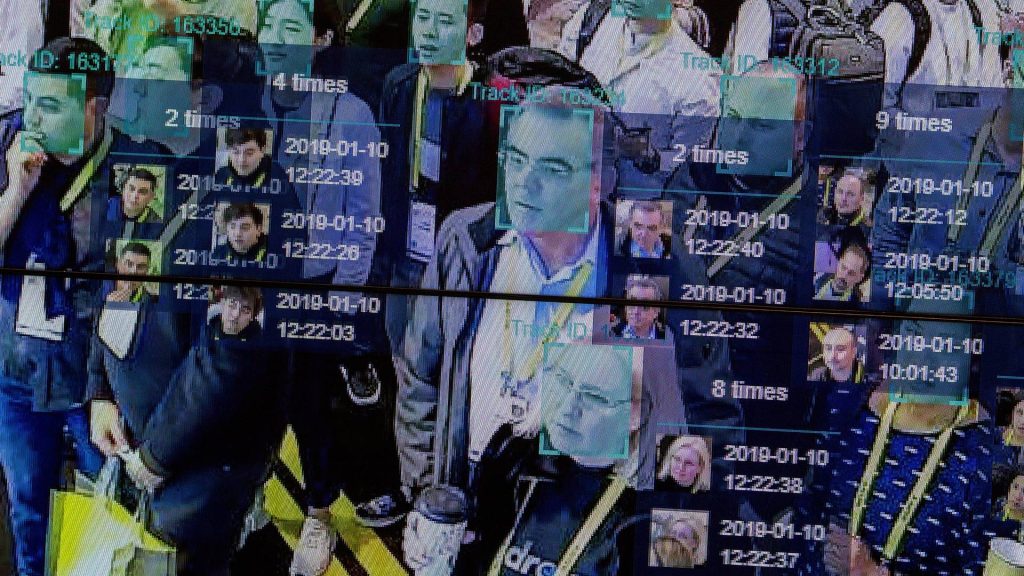
In August 2024, 52-year-old Robert Dillon was arrested after police said he tried to lure a child at a McDonald’s in Jacksonville Beach, Florida. The arrest came after the Jacksonville Sheriff’s Office fed surveillance photos of the suspect into an AI-powered facial recognition tool, which said it was 93% certain the man in the photos was Dillon.
But Dillon, a commercial crabber who lives in Fort Myers, had never been to Jacksonville Beach, more than 300 miles from his home. And it wasn’t him who approached a child at the McDonald’s.
Now Dillon is suing multiple law enforcement agencies, saying their reliance on a faulty facial recognition match led to his wrongful arrest.
Although prosecutors dropped the charges and the arrest was wiped from his record, Dillon argues the incident caused considerable damage both mentally and financially.
“The night I spent in jail after they arrested me for a crime I did not commit still haunts me to this day,” Dillon said in a statement. “I will never get over how terrified and worried I was, wondering if I’d ever go home to my wife and daughter again. Over a year later, I’m still picking up the pieces of my life, all because the police relied on this dangerous technology instead of doing their jobs and actually investigating.”
The American Civil Liberties Union says Dilllon is the 15th person known to have been falsely arrested because of facial recognition in the U.S. Among them was an Oklahoma woman who filed a lawsuit earlier this year after a faulty facial recognition match caused her to spend a combined 6 months in jail in two states.
Evidence allegedly withheld
After the facial recognition match, an employee at the McDonald’s reportedly picked Dillon out of a photo lineup.
But Dillon’s federal lawsuit — filed against the Jacksonville Beach Police Department, the Jacksonville Sheriff’s Office, the Pinellas County Sheriff’s Office and the officers involved in his arrest — accuses law enforcement of concealing exonerating evidence.
A search of license plate reader data by police, for example, showed that Dillon’s vehicle had not traveled to the Jacksonville area during the days before and after the crime. Police also withheld that a McDonald’s employee described the suspect as a “regular” at the restaurant.
The ACLU, which is representing Dillon, also argues that the photo lineup used by law enforcement was “unreliable.”
“When facial recognition technology generates a false match,” the ACLU said, “it will often be to someone who looks similar to the suspect, thus misleading witnesses who are asked to choose between that innocent lookalike and a set of random filler photos.”
‘An algorithm got it wrong’
Dillon, according to the ACLU, was forced to borrow money and pledge the title to his truck to post his bond. He also lost considerable income as a commercial crabber while fighting the case.
And even though the charges were dropped, Dillon’s mugshot remains accessible online. The ACLU also says none of the law enforcement agencies involved have apologized.
Nate Freed Wessler, deputy director of the ACLU’s Speech, Privacy, and Technology Project, says no one should live in fear or lose their freedom “because an algorithm got it wrong.”
“These Florida police departments owe it to Mr. Dillon to make amends and to take serious steps to make sure this doesn’t happen to anyone else,” Wessler said. “Police across the country are on notice: Unreliable face recognition technology is hurting people, and we will keep fighting to hold them accountable for these abuses.”
Round out your reading
- People are overdosing on GLP-1 injections. What does that look like?
- Researchers put chatbots in a simulation. Grok ended the world in 4 days.
- Fearing more e-bike injuries, Illinois looks to become 10th state to mandate registration, insurance.
- Why are young professionals facing such a tough job market? Hint: It’s not just AI.
- We’re building a new Straight Arrow. Help us shape our future by taking our survey.
Ella Rae Greene, Editor In Chief