Fuel costs are falling. So why are flights still so expensive?
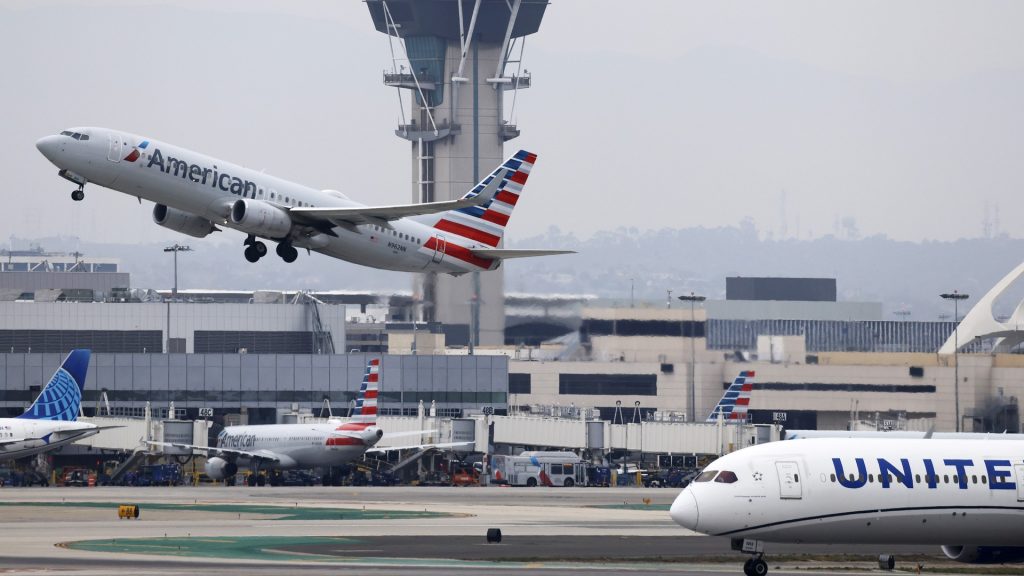
Jet fuel prices are falling, but airline tickets aren’t following. Strong summer demand is allowing carriers to keep fares elevated even as jet fuel prices have fallen about 40% from their spring high, according to The Wall Street Journal.
That strategy appears to be working. The TSA screened nearly 13 million airline passengers over the July 4 holiday period, while AAA projected nearly 5.9 million Americans would fly despite average round-trip fares of roughly $830.
Why fares aren’t falling
The short answer: travelers keep paying the higher prices.
Southwest CEO Bob Jordan told the Journal, “I’m actually very bullish that the industry will retain a much higher percent of the fare increases than would be typical historically.“
Jordan also said Spirit Airlines’ collapse has eased competition across the industry.
Post-war oil price drop
Lower fuel costs have helped boost profits at airlines, including Delta and United. United CEO Scott Kirby recently said, “The demand environment is pretty strong.”
The Journal reported American Airlines’ stock has climbed more than 30% over the past month. Analysts said airlines have raised fares eight times since the U.S.-Iran conflict began in late February.
Brent crude opened Tuesday at about $73 a barrel, down from a peak of $118 in April and about $91 in early June.
Alaska Airlines CFO Shane Tackett said last month, “The tickets we’re selling today are probably covering the spot price of fuel in their entirety.“
Seat capacity
Another reason fares remain high is limited seat capacity. Airlines cut flights during the conflict when fuel prices surged, and many haven’t restored them.
The Journal reported major airlines are planning little to no route expansion this quarter because demand remains strong. Historically, airlines have added flights as fuel prices fall. This time, many appear content to keep capacity tight.

The exit of Spirit in May led some airlines, such as American, to pick up some of the slack.
American CEO Robert Isom said with the competition Spirit provided now gone, “We saw across-the-board improvement in all those places that we compete directly.”
The picture could change once the summer travel season winds down.
Analyst Conor Cunningham said that’s when airlines will find out whether travelers keep paying summer prices or begin looking for discounts.
“The real test is what happens after Labor Day, when leisure demand tapers and airlines adjust fall capacity for a lower-fuel environment,“ he said.
Round out your reading
- Scientists are now eyeing a possible ‘Mega El Niño’.
- Critics mocked Mamdani’s AC request. Republicans made the same ask.
- Social Security was supposed to be a safety net. To young Americans, it’s a broken promise.
- What happens when the water dries up? Much of the American West is close to finding out.
- Political insiders are targeting the two-party system’s grip on America.
Ella Rae Greene, Editor In Chief