Fireworks shows go off with a bang, powered by precise code and choreography
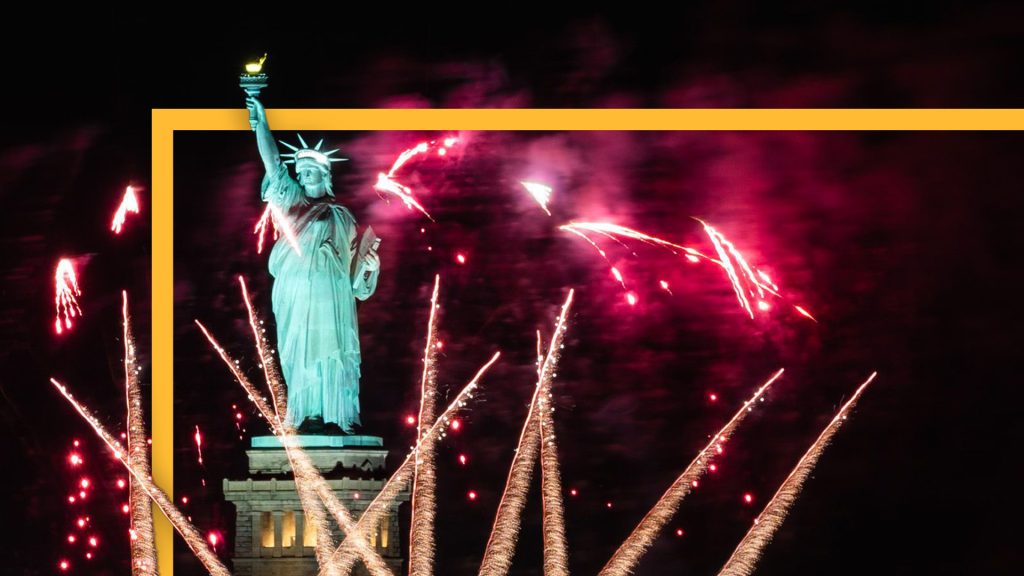
Long before fireworks light up the sky each Fourth of July, the work behind the spectacle begins months — even years — in advance.
Designing a major fireworks show is a detailed process that blends art, engineering and strict safety standards. Pyrotechnic designers choreograph each display to music, selecting effects and determining how to “paint the sky” while accounting for the venue, whether it’s a barge, rooftop or land-based site.
Safety considerations guide every decision. The size of fireworks shells is limited by distance requirements from spectators, buildings and roadways, and show crews must adapt to environmental factors like wind and rain.
In an interview with Straight Arrow, American Pyrotechnics Association Executive Director Julie Heckman said “Mother Nature” is often the final decision-maker, with crews prepared to delay or adjust shows if conditions become unsafe.
The modern displays differ sharply from those of decades past. While many shows were hand-fired during the 1976 U.S. Bicentennial, most are now electronically ignited, allowing for split-second precision that can be synchronized to a musical score.

Large-scale productions can take weeks to set up. Crews may spend days assembling equipment and stabilizing racks before loading fireworks, which are kept dry with protective coverings until just before showtime.
The American Pyrotechnics Association, founded in 1948, works with multiple federal agencies — including the Bureau of Alcohol, Tobacco, Firearms and Explosives and the Federal Aviation Administration — to manage the industry’s extensive regulations covering manufacturing, transport and public displays.
New technology is also reshaping celebrations. Drone light shows are increasingly paired with fireworks, though industry experts maintain that the traditional displays still hold broader appeal as a “multi-sensory experience.”

Fireworks remain deeply tied to American tradition, with roots stretching back more than 2,000 years to early firecrackers in China. According to the Smithsonian Institution, by the nation’s founding, they had already become part of Independence Day celebrations.
While the Fourth of July remains the busiest time for the industry, fireworks are now used year-round at sporting events, concerts and festivals — a shift that has expanded revenue beyond a single holiday. Other cultures have brought off-season demand for fireworks in the U.S. The Indian Diwali holiday, a festival of lights that typically lands in late October to early November, involves late-evening fireworks.
Costs vary widely. Small-town displays may run tens of thousands of dollars, while major city shows can reach well into six figures. Signature events like New York City’s Macy’s show can reach millions, though fireworks are just one part of a much larger production.

As crowds gather for this year’s celebrations, organizers say what viewers see in the sky represents a blend of history, innovation and careful coordination — all timed to the second.
Round out your reading
- America at 250: Straight Arrow’s week-long look at the pressures testing modern America.
- Ketamine is booming in America. The reasons go beyond drugs.
- Cluster of AI news sites suddenly goes dark after human reporter starts asking questions.
- A 79-year-old, obese, well-connected man gained exclusive access to a new weight loss drug. Is it Trump?
- Newsom pushes national wealth tax after opposing California billionaire tax.
Ella Rae Greene, Editor In Chief