Farm Bill gives teeth to foreign land purchase tracking, targets China, Russia, Iran
If you’re curious to see how important foreign ownership of American farmland is in Congress’ latest iteration of the Farm Bill, look no further than the title.
The Farm, Food and National Security Act of 2026 gives the Committee on Foreign Investment in the United States (CFIUS) special investigatory powers to examine farmland owned or purchased by a foreign entity, with particular attention to buyers linked to America’s adversaries.
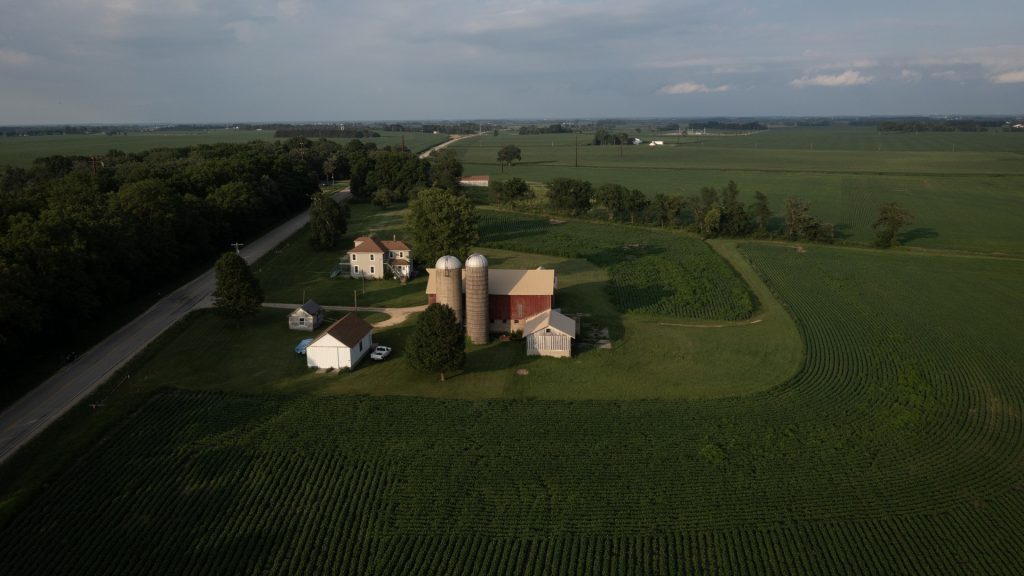
According to U.S. Department of Agriculture data, foreign entities have a foothold in around 46 million acres of U.S. farmland, nearly 3.6% of all privately held agricultural land and 2% of total U.S. acreage.
In July 2025, Agriculture Secretary Brooke Rollins and other Cabinet members announced a ban on the ownership of farmland by individuals with ties to foreign adversaries.
Language in the Farm Bill matches the goals announced at that time, including collaboration with CFIUS “to ensure regular coordination concerning foreign transactions that involve the agriculture industry.” The proposal does not ban foreign ownership of farmland, however.
What is CFIUS?
The committee had been around since the 1970s, when President Gerald Ford created it via executive order during the Cold War, but it has sparingly examined agricultural issues. President Joe Biden signed an appropriations package in 2024 that allowed the agriculture secretary to pop into the committee to review farm-adjacent topics on a “case-by-case basis.” That would change with the new Farm Bill.
The secretary would become a member of CFIUS and would be involved in any land, biotechnology or agriculture industry transaction, within certain limitations, such as the size of the purchase. Lawmakers have long sought to add the “nation’s top farmer” to the committee, which is chaired by the Treasury secretary and includes other Cabinet members.
“Over the last decade, we’ve seen a surge of American farmland purchases from our foreign adversaries,” said Sen. Tommy Tuberville, R-Ala., announcing a bill that would have formally added the agriculture secretary to CFIUS. “We must prioritize oversight of foreign investment in our food supply chains, especially from Russia, China, North Korea, and Iran. This starts with giving the agriculture community a permanent seat at the table on CFIUS.”
The Farm Bill also gives special attention to any reportable land purchase with ties to China, North Korea, Russia or Iran.
CFIUS has investigated hundreds of potential issues, but the matters rarely reach the president for a final decision. Of the nine times that a president has made a determination, four of those were from President Donald Trump. The most recent regarded Japanese company Nippon Steel’s purchase of U.S. Steel. While President Joe Biden ruled that the acquisition presented issues, it wasn’t enforced, and Trump allowed Nippon to finalize the purchase in 2025.
No decisions have been made regarding the agriculture sector.
Land buys near bases
Lawmakers have long targeted land purchases by foreign actors, especially near military or intelligence installations.
In 2022, a U.S. subsidiary of the China-based Fufeng Group bought more than 300 acres of farmland in North Dakota. The acreage sat just 20 minutes away from the Grand Forks Air Force Base, one of the military’s top drone research facilities. Despite objections from members of Congress, CFIUS determined in December of that year that it couldn’t intervene.
In 2023, a group of investors raised eyebrows in California for gobbling up more than 52,000 acres of farmland largely surrounding Travis Air Force Base. The Flannery Group, which said it represented mostly U.S. investors with some British and Irish buyers, wouldn’t disclose its ownership roles at the time.
The post Farm Bill gives teeth to foreign land purchase tracking, targets China, Russia, Iran appeared first on Straight Arrow News.
Ella Rae Greene, Editor In Chief