E-Bike Classes and What They Change After a Crash
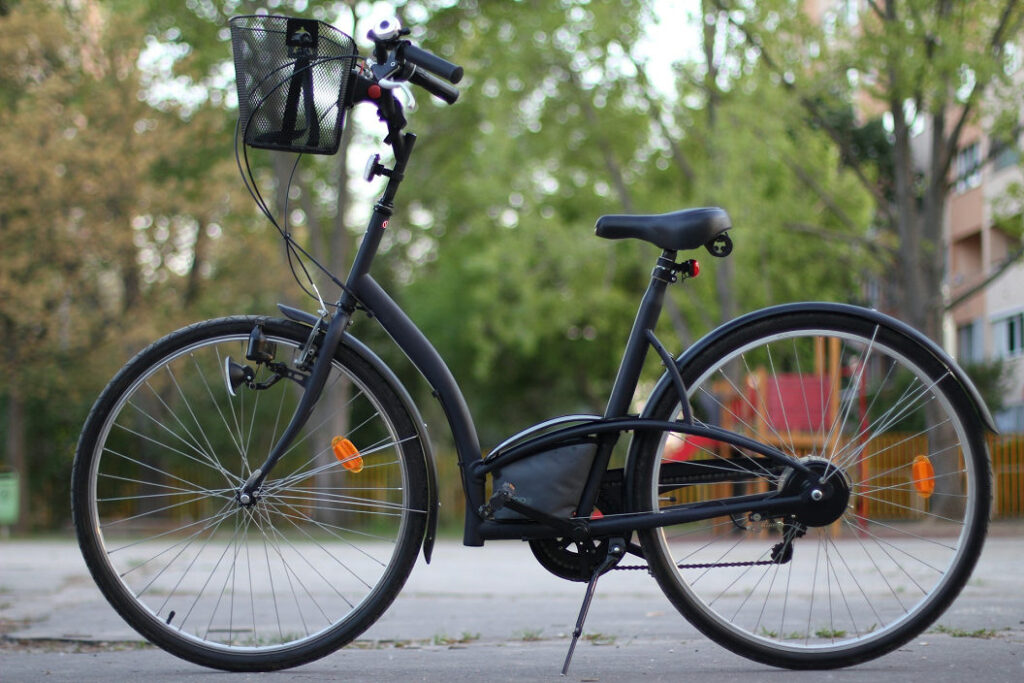
A breaking alert about a rider struck by a car gives you a street, an injury count and a vehicle description. It rarely tells you what the rider was actually on. A pedal bike and a 28 mph electric machine both arrive in the first bulletin as “a bicycle.”
That single word is doing work it cannot hold. In California the class of an electric bicycle decides whether the law treats it as a bicycle at all. Firms such as Agemian Law Group in Los Angeles see that question surface long after the news cycle moves on. Nothing below is counsel on any particular situation.
What Do the Three E-Bike Classes Mean?
Most states now sort electric bicycles into three tiers. California sets them out in Vehicle Code section 312.5. The split turns on two things: whether a throttle can move the bike alone, and where the motor stops helping.
- Class 1 assists only while the rider is pedaling, and the assist ends at 20 mph.
- Class 2 adds a throttle that can propel the bike without pedaling, also capped at 20 mph.
- Class 3 assists only while the rider is pedaling, and carries that assist to 28 mph.
California also requires a frame label showing the class, the top assisted speed and the motor wattage. That label answers the question fastest, when it survives the impact.
Where the Law Stops Calling It a Bicycle
The outer boundary is federal. The Consumer Product Safety Commission’s page on regulations, laws and standards sits over the low-speed electric bicycle definition in the Consumer Product Safety Act. That definition requires two or three wheels, fully operable pedals, a motor under 750 watts, and a top speed under 20 mph on motor power alone.
Past those limits, a machine is something else. California then treats faster throttle-driven two-wheelers as mopeds or motor-driven cycles under the Vehicle Code. That category brings registration, a driver license and financial responsibility rules with it.
The practical consequence is blunt. Two riders hit at the same intersection can sit on opposite sides of a legal line neither of them knew existed.
Where Each Class Is and Is Not Allowed to Ride
Access is written into the California Vehicle Code rather than left to habit.
- Class 1 and Class 2 may generally use bike lanes and bikeways open to ordinary bicycles.
- Class 3 is kept off bike paths and multi-use trails unless a local authority allows it.
- Class 3 riders must be at least 16 years old under state law.
- Helmets are required for every Class 3 rider, and for any rider under 18 on any class.
Cities and counties can vary the trail rules inside their own boundaries. A route that is lawful in one jurisdiction can be off limits a few blocks later. Location matters as much as the machine.
Why the Class Is Missing From Early Coverage
Nobody at the scene is checking the frame label. A responding unit reports shape and outcome. The word “bicycle” in a first report is a visual description, not a determination.
The gap shows up everywhere, including a car that struck a group of cyclists abroad, where the machines were never itemized publicly. Multi-rider incidents carry the same shortfall, and for an understandable reason. Class is a paperwork fact, and paperwork is slow.
How Classification Changes What Comes Next
- Which insurance policy responds at all. Some homeowner and renter policies reach ordinary bicycles, while a registered motor vehicle is a different contract.
- Whether a license, registration or plate was legally required at the time.
- Which road and path rules were actually in force where the collision happened.
- Whether the rider’s own conduct gets measured against bicycle rules or motor vehicle rules.

None of those four questions can be answered from a headline. They come from the frame label, the manufacturer’s specification and sometimes the battery itself.
Modifications and the Line They Cross
Aftermarket kits that raise or remove a speed cut-off are widely sold. A Class 1 bike tuned past its limit may no longer match the statutory definition it was sold under, whatever the label says.
Federal safety bodies have been tracking the category as it grows. The National Transportation Safety Board’s safety research program takes in emerging transportation modes alongside its investigative work. Micromobility is a newer entry there than cars or aircraft.
A modified machine also complicates the evidence. The bike as built and the bike as ridden are two different objects.
Why the Label Is Only the Starting Point
Establishing a class does not settle responsibility. It sets the rulebook responsibility gets measured against, which is narrower than most coverage implies. A Class 1 rider can still be found partly at fault, and a moped rider is not automatically the cause.
Incidents involving older drivers, such as the car that struck pedestrians in an L.A. parking lot, make the same point from the other direction. Categories set the starting conditions. The facts do the rest.
So when a short alert says a cyclist was hit, notice what it does not say. The machine has a legal identity, and it takes weeks to appear in print.
Frequently Asked Questions About E-Bike Classification
Is an Electric Bicycle a Motor Vehicle In California?
Not if it meets the Vehicle Code definition of a Class 1, Class 2 or Class 3 electric bicycle. Those machines are treated as bicycles for most purposes under state law. A two-wheeler above the wattage or speed limits falls into the moped or motor-driven cycle categories.
Do Riders Need a License for a Class 3 E-Bike?
California does not require a driver license for a Class 3 electric bicycle. State law does set a minimum age of 16 and a helmet requirement for every rider. Registration and insurance obligations attach once a machine crosses into moped territory.
Can a Class 2 Throttle Bike Use a Bike Lane?
Under the California Vehicle Code, Class 1 and Class 2 machines may generally use bike lanes open to conventional bicycles. Class 3 faces tighter limits on paths and trails. Local authorities can vary trail access inside their own boundaries.
What Happens If an E-Bike Was Modified to Go Faster?
A modification that pushes a bike past the statutory speed or power limits can take it outside the electric bicycle definition it was sold under. The frame label stays the same, but the machine may no longer match it. That mismatch tends to surface when equipment is examined after a collision.
The post E-Bike Classes and What They Change After a Crash appeared first on BNO News.
Ella Rae Greene, Editor In Chief