Ceasefire in jeopardy, talks in limbo after US ship seizure; Iran threatens to respond
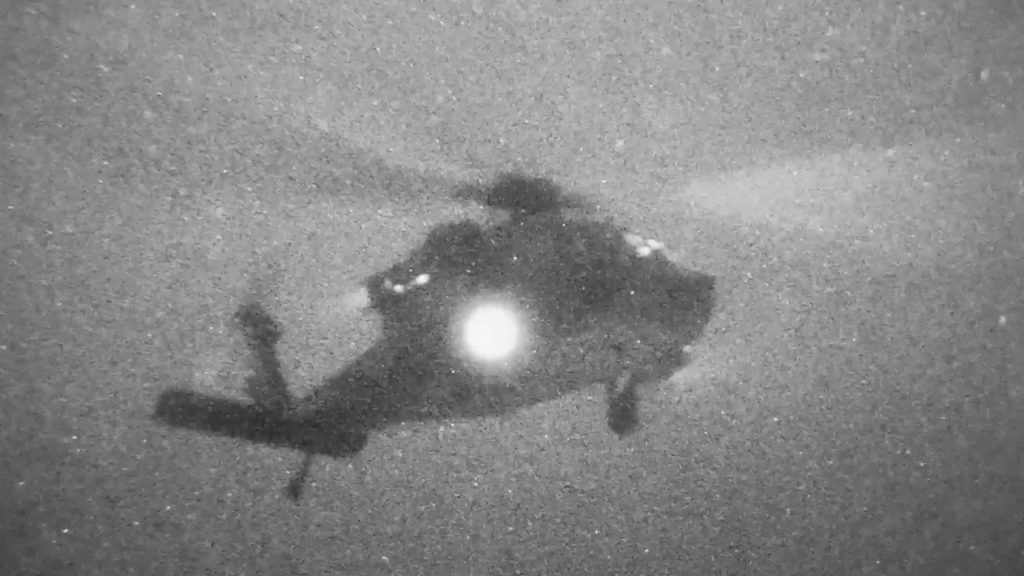
Iran is vowing retaliation after a U.S. naval strike and ship seizure over the weekend, and it’s putting fragile talks on the brink.
U.S. Central Command shared a video of the seizure on X. It shows a U.S. Navy destroyer opening fire on an Iranian-linked cargo ship in the Gulf of Oman.
The ship ignored warnings, so the navy fired into the engine room, disabling it at sea. U.S. Marines then boarded the vessel and took control. It’s now in U.S. custody.
In a post on Truth Social, President Donald Trump said the ship tried to break a U.S. blockade and was stopped “right in its tracks.”
It was the first time since the U.S. implemented its blockade that the U.S. military had been forced to act. Over the weekend, CENTCOM said 23 ships turned around following verbal warnings from the U.S.
Iran is calling the seizure an act of “piracy,” and warned a response is coming.
Where deal talks stand
All of this now puts planned talks in doubt.
U.S. officials are heading to Pakistan for another round of negotiations, but Iran says it has no plans to attend.
The ceasefire is set to expire Wednesday, and the stakes are global.
With the Strait of Hormuz effectively shut down again, oil prices are climbing, with crude jumping sharply as tankers stay out of the waterway.
Wright said gas prices nationally may not drop below $3 a gallon until next year. He noted, however, that prices have “likely peaked.”
“It is not safe now to go through the Strait of Hormuz,” Energy Secretary Chris Wright told CNN. “That is correct.”
As for when the Strait will be safe and open again, Wright said after a deal is reached.
“It won’t be in the too distant future. People are ready to go, ships are there,” he said. “The United States put two warships through the Strait, we can open it one way or the other. But the best way to do it is to have an end to the conflict.”
Ella Rae Greene, Editor In Chief