Tupac Shakur was killed 30 years ago. Will a trial finally solve the mystery of his death?
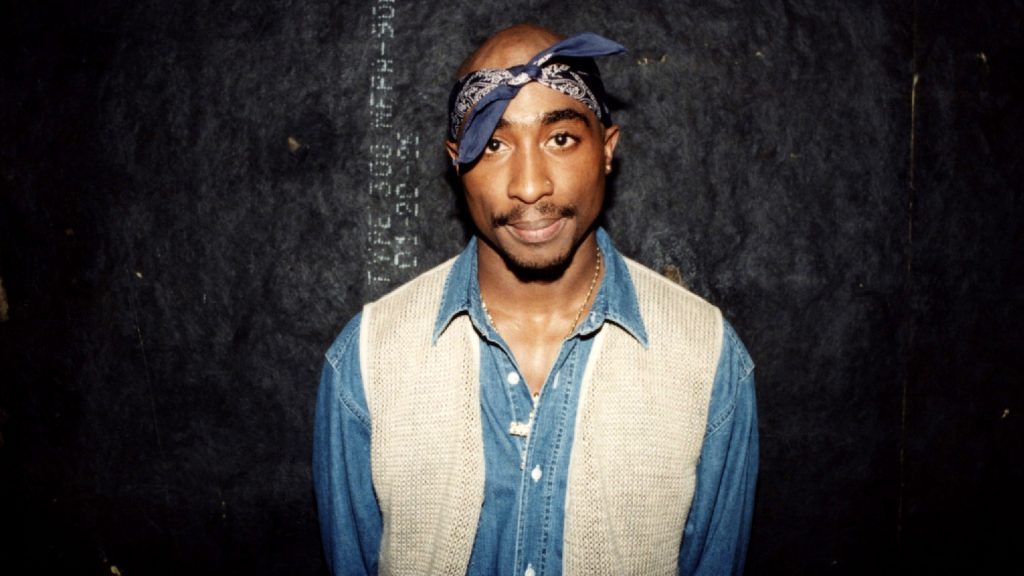
On a warm night in 1996, a white Cadillac cruising the Las Vegas Strip slowed to a crawl, pulling up alongside the car carrying the iconic rapper Tupac Shakur. Gunfire erupted and Shakur was hit multiple times. He died six days later at the age of 25.
At the time, hip hop was ascendant in the culture, but also torn by the violent rivalry between East Coast and West Coast gangs, namely the Bloods and the Crips, as they vied for dominance. The drive-by shooting became one of America’s most enduring mysteries, fueling decades of speculation and conspiracy theories about who was behind the killing and even about whether Shakur actually was dead.
Now, that mystery is headed to a Las Vegas courthouse. On Monday, jury selection will begin in the trial of Duane “Keffe D” Davis, a former member of the Southside Compton Crips and self-proclaimed former “kingpin” of a major drug operation in the Compton neighborhood in Los Angeles.
Davis, 63, faces one count of murder with a deadly weapon. He has pleaded not guilty, and his lawyers say the case against him is weak, based on witnesses who were not present at Shakur’s killing.
If convicted, Davis faces life in prison without the possibility of parole.
The trial represents an unusual challenge for prosecutors: how to prove a murder case when key witnesses are dead and physical evidence could be limited three decades later?
Memoir tells all?
In 2023, Davis was arrested, charged and jailed, nearly 27 years after the shooting. He is the only surviving person from the Cadillac in the Vegas shootout.
Prosecutors allege that Davis orchestrated the drive-by shooting and supplied the gun used to kill Shakur. But defense attorneys argue that the state’s case is built on speculation rather than on solid evidence.
This underscores a legal hurdle for decades-old murder prosecutions. As time passes, witnesses die and recollection fades. Physical evidence can degrade, and investigators usually cannot revisit crime scenes under the conditions that existed at the time of the crime.
This case, however, has a twist: In 2019, the defendant co-wrote a memoir that will likely serve as a roadmap for the prosecution. Davis’ own words may be used against him.
On July 28, the Las Vegas judge, Carli Kierny, allowed prosecutors to introduce a recording of an interview Davis gave to police detectives in 2008. Defense attorneys argued the recording should not be used as evidence, because Davis was told at the time he would not be charged.
“I sang because they promised I would not be prosecuted,” Davis wrote about the interview in his memoir, “Compton Street Legend: Notorious Keffe D’s Street-Level Accounts of Tupac and Biggie Murders, Death Row Origins, Suge Knight, Puffy Combs, and Crooked Cops.”
The judge is also allowing prosecutors to use the memoir during the trial, over the objection of Davis’ attorneys. With so many witnesses to the crime deceased, the book may do more to tie Davis to Shakur’s death than any other evidence.
“You can’t say whatever you want to say without realizing the consequences,” criminal defense attorney Mary Warner, who is not involved in the case, told Straight Arrow. “Why should you have the benefit of telling your story without facing the consequences contained in that story?”
Prosecuting old cases
About 40% of the homicides committed in the U.S. from 1980 to 2016 remain unsolved, by one estimate. Even when arrests are made years — or even decades — after the fact, police and prosecutors face daunting challenges in proving a defendant’s guilt.
They often look to forensic evidence that at the time provided few clues.
“It could be that detectives on a case 15 years ago submitted evidence that came back with no hits, but DNA testing is more sensitive now, so you resubmit the evidence and you get some sort of DNA profile,” Detective Sgt. Jason Moran with the Cook County, Illinois, Sheriff’s Department said at a conference of the International Association of Chiefs of Police.
Identifying investigative errors could also help develop a case, as well as putting together prior testimonies and recorded interviews, Moran said.
In Davis’ case, prosecutors are relying on his own statements — to police and in his memoir — as they try to persuade jurors beyond a reasonable doubt that he’s behind the mystery that has spanned three decades.
Round out your reading
- Why Gen Z is staying home on the weekends.
- Autism research is entering a new era. Here’s what scientists are learning.
- The big reason small cities want data centers. Hint: It’s not permanent jobs.
- High school teacher arrested at city meeting after clapping for anti-data center speech.
- Off Script: Everyone’s watching Michigan. Our reporter explains why the race just changed.
Ella Rae Greene, Editor In Chief