How Car Accident Claims Are Changing in 2026
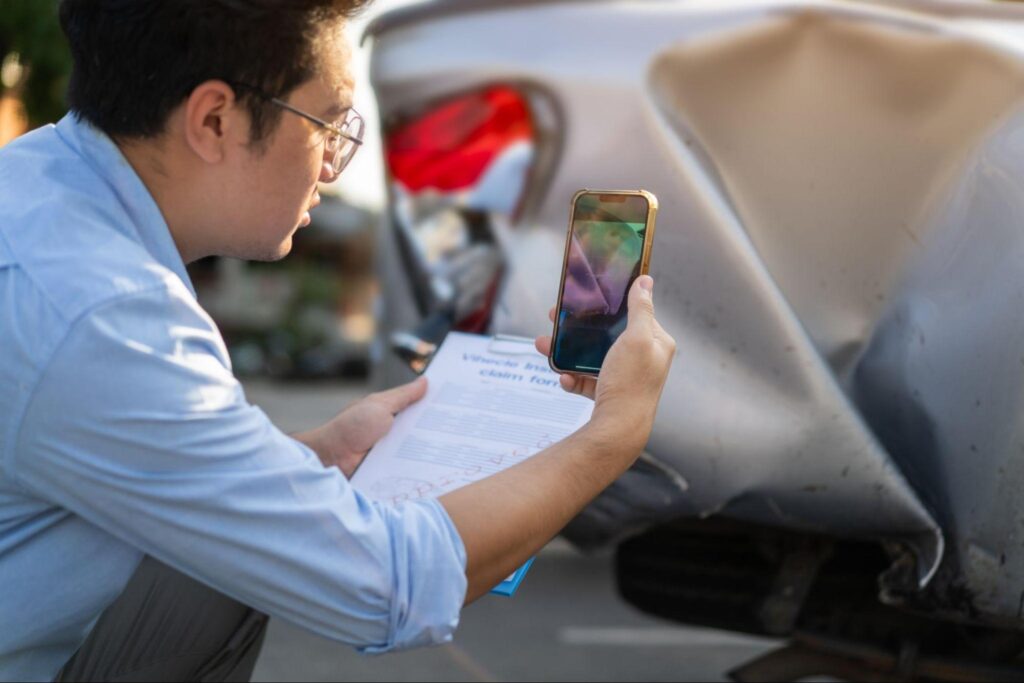
A car accident claim in 2026 looks very different from the process drivers dealt with years ago. Insurance investigations are becoming more detailed, digital evidence is playing a bigger role, and disputes over fault are requiring stronger proof.
For drivers, the challenge often starts after the crash. From documenting the scene to dealing with insurance companies and evaluating settlement offers, the decisions made in the days following an accident can have a major impact on the outcome of a claim.
Why Car Accident Claims Are Becoming More Complicated in 2026
A few years ago, many accident claims followed a predictable path. Drivers exchanged information, reported the collision, worked with insurance providers, and reached a settlement.
Today, the process often involves more factors:
- Increased use of dash cameras, vehicle sensors, and digital records
- More detailed insurance investigations
- Greater disputes over fault and liability
- Rising medical expenses after injuries
- More complex settlement negotiations
Modern vehicles can collect valuable information about a crash, including braking patterns, speed changes, and impact details. While this information can help determine what happened, it can also create challenges when different parties interpret the evidence differently.
Insurance companies also use increasingly detailed review processes to assess claims and determine payouts. For drivers dealing with serious injuries, disputed fault, or complicated insurance negotiations, working with an experienced Dunlap Injury Law car accident lawyer can provide guidance through the claims process and help ensure important evidence and damages are properly considered.
The First Steps After a Collision Can Shape Your Claim
Many drivers focus only on immediate repairs after an accident. However, the actions taken at the scene and in the following days can have a lasting impact.
Here are some important steps to consider after a crash:
1. Document Everything at the Scene
Accident scenes can change quickly. Vehicles may be moved, weather conditions may shift, and important details can become difficult to remember.
If you are able, collect:
- Photos and videos of vehicle damage
- Images of road conditions, traffic signs, and surrounding areas
- Contact information from witnesses
- Insurance details from other drivers
- A copy of the police report when available
Alberta drivers should also check the reporting requirements after a crash. The province’s Report My Collision service allows eligible motorists to submit certain collision reports online, helping create an official record that may be needed during the insurance process.
2. Seek Medical Attention Even If Injuries Seem Minor
Some injuries do not appear immediately after a collision. Whiplash, soft tissue injuries, and other conditions may develop hours or days later.
Medical records provide important documentation connecting injuries to the accident. Delaying treatment can create questions during the claims process and make it harder to demonstrate the impact of the crash.
3. Avoid Discussing Fault Before All Facts Are Known
After an accident, people often apologize or make quick statements out of stress. Even a simple comment like “I should have seen you” can later be taken out of context during an insurance investigation.
Determining responsibility requires reviewing the full situation, including:
- Traffic laws
- Vehicle damage
- Witness statements
- Road conditions
- Available evidence
This is why proving fault in a car accident can become one of the most important parts of a claim.
How to File a Car Accident Claim Without Creating Problems
Many drivers assume filing a claim is simply a matter of calling their insurance provider and describing what happened. In reality, the process requires careful communication and documentation.
To understand how to file a car accident claim, drivers should typically:
- Report the accident to the appropriate insurance company.
- Provide accurate details about the collision.
- Submit supporting documents, including medical records, repair estimates, and evidence from the accident scene.
- Keep records of all conversations with insurers and adjusters.
- Review any settlement offer carefully before accepting.
Insurance adjusters may ask questions designed to determine liability and evaluate the value of the claim. Providing honest information is important, but drivers should avoid guessing, minimizing injuries, or making statements they cannot confirm.
Dealing With Insurance After a Crash Requires Preparation

For many accident victims, the most frustrating part of the process is dealing with insurance after a crash.
Insurance companies have teams of adjusters and legal professionals who handle claims every day. Most drivers only experience this process once or twice in their lives.
Common challenges include:
- Delays in claim decisions
- Disagreements about who caused the accident
- Disputes over injury severity
- Low settlement offers
- Pressure to accept compensation quickly
A first settlement offer may not always reflect the full cost of an accident. Expenses can include medical treatment, lost income, vehicle repairs, rehabilitation, and long-term effects related to injuries.
Taking time to understand the full impact of a collision can prevent drivers from accepting compensation that does not cover their actual losses.
The Car Accident Settlement Process
The car accident settlement process usually involves several stages:
Investigation
Insurance companies review available evidence, including accident reports, photographs, witness statements, medical documentation, and other records.
Liability Assessment
The parties involved determine who may be responsible for the collision. In some cases, fault is straightforward. In others, multiple factors may need to be examined.
Negotiation
Settlement discussions begin once the extent of damages and responsibility are clearer. This stage may involve back-and-forth communication about compensation.
Resolution
A settlement may be reached through negotiation, or the matter may require further legal action if an agreement cannot be reached.
Digital Evidence Is Playing a Bigger Role in Accident Claims
Technology is changing how accidents are investigated.
In 2026, evidence may come from sources such as:
- Dash camera footage
- Vehicle data systems
- Smartphone records
- Surveillance cameras
- Traffic monitoring systems
This information can help clarify disputed events, but it must be properly collected and reviewed. Missing or incomplete evidence can make a claim more difficult to prove.
Drivers should preserve any available evidence after a crash and avoid deleting photos, messages, or recordings related to the accident.
When Should You Get Legal Guidance After a Car Accident?
Not every accident requires legal assistance. Minor collisions with clear responsibility may be resolved through standard insurance procedures.
However, additional guidance may be valuable when:
- Serious injuries are involved
- Fault is disputed
- Multiple vehicles are involved
- Insurance companies deny or undervalue a claim
- Long-term medical treatment is required
- The settlement offered does not reflect the true impact of the accident
A legal professional can help review evidence, explain available options, and communicate with insurers during complex situations.
Protecting Your Rights Starts Before a Claim Becomes Complicated
Car accidents are becoming more complex, but drivers who take informed steps after a collision are in a stronger position.
From collecting evidence and seeking medical care to understanding insurance negotiations and the settlement process, every decision can influence the outcome of a claim.
The most important step after an accident is not rushing into decisions. Take time to understand your rights, gather information, and seek guidance when the situation requires it.
In 2026, being prepared is one of the most valuable tools a driver can have after a crash.
The post How Car Accident Claims Are Changing in 2026 appeared first on BNO News.
Ella Rae Greene, Editor In Chief