Smart glasses users were secretly recording others. Meta says it found a fix
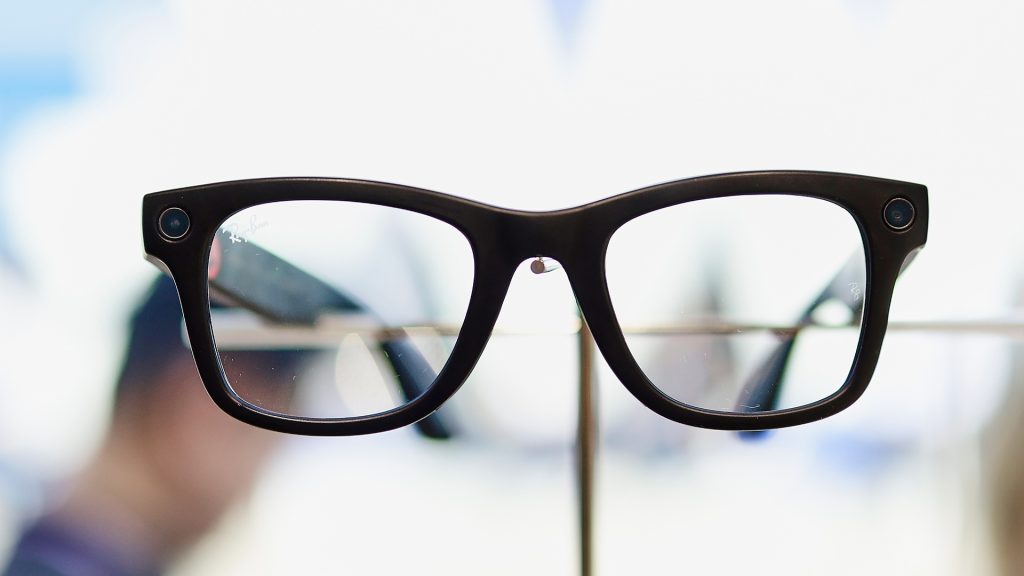
Meta said it has developed a tamper-detection feature for its AI-powered smart glasses to prevent users from secretly recording video of people around them.
In an announcement highlighting frequently asked questions about the smart glasses, Meta responded to concerns about users developing ways to disable the device’s LED light, which indicates it is in record mode.
Meta noted that its smart glasses already become unusable when attempts are made to cover the light, which turns on when recording is in progress to alert those nearby. But a workaround to disable the light was quickly developed last year, leading to a cottage industry of people who offer to remove the privacy-protecting feature for a fee.
Now, Meta said it is aware of those using “sophisticated efforts to modify or destroy the capture LED.”
“We are continuously improving our ability to detect tampering, and now we’re updating the glasses to disable the camera if they detect the LED was physically tampered with or destroyed,” the company said. “No other kind of camera has done this and we’re proud to lead the industry forward.”
It remains unclear when the new feature will be introduced. But Alex Himmel, Meta’s vice president of wearables, told The Verge in June that new privacy safeguards would be included in an update in the coming weeks.
Privacy concerns about smart glasses
The feature comes amid a growing backlash against smart glasses, which have faced repeated controversies in recent months. Many of the controversies center on Meta’s efforts to introduce facial recognition capabilities into its smart glasses.
An internal memo from May of last year, for example, revealed Meta’s plans to introduce facial recognition to its smart glasses at a time when it believes civil liberties organizations will be less likely to push back.
And just last month, Meta secretly added facial recognition code to its AI app, which can be used to control its smart glasses, without informing the public. The code is designed to let users identify people whose biometric data has been stored on the wearer’s phone. Although the feature is not yet active, it stirred further concern among privacy advocates.

More than 70 civil liberties groups called on Meta in April to abandon its plans to bring facial recognition to its smart glasses.
Contractors for Meta in Nairobi, Kenya, also revealed this year that they were able to see smart glasses wearers doing everything from going to the bathroom to having sex after being tasked with reviewing footage collected by those using the device’s “Live AI” feature.
An independent smartphone app was also developed in February to alert users when smart glasses are detected nearby, highlighting the public’s increased wariness around the technology.
Round out your reading
- Scientists are now eyeing a possible ‘Mega El Niño’.
- Critics mocked Mamdani’s AC request. Republicans made the same ask.
- Social Security was supposed to be a safety net. To young Americans, it’s a broken promise.
- What happens when the water dries up? Much of the American West is close to finding out.
- Political insiders are targeting the two-party system’s grip on America.
Ella Rae Greene, Editor In Chief