Sunscreen doesn’t cause skin cancer — despite what social media shows you
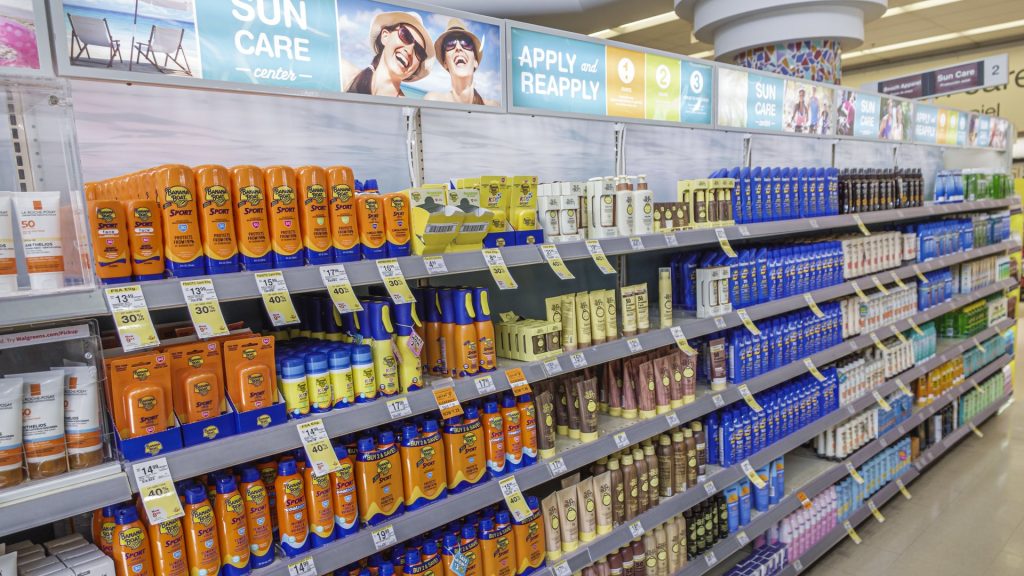
A false claim about sunscreen is making the rounds on social media, and it’s all based on a study some people have misinterpreted.
You may have seen the posts on X or Facebook, saying that a study shows that sunscreen is linked to a higher risk of skin cancer. They commonly cite a study published in November 2023, that looked at “specific gene–environment interactions in at-risk individuals” for skin cancers and sun exposure.
A clinical analysis based on a UK Biobank cohort of people both with and without skin cancer ultimately identified darker skin and hair colors as “protective factors.”
It includes a line that says: “Surprisingly at first, frequent use of sunscreen was greatly associated” with skin cancers.
But, unlike what the social media posts say, this isn’t because of the sunscreen itself. Researchers from the study say this is actually explained by the fact that people who used sunscreen were more likely to be in the sun, and naturally, had “greater exposure to UV light and/or a lack of reapplication of sunscreen throughout the day.”
In addition, people increased their use of sun protection after being diagnosed with skin cancer.
“Collectively, however, these findings demonstrate the importance of adequate and frequent sunscreen use and minimization of exposure to UV light, particularly in individuals with fair skin,” researchers said.
In an email to Reuters, senior study author Dr. Ivan Litvinov, a dermatology researcher at McGill University, addressed the “sunscreen paradox.”
Some sunscreen users, Litvinov explained, “spend more time in the sun without employing other protective measures, leading to increased tanning and sunburn, while having a false sense of protection.”
“The proper use of sunscreen, combined with other sun-protection measures, reduces the risk of skin cancer,” Litvinov said.
So in short: sunscreen will protect you from skin cancer — but you need to reapply and take other actions, too, including wearing protective clothing.
Misinformation gets more likes
Another study published last month in PLOS Digital Health that analyzed 971 TikTok videos on sunscreen found that most of them promoted its use. Only a small fraction contained critiques, and even fewer said sunscreen causes harm or prevents health benefits.
Still, the sunscreen-critical videos garnered “significantly higher engagement in likes, shares and comments” compared to those promoting it.
“This suggests that critical or contrarian content may attract disproportionate attention even when not widely represented,” researchers said. Overall, the dominant narrative on TikTok promotes sunscreen use, and widespread misinformation does not appear prevalent among the platform’s most visible content. Therefore, sunscreen misinformation on TikTok constitutes an area of concern not for the total sum of overarching influence in terms of content production but rather in how strongly some sunscreen misinformation ideas resonated among particular audiences.”
Round out your reading
- America at 250: Straight Arrow’s week-long look at the pressures testing modern America.
- Ketamine is booming in America. The reasons go beyond drugs.
- Cluster of AI news sites suddenly goes dark after human reporter starts asking questions.
- A 79-year-old, obese, well-connected man gained exclusive access to a new weight loss drug. Is it Trump?
- Newsom pushes national wealth tax after opposing California billionaire tax.
Ella Rae Greene, Editor In Chief