More pets go missing on July 4 than any other day. AI might be able to help
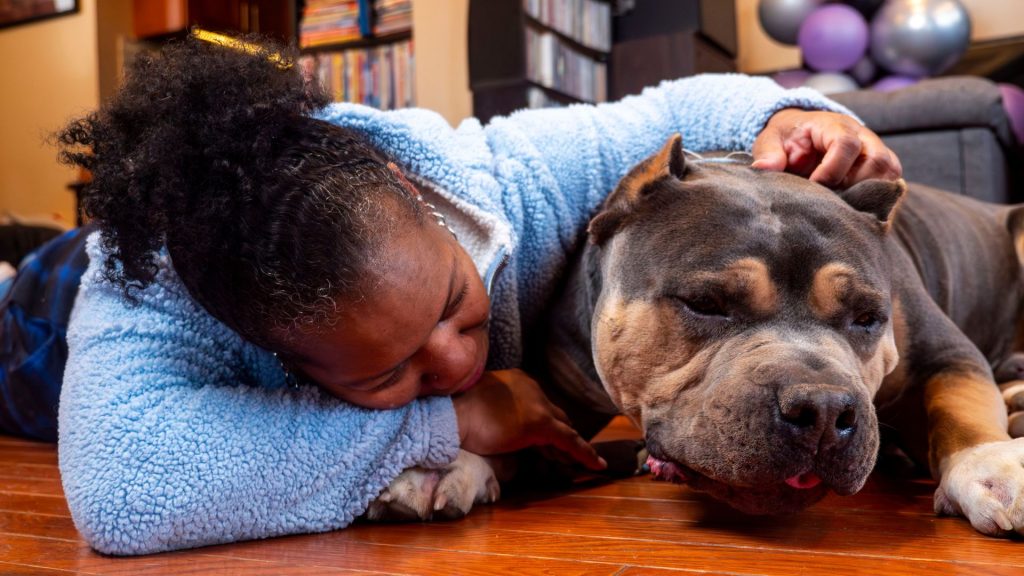
When Kamala walked into her Philadelphia home, she noticed something was wrong. Her 4-year-old dog, Max, wasn’t greeting her and after taking a closer look, she noticed he wasn’t home at all.
According to Petco, one of Kamala’s landscapers had left the backyard gate unlatched, and Max had run off. She drove to the animal shelter, hoping someone had already found Max, but no one had. On her way home, she looked for other ways to search for her dog and found Petco Love Lost, a system that uses artificial intelligence to track lost and found pets. She made an account for Max and almost immediately found a match.
Just a few blocks away, Kamala’s neighbors had seen Max running loose, brought him into their yard and posted a found-pet profile of their own. The system matched the two listings, and Max was back home within a few hours.
Stories like Max’s tend to cluster around one date: the Fourth of July. Fireworks, crowds and unfamiliar noise send more pets bolting from home during the holiday than any other time of the year.
Petco Love, an animal welfare nonprofit, told Straight Arrow usage of their app surges around July 4.
“The third to the sixth is usually where we see our big spike — it’s the largest, busiest time of year, unfortunately, for us,” said Aaron Klein, the company’s chief product officer. “If you look at New Year’s, I’d say it’s probably [about 70%] of that — it’s a pretty big spike, but not nearly as big as Fourth of July.”
How the tech works
Petco Love Lost is a free database run by the retailer’s nonprofit. The database pulls in reports from more than 3,500 partner shelters, as well as Nextdoor and Ring. Klein said there were about a quarter of a million lost-and-found pets in the system at any given time.
Instead of making users scroll through listings, an AI model compares photos for similarity. Klein said it checks for similar patterns, eye color and specific markings. But for cats, it can get even more precise, searching for the way the cat’s hair grows inside its ears.
“We’ve noticed the model’s getting really good at identifying cats that way, because cats often have fewer unique markers than dogs,” Klein told Straight Arrow. “So our model starts really getting good at understanding coat type and ear hair type.”
Klein said the system can correctly identify a match in the very first result 88% of the time.
Animal welfare groups say tools like this are a real step forward, but not a substitute for the basics.
“AI is a valuable tool that can help reunite lost pets with their families more quickly,” said Marc Peralta, chief program officer at Best Friends Animal Society.
Still, “AI is an enhancement tool, not a replacement for proven reunification methods,” like microchips and ID tags, Peralta said. Klein agreed but told Straight Arrow that only 30% of animals are wearing their tags when they’re found.
Petco isn’t the only company using AI to search for lost pets. Best Friends is actually partnered with Ring’s Search Party, a different company.
Prepare before it happens
Klein emphasized that while Petco Love Lost works well, it works even better when the owner prepares for the possibility that their pets run off. His advice heading into the holidays is to get microchips registered with the latest contact information, keep tags on and set up a lost-pet profile in advance.
“You’re going to be able to take better pictures of your pet when you’re in a calm environment, rather than stressing and scrolling through 10,000 photos on your phone trying to find the right one,” Klein told Straight Arrow.
Max is back home with Kamala tonight, thanks to the efforts of an emerging tech and a helpful neighbor. It’s the kind of outcome Peralta described as the goal — technology and community working together.
Round out your reading
- America at 250: Straight Arrow’s week-long look at the pressures testing modern America.
- Ketamine is booming in America. The reasons go beyond drugs.
- Cluster of AI news sites suddenly goes dark after human reporter starts asking questions.
- A 79-year-old, obese, well-connected man gained exclusive access to a new weight loss drug. Is it Trump?
- Newsom pushes national wealth tax after opposing California billionaire tax.
Ella Rae Greene, Editor In Chief