As officials track a foodborne parasite tied to explosive diarrhea, answers remain elusive
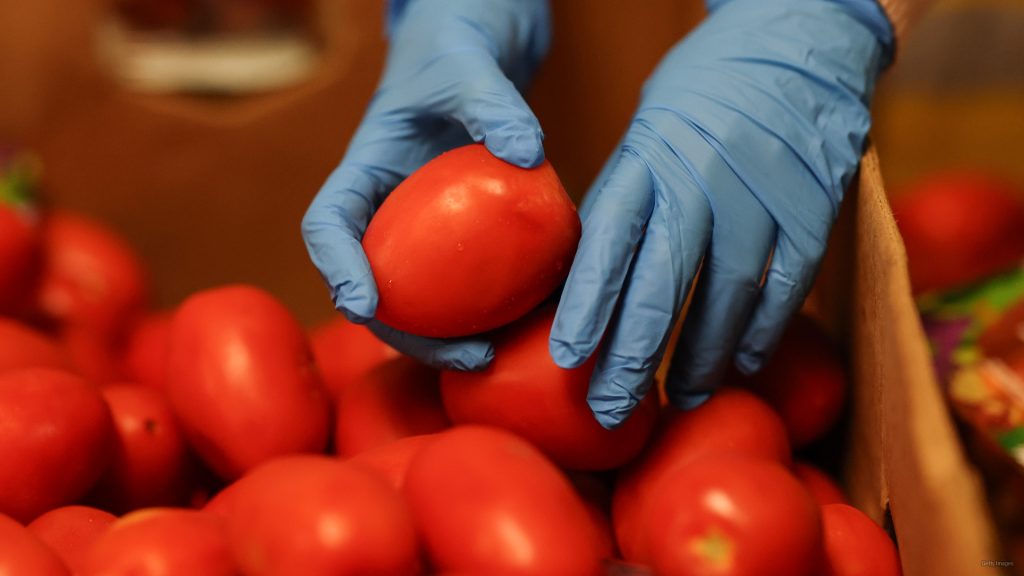
State and federal health officials are investigating a rise in cases of cyclosporiasis, a foodborne parasitic illness that can cause severe, sometimes explosive diarrhea.
The CDC has identified 145 cases across 17 states among people who became infected in the U.S. between May 1 and June 16, along with 45 infections linked to recent international travel. Twenty people have been hospitalized, but no deaths have been reported. Patients range in age from 5 to 86 years old.
Those national figures do not yet include Michigan’s rapidly growing outbreak. The state’s Department of Health and Human Services reported Wednesday that more than 170 cases were identified in nine days across several counties, far exceeding the state’s typical annual total of roughly 50 cases. That nine-day period began nearly a week after the CDC published its June 16 case count. Investigators are working to determine whether patients share a common source of exposure.
Although the cyclosporiasis cases have drawn widespread attention, the parasite is not a new public health concern. Infections occur every year across the country and typically rise between May and August as Americans eat more fresh produce. However, the number of reported cases has risen substantially over the past decade, climbing from fewer than 600 cases in 2016 to more than 4,700 in 2019, according to CDC data.
While earlier U.S. cases were most often linked to international travel or imported produce, investigators have increasingly identified the parasite on domestically grown produce in recent years. Last year, the CDC recorded more than 1,000 locally acquired cases.
What is cyclosporiasis?
Cyclosporiasis is an intestinal illness caused by the Cyclospora parasite. People typically become infected after consuming contaminated water or food, namely fresh produce.
Unlike many other gastrointestinal illnesses, cyclospora is generally not spread directly from person to person,because the parasite must mature in the environment for several days to weeks before it can infect someone else.
Symptoms usually begin about a week after exposure and commonly include watery diarrhea, abdominal cramping, bloating, nausea, fatigue, loss of appetite and weight loss. Some patients describe the diarrhea as sudden or explosive.
The illness is rarely life-threatening, and can be treated with antibiotics. However, symptoms can persist for weeks or even relapse if left untreated. Though cyclospora infections are relatively uncommon in the U.S., the parasite is endemic in many tropical, developing countries around the world.
Elusive sources
Health officials have not yet identified the source of the current illnesses. The Food and Drug Administration (FDA) is working with the CDC and state health departments to interview patients, trace where they purchased food and collect samples as investigators search for a common source.
At this time, officials say there is no evidence that all reported illnesses stem from a single contaminated food. Instead, the CDC said it is investigating several clusters occurring simultaneously in multiple states and other sporadic cases that may be unrelated.
Historically, U.S. outbreaks have been linked to fresh produce including cilantro, basil, leafy greens, salad mixes and berries. But unlike many foodborne outbreaks, cyclosporiasis investigations often end without a definitive answer.
One reason is timing. Symptoms typically do not appear until about a week after someone eats contaminated food. By then, patients may struggle to remember exactly what they ate, grocery receipts may be gone, and leftovers may have been discarded and no longer available for testing.
Health officials recommend washing fresh fruits and vegetables, practicing good hand hygiene and seeking medical care if diarrhea persists for several days or is accompanied by severe dehydration.
Round out your reading
- America at 250: Straight Arrow’s week-long look at the pressures testing modern America.
- Ketamine is booming in America. The reasons go beyond drugs.
- Cluster of AI news sites suddenly goes dark after human reporter starts asking questions.
- A 79-year-old, obese, well-connected man gained exclusive access to a new weight loss drug. Is it Trump?
- Newsom pushes national wealth tax after opposing California billionaire tax.
Ella Rae Greene, Editor In Chief